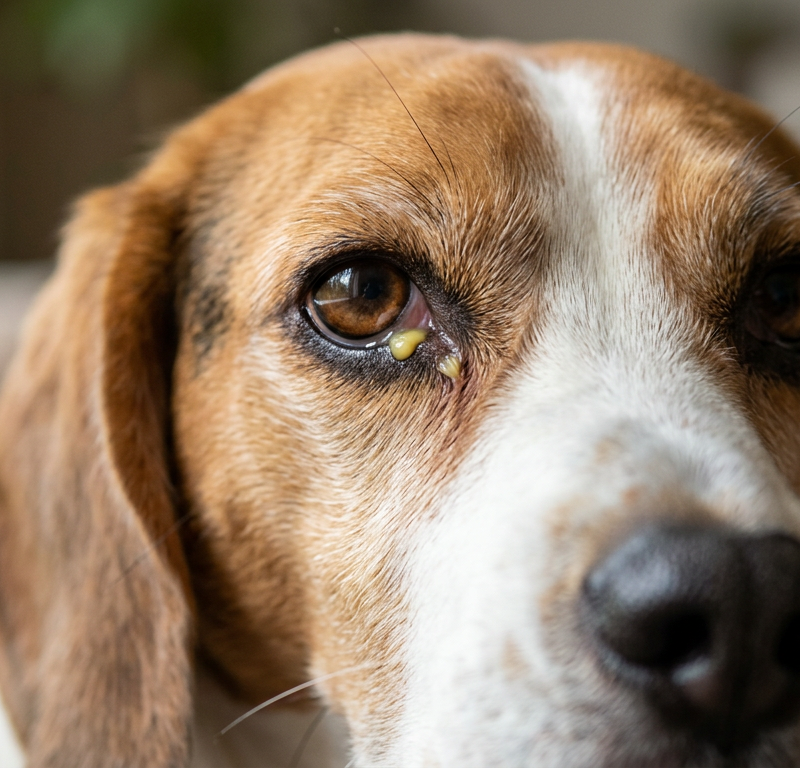
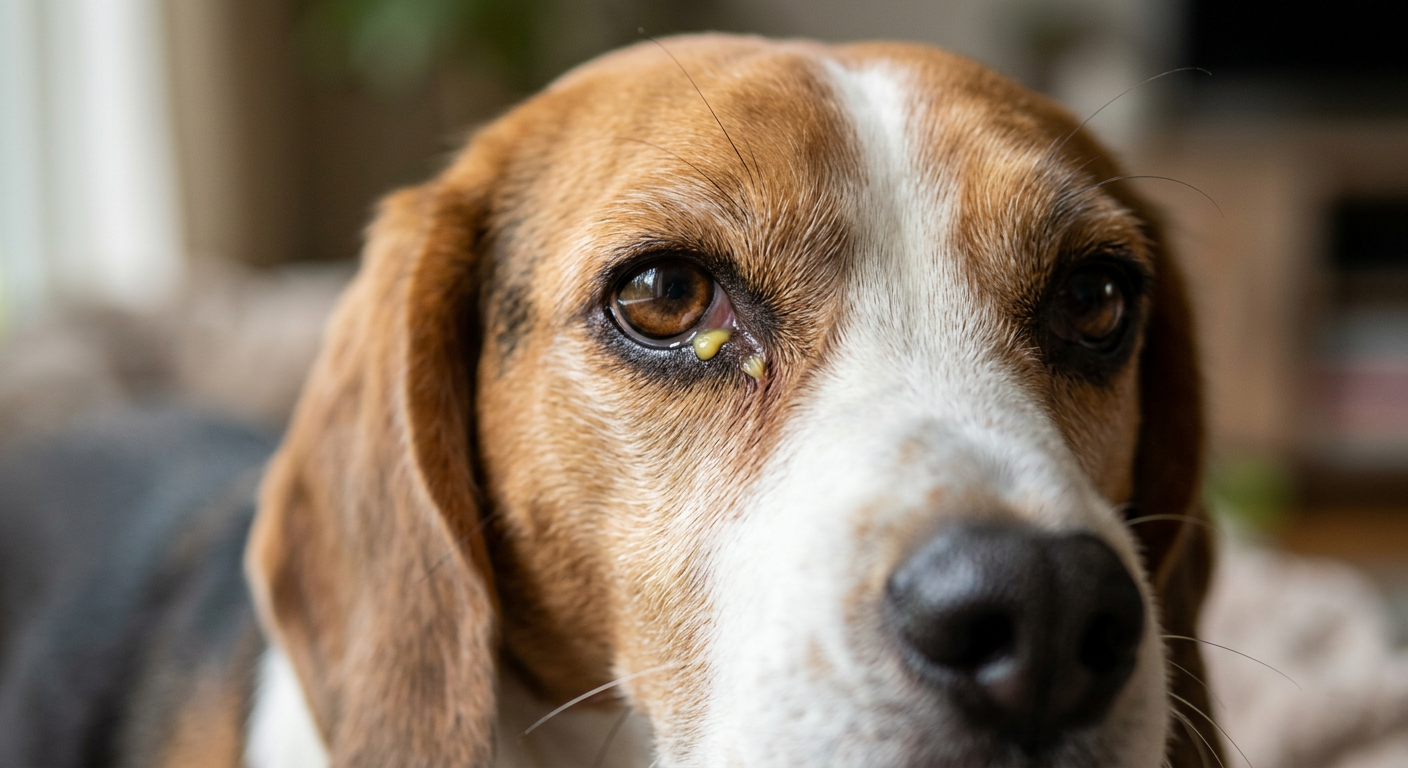
Noticing that your dog has yellow discharge from one eye only can be a bit concerning for any pet parent. While a small amount of "sleep" or clear crustiness in the morning is often normal, a colorful discharge usually signals that the eye is reacting to an external or internal stimulus. Understanding why this happens is the first step toward helping your furry friend feel comfortable again.
The eyes are among the most sensitive organs in a dog's body. When one eye begins producing thick, yellow, or greenish fluid while the other remains clear, it typically suggests a localized issue rather than a systemic illness. By observing your dog's behavior and the specific appearance of the eye, you can provide your veterinarian with the details they need for a quick diagnosis.
Common Causes of Eye Discharge in Dogs
When a dog has yellow discharge from one eye only, the most frequent culprit is a bacterial infection, often referred to as conjunctivitis. This occurs when bacteria irritate the lining of the eyelid, leading to inflammation and the production of mucus. Because the issue is limited to one side, it may have started with a small scratch or a piece of debris getting trapped under the lid.
Dry eye, or Keratoconjunctivitis Sicca (KCS), is another common wellness consideration. If a dog's eye doesn't produce enough tears to stay lubricated, the body may overcompensate by producing thick mucus. This mucus often collects in the corner of the eye and can appear yellow or cloudy. Breeds like the French Bulldog or Shih Tzu are sometimes more prone to these types of surface irritations due to their eye shape.
Environmental Irritants and Allergies
While allergies often affect both eyes, a localized irritant like a seed, dust, or a blade of grass can cause one-sided discharge. If your dog was recently running through tall brush or digging in the garden, a foreign object might be hiding beneath the eyelid. This constant scratching against the cornea can lead to secondary infections that produce a yellow tint.
Physical Trauma or Scratches
A corneal ulcer is a more serious cause of unilateral discharge. This happens when the clear surface of the eye is scratched by a branch, a cat claw, or even prickly hair. Because an ulcer is uncomfortable, you might notice your dog squinting or rubbing their face against the carpet. In some cases, you might also see a dog keeping one eye closed even if they aren't actively squinting.
Identifying the Types of Eye Secretions
Not all eye "goop" is created equal. Recognizing the difference between normal tearing and a potential health issue is vital for proactive care. Most healthy dogs produce a clear, watery discharge that dries into a dark brown or reddish crust. This is simply the result of tears reacting with oxygen and is usually nothing to worry about.
However, when the discharge becomes thick and opaque, it is time to pay closer attention. Yellow or green fluid is often a sign of white blood cells rushing to the area to fight off an intruder. If the discharge is accompanied by redness in the "whites" of the eyes or a cloudy appearance over the iris, it is a clear signal to seek professional advice.
- Clear/Watery: Usually allergies or mild irritation.
- Gray/Mucus-like: Often associated with dry eye or chronic irritation.
- Yellow/Green: Suggests a bacterial presence or more significant infection.
- Bloody: Indicates trauma and requires immediate veterinary attention.
When to See a Veterinarian
Eye issues can progress quickly, so early intervention is always the best approach. If your dog has yellow discharge from one eye only for more than 24 hours, a vet visit is recommended. They will likely perform a fluorescein stain test, which involves putting a harmless glowing dye in the eye to check for hidden scratches or ulcers.
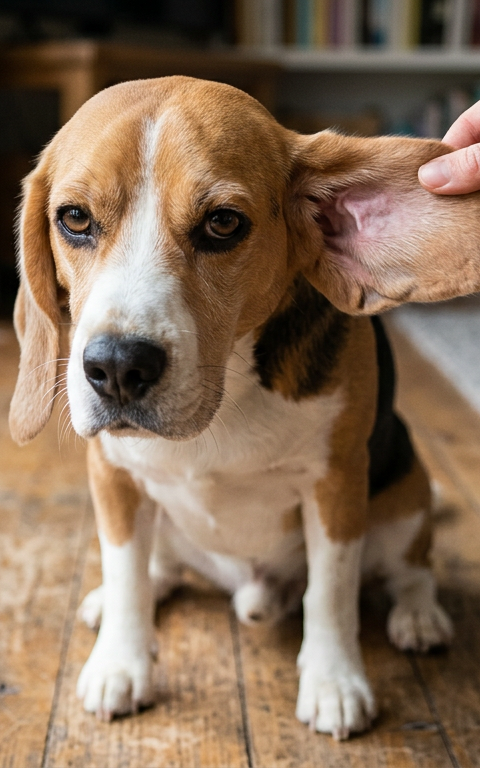
You should also watch for behavioral changes. If your dog is pawing at their eye persistently, it can cause more damage to the delicate tissues. Other signs that require a professional look include swelling of the eyelids, a noticeable change in eye color, or if your dog seems sensitive to bright light. Proactive care ensures that a simple infection doesn't turn into a more complex condition.
Home Care and Comfort Measures
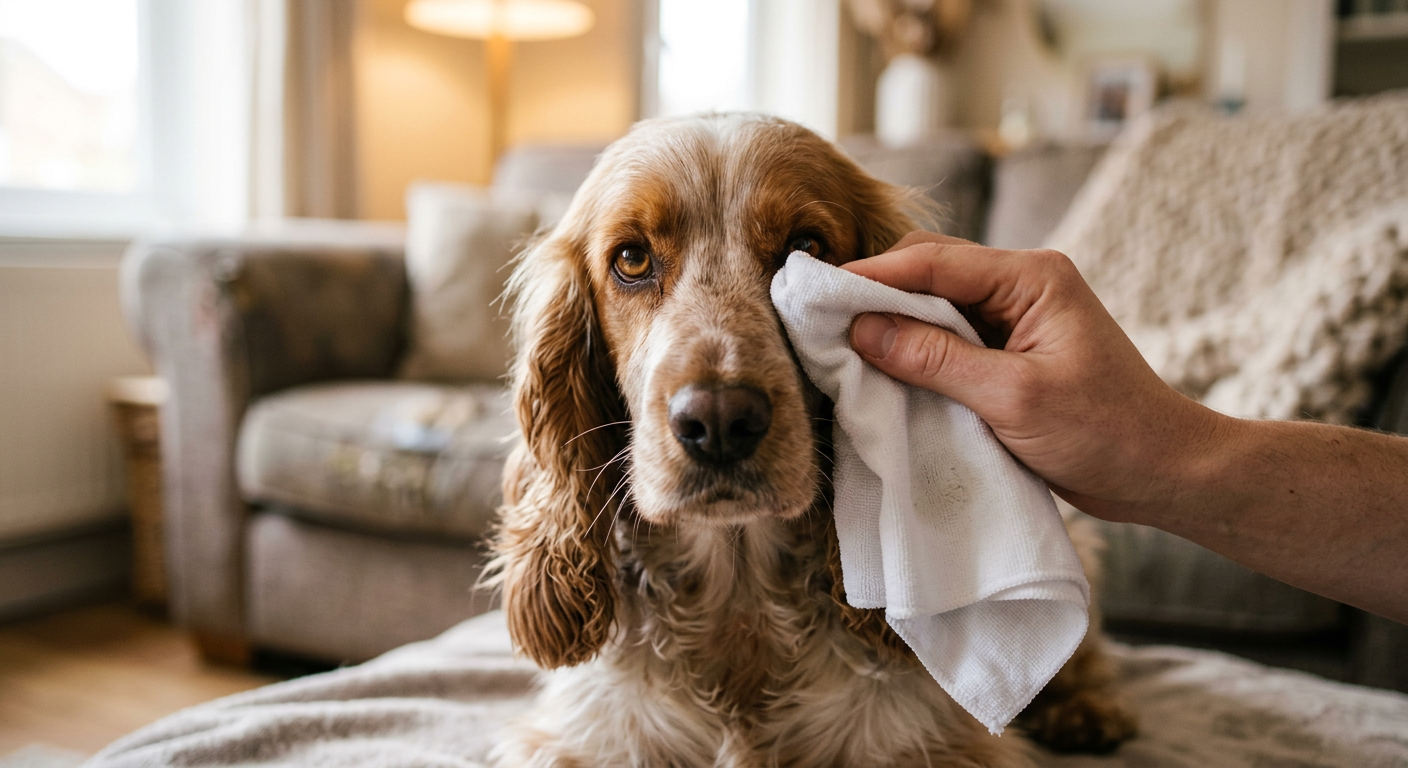
While waiting for your veterinary appointment, you can help keep your dog comfortable at home. Use a soft, clean cloth dampened with lukewarm water to gently wipe away the yellow buildup. Always wipe from the inner corner of the eye outward to avoid spreading the discharge across the surface of the eye.
Avoid using human eye drops or "redness relief" formulas on your dog. Many of these contain ingredients that can be harmful to canine eyes or may mask symptoms of a deeper problem. If you have multiple pets, try to keep them from licking each other’s faces, as this can introduce more bacteria to the sensitive area.
For owners of active breeds, such as a German Shepherd or Labrador Retriever, checking eyes after a hike is a great habit. Simply looking for redness or debris can help you catch small issues before they lead to significant discharge.
Preventing Future Eye Issues
Maintaining long-term eye health involves a few simple lifestyle adjustments. For dogs with long facial hair, keeping the fur around the eyes trimmed can prevent "poke" injuries and reduce the buildup of bacteria. Using a damp cloth to clean the face after outdoor play can also remove pollen and dust that might cause irritation.
Nutrition also plays a role in overall wellness. Vitamins A and C support ocular health, so ensure your dog is eating a high-quality, balanced diet. If your dog is prone to dry eyes, your vet might recommend specific lubricating drops to use as a preventative measure during dry winter months or high-pollen seasons.
Conclusion
Seeing that your dog has yellow discharge from one eye only can be a helpful early warning sign from their immune system. Whether it is a minor scratch or a common case of conjunctivitis, most eye issues are very manageable when caught early. By staying observant and working closely with your veterinarian, you can ensure your dog's vision remains clear and their eyes stay bright and healthy for years to come.