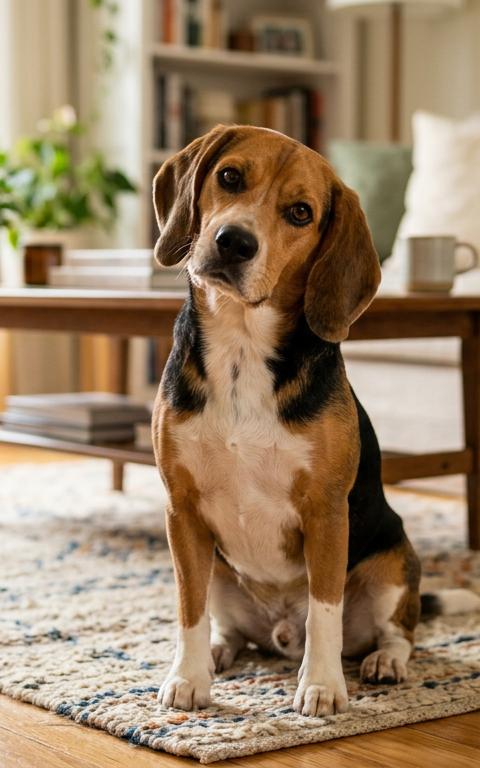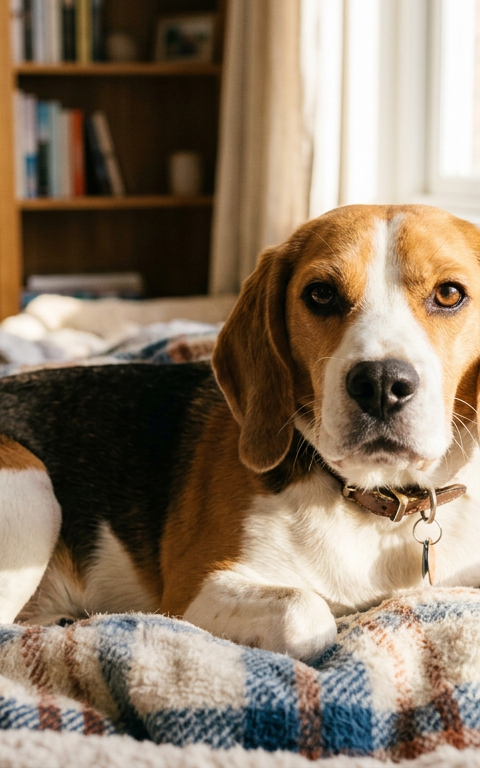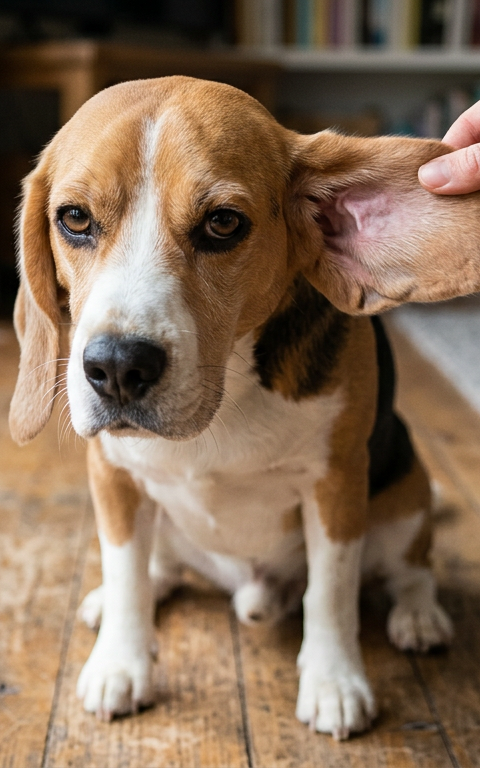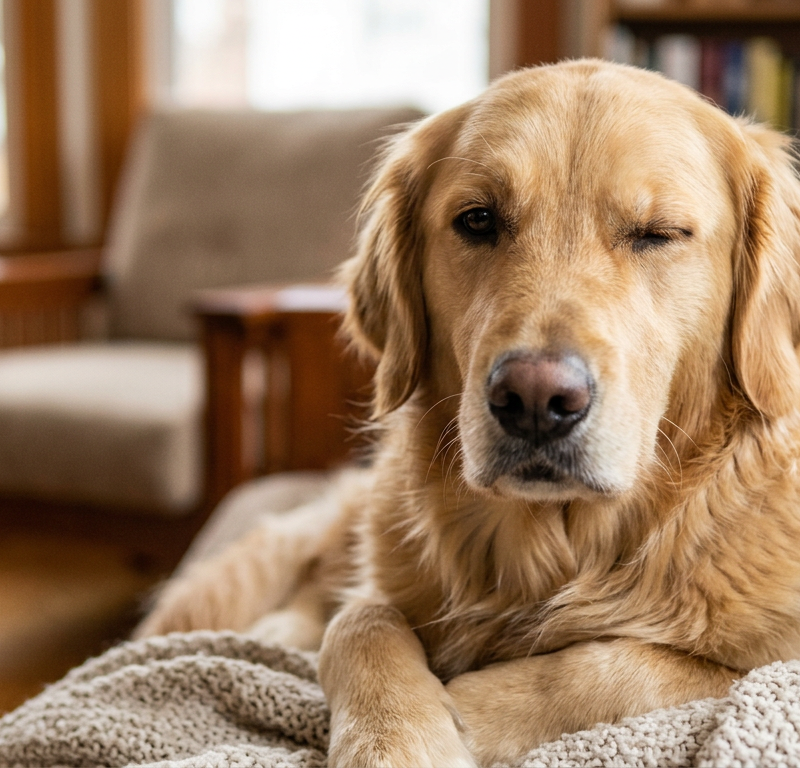
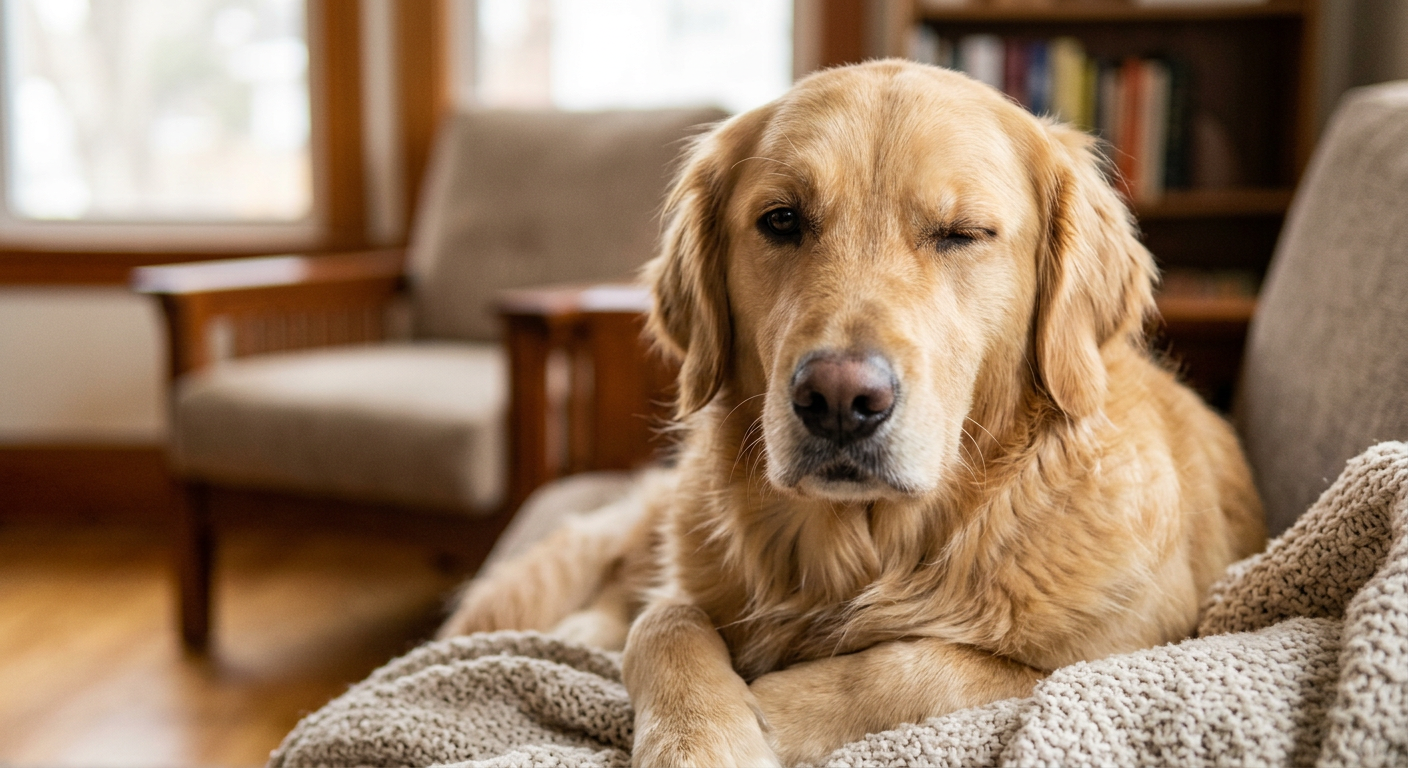
Observing your canine companion is one of the most rewarding parts of being a pet owner, but it can also lead to questions when you notice a change in their behavior. One specific behavior that often puzzles owners is when they see a dog keeping one eye closed but not squinting. While we often associate eye discomfort with active blinking or squinting, a fully closed eye suggests a different level of intentionality or physical sensation for your pet.
When a dog chooses to keep one eye shut while the other remains perfectly alert and open, it typically indicates that the eye is experiencing some form of irritation or environmental sensitivity. Unlike squinting, which is a semi-closed state often caused by bright light or mild dust, a completely closed lid serves as a protective barrier. Understanding the nuances of this behavior helps you provide the best proactive care for your furry friend.
Monitoring your dog’s ocular wellness is essential because eyes are highly sensitive organs. If you notice this behavior persisting for more than a few hours, it is always best to consult your veterinarian. They can perform a professional exam to ensure your dog’s vision remains clear and comfortable.
Possible Causes for a Dog Keeping One Eye Closed
There are several reasons why a dog keeping one eye closed but not squinting might occur. One common factor is the presence of a foreign object. Even a tiny seed, a blade of grass, or a stray hair lodged under the eyelid can cause enough discomfort for the dog to keep the eye shut to prevent further friction.
Corneal abrasions are another wellness consideration. These are tiny scratches on the surface of the eye that can happen during play or while running through brush. Because the cornea is packed with nerve endings, the dog naturally keeps the lid closed to protect the sensitive area from air and light. This protective reflex is often more pronounced than simple squinting.
Environmental Irritants and Allergies
Just like humans, dogs can react to environmental triggers. Pollen, household cleaners, or even strong perfumes can irritate the ocular surface. If your dog has been playing outside during high pollen counts, they might keep one eye shut as a response to localized inflammation. This is often accompanied by slight redness or clear discharge.
In some cases, the household environment plays a role. If you have recently used carpet powders or aerosol sprays, your dog may be reacting to these particles. Providing a clean, dust-free environment is a great way to support their overall eye health. You can learn more about breed-specific sensitivities in our wellness guides.
Distinguishing Between Squinting and a Closed Eye
It is important to differentiate between squinting and a dog keeping one eye closed but not squinting. Squinting, or blepharospasm, is often a rapid fluttering of the lids or a semi-closed position. It usually suggests that the dog is trying to see through the discomfort or is being affected by bright light levels.
When the eye is fully closed but the dog appears otherwise calm, it indicates a focused need for protection. This "guarded" eye behavior is a physiological response designed to stop the eyeball from moving against an irritant. It is a more passive state than active squinting, which involves the facial muscles more intensely.
The Role of the Third Eyelid
Dogs possess a third eyelid, known as the nictitating membrane, which sits in the inner corner of the eye. Sometimes, when a dog keeps an eye closed, this membrane might be slightly raised underneath. This serves as an extra layer of protection and lubrication. If you gently lift the lid and see a pale or pinkish tissue covering part of the eye, that is the third eyelid doing its job.
Recognizing Signs of Ocular Discomfort
While a dog keeping one eye closed but not squinting is the primary sign, there are other subtle cues to look for. Check for any changes in the color of the "white" part of the eye, known as the sclera. If it appears pink or bloodshot, it indicates increased blood flow to the area, which is a natural response to irritation.
Note the type of discharge present. A small amount of clear "tearing" is often just the eye's way of trying to flush out a speck of dust. However, if the discharge becomes thick, yellow, or green, it is time to seek professional veterinary advice. Keeping a log of these changes can be very helpful for your vet during an exam.
Behavioral Changes to Watch For
A dog experiencing eye sensitivity might change their daily habits. They may be more hesitant to jump off the sofa or navigate dark hallways because their depth perception is slightly altered when using only one eye. You might also notice them pawing at their face or rubbing their head against the furniture to find relief.
If your dog is a more active breed, such as a Border Collie, they might seem unusually subdued. When a dog's vision is compromised, they often prioritize rest over play. This is a normal way for them to manage their energy while their body focuses on recovery.
Proactive Care and Gentle First Aid
If you notice your dog keeping one eye closed but not squinting, you can start with some gentle home observations. If your dog allows it, carefully look at the eye in a well-lit room. Do not force the eye open if they seem resistant, as this could cause stress or further irritation.
You can use a soft, damp cloth with lukewarm water to gently wipe away any crustiness or discharge from the outside of the lids. Always wipe from the inner corner outward. Avoid using any human eye drops or medications unless specifically directed by a veterinarian, as some ingredients can be harmful to canine eyes.
When to Call the Veterinarian
Proactive care involves knowing when professional help is necessary. If the dog keeping one eye closed but not squinting behavior lasts longer than 24 hours, or if you notice the eye looks cloudy or bluish, call your vet immediately. Ocular issues can progress quickly, and early intervention is the best way to ensure a positive outcome.
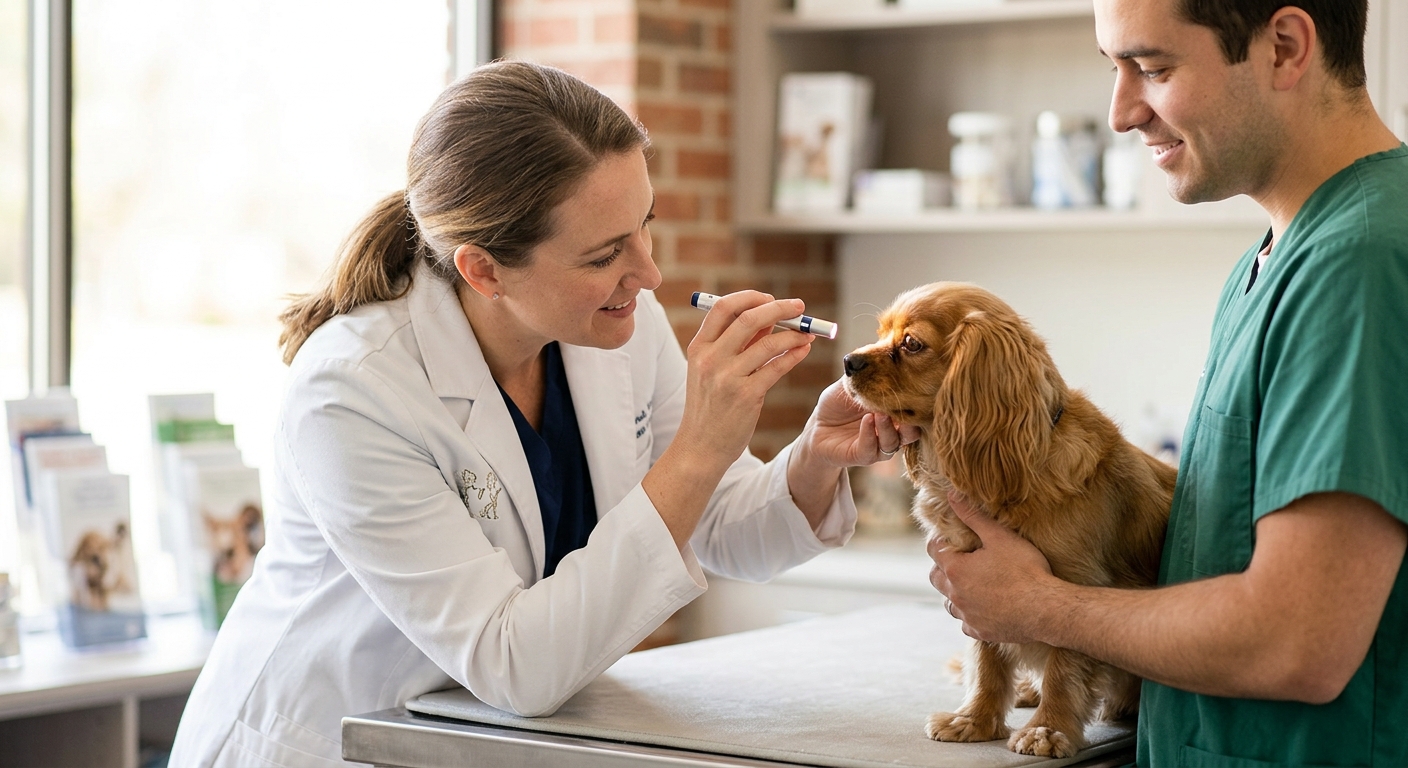
Veterinarians use specialized tools like a slit lamp or fluorescein stain to check for tiny scratches that aren't visible to the naked eye. These tests are quick and painless for your pet but provide essential information for a correct diagnosis. Regular wellness checkups are especially important for breeds prone to eye issues, such as the French Bulldog.
Maintaining Long-Term Eye Health
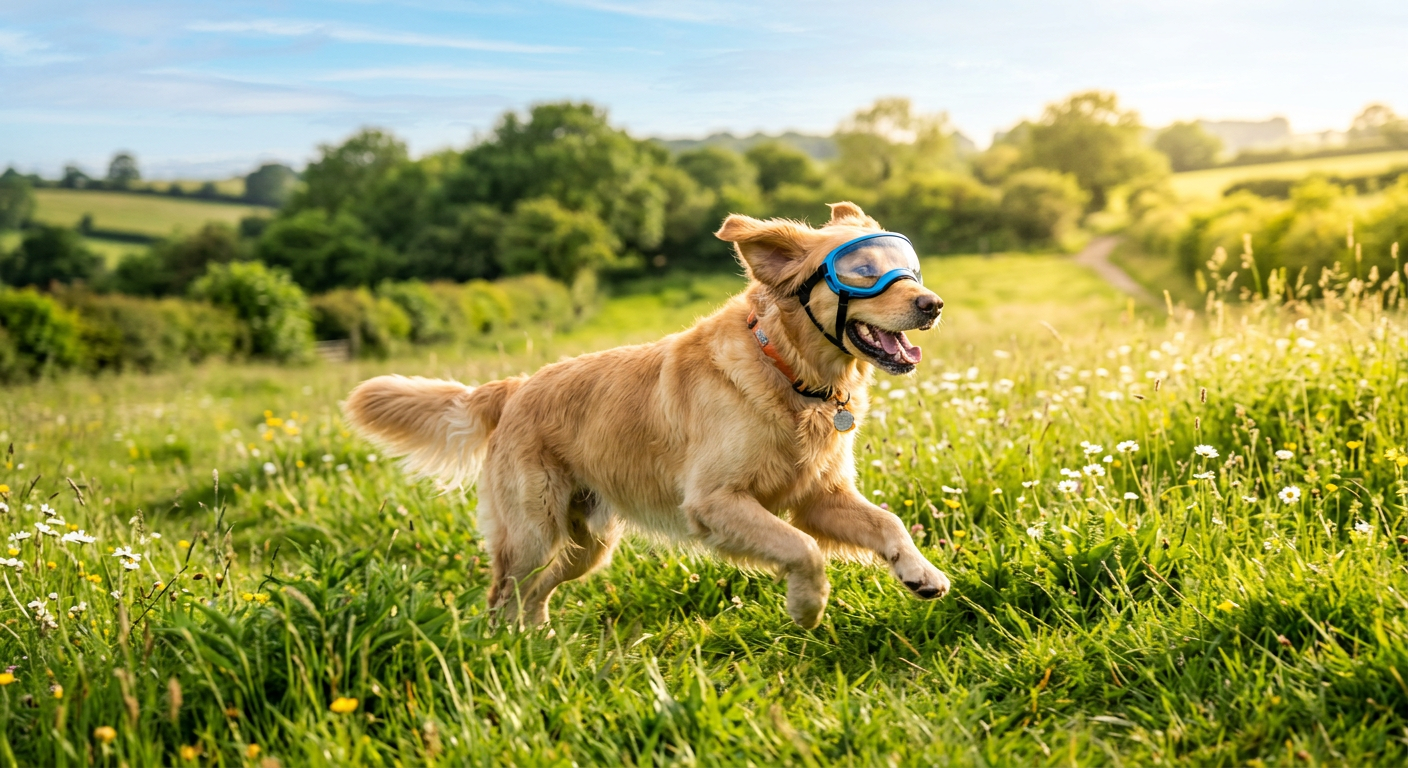
Supporting your dog's eye health is a lifelong commitment. High-quality nutrition rich in antioxidants like Vitamin A and Lutein can support retinal health. Many pet owners also use dog-safe goggles if their pets enjoy sticking their heads out of car windows, which prevents "dry eye" and physical impacts from bugs or debris.
Regularly trimming the hair around your dog’s eyes can also prevent irritation. Breeds with long facial hair often suffer from trichiasis, where hairs poke into the eye. Keeping this area tidy ensures that no stray fur causes your dog to keep their eye closed unnecessarily.
Summary of Wellness Observations
Finding your dog keeping one eye closed but not squinting is a sign that they need a little extra attention. By staying calm and observing their symptoms closely, you can act as an advocate for their comfort. Most minor irritations resolve quickly with professional care and a little bit of rest.
Remember that your dog relies on you to notice these small shifts in their physical state. Whether it's a simple case of dust or a minor scratch, your quick response ensures they stay happy, healthy, and ready for their next adventure. For more tips on caring for your pet through every stage of life, explore our other blog resources.