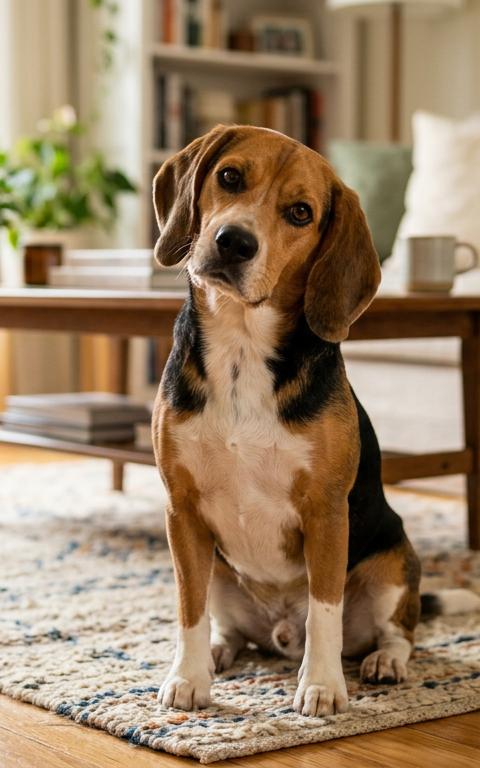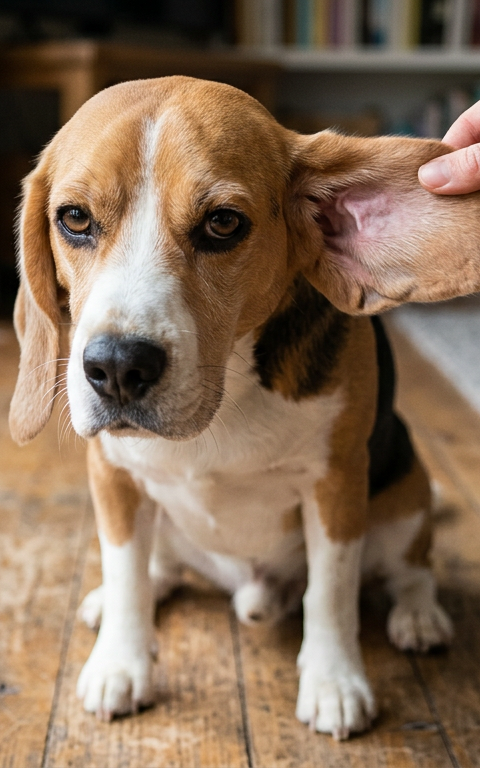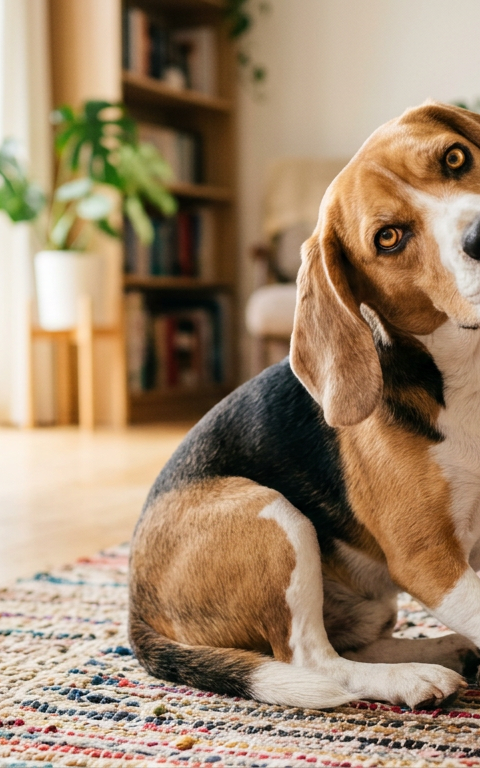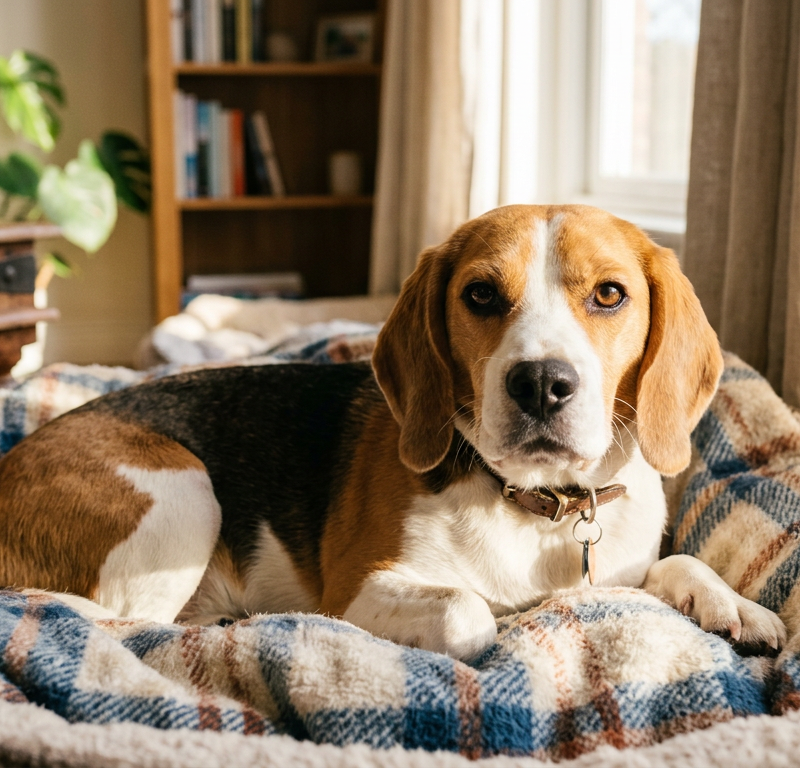
Waking up to a happy, tail-wagging companion is one of the best parts of being a pet parent. However, you might notice something a little less pleasant during your morning snuggles: small clumps of mucus in the corners of your dog's eyes. If you find yourself wondering why does my dog have boogers every morning, you are certainly not alone. This is a very common observation for many dog owners.
Most of the time, these morning eye deposits are a normal part of your dog's physiology. Just like humans wake up with "sleep" in their eyes, dogs collect debris and natural oils throughout the night. Understanding the difference between normal discharge and signs that require a vet visit can help you stay proactive about your dog's ocular health.
Understanding Normal Morning Eye Discharge
It is perfectly natural for a healthy dog to have a small amount of clear or slightly crusty discharge in the morning. During sleep, your dog isn't blinking as frequently, which allows the natural tear film to accumulate at the inner corners of the eyes. This film contains proteins, minerals, and cellular debris that the eye is naturally flushing out.
When this liquid evaporates overnight, it leaves behind the "boogers" you see when they wake up. As long as the material is clear, white, or slightly grayish and the eyes themselves look bright and clear, it is usually just a sign of a healthy eye doing its job. You can easily wipe these away with a soft, damp cloth.
Environmental Factors and Seasonal Allergies
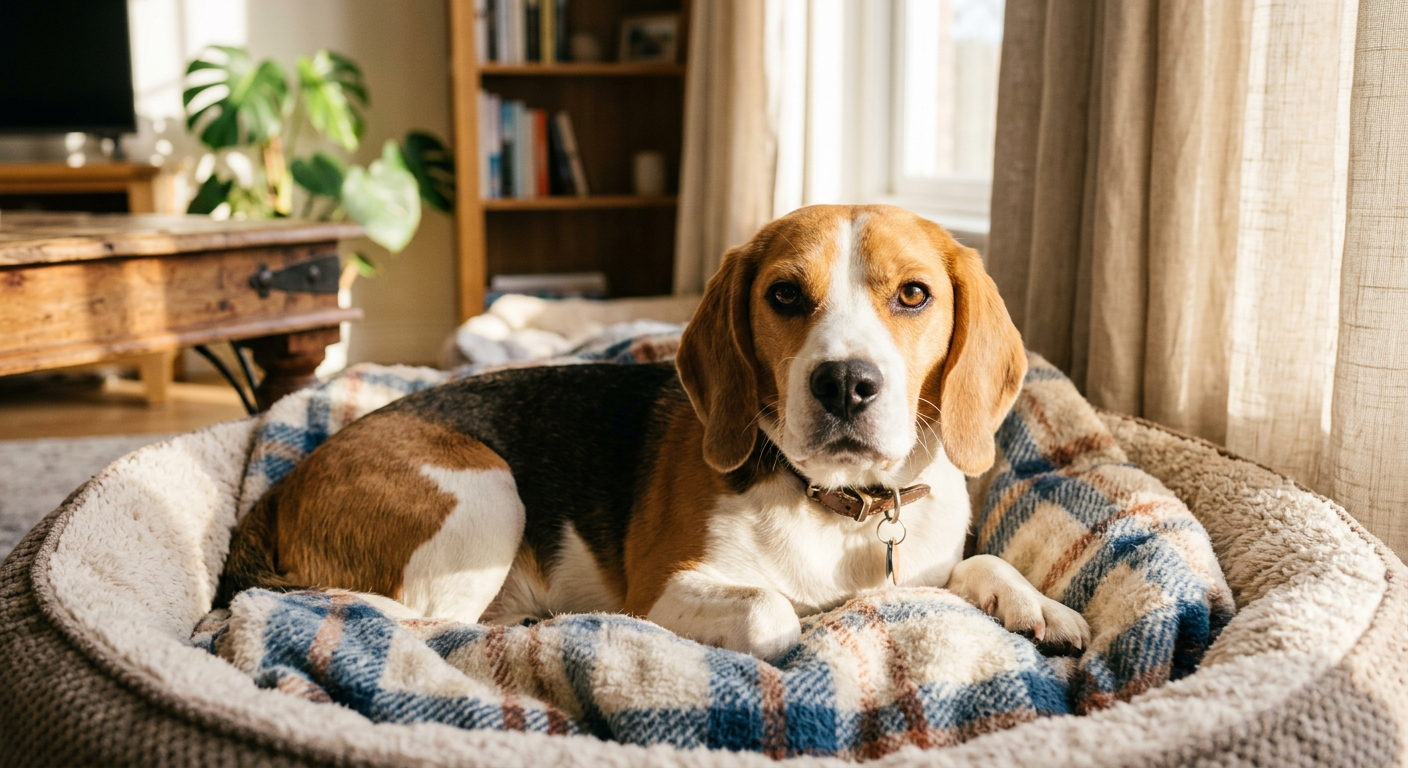
If you notice that your dog gets eye boogers every day more frequently during certain times of the year, environmental factors may be the cause. Pollen, dust, and mold can irritate the surface of the eye, leading to increased tear production as a protective response. This excess moisture often dries into crusty deposits by morning.
Indoors, things like strong perfumes, cigarette smoke, or even the dust kicked up from old carpets can contribute to eye irritation. If your dog spends a lot of time outdoors or sleeps near a vent, they might be more prone to these environmental triggers. Keeping their bedding clean and using an air purifier can often help reduce these symptoms.
Common Environmental Triggers
- High pollen counts during spring and fall
- Household dust and dander
- Aerosol sprays and strong cleaning chemicals
- Dry air from indoor heating systems
The Role of Breed and Facial Anatomy
Specific breeds are naturally more prone to waking up with eye discharge due to the shape of their face and eyes. For example, brachycephalic breeds (those with short snouts and large, prominent eyes) often have shallower eye sockets. This structure can lead to tears overflowing onto the fur rather than draining through the tear ducts properly.
If you have a breed like a French Bulldog or a Pug, managing morning eye debris is often a daily part of their grooming routine. Similarly, dogs with long hair around their faces, like a Shih Tzu, may experience more buildup because the hair can wick moisture toward the eye or trap debris against the surface.

When Discharge Indicates a Wellness Consideration
While clear or crusty morning buildup is usually fine, the color and consistency of the discharge can sometimes indicate a need for professional care. If the "boogers" transition from clear or white to a thick yellow or green color, this is often a sign of a bacterial infection. In these cases, you might also notice the eye appears red or inflamed.
Another sign to watch for is if your dog has yellow discharge from one eye only, as this can suggest a localized issue like a scratch on the cornea or a foreign object trapped under the eyelid. Persistent squinting, pawing at the face, or a cloudiness over the surface of the eye are all reasons to schedule a wellness check with your veterinarian.
Managing Your Dog's Eye Health at Home
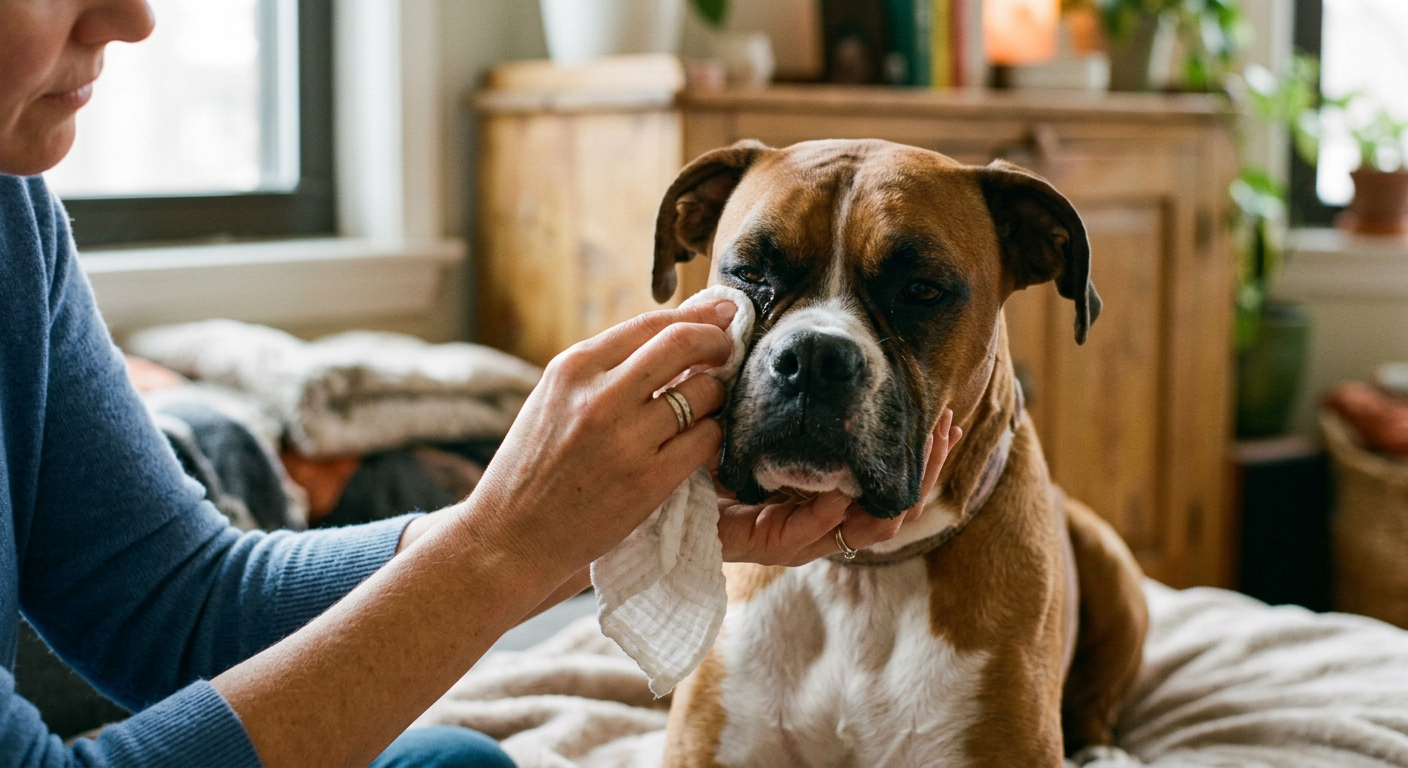
Proactive care is the best way to keep your dog's eyes comfortable and clear. Developing a gentle morning routine can prevent debris from hardening and irritating the delicate skin around the eyes. Use a clean, lint-free cloth dipped in lukewarm water to gently wipe away any buildup from the inner corner outward.
It is important to avoid using human eye drops or medicated washes unless specifically directed by a veterinarian. A dog's eye chemistry is different from ours, and some human products can cause further irritation. For breeds prone to staining, such as white-coated dogs, regular cleaning prevents the "tear stains" that develop when porphyrins in the tears sit on the fur for too long.
The Connection Between Eyes and Nose
The tear ducts in dogs are connected to the nasal passages. This is why you might sometimes see a correlation between eye discharge and nasal moisture. If your dog is experiencing significant eye discharge along with other symptoms, you might wonder why does my dog nose run clear liquid constantly alongside their eye issues.
When the eyes produce excess tears, they drain into the nose, which can lead to a slightly drippy snout. However, if the nasal discharge is thick or colored, or if you notice the dog nose is dry and cracked on one side only, it could indicate a more complex underlying condition that requires a vet's diagnosis. Keeping an eye on both the eyes and the nose provides a more complete picture of your pet's health.
Conclusion
In most instances, the reason why does my dog have boogers every morning is simply a matter of natural eye maintenance. Small amounts of clear or white discharge are the body's way of keeping the ocular surface clean and protected. By staying observant of changes in color, consistency, or behavior, you can ensure your dog's eyes remain bright and healthy for years to come.
If you ever feel concerned about the amount of discharge or if your dog seems uncomfortable, always consult your veterinarian. They can provide a thorough exam to rule out allergies, infections, or structural issues, giving you peace of mind and keeping your pup's vision in top shape.