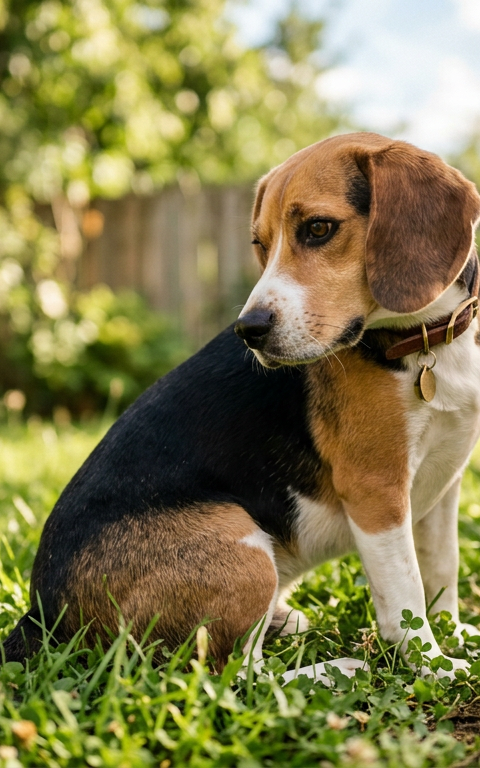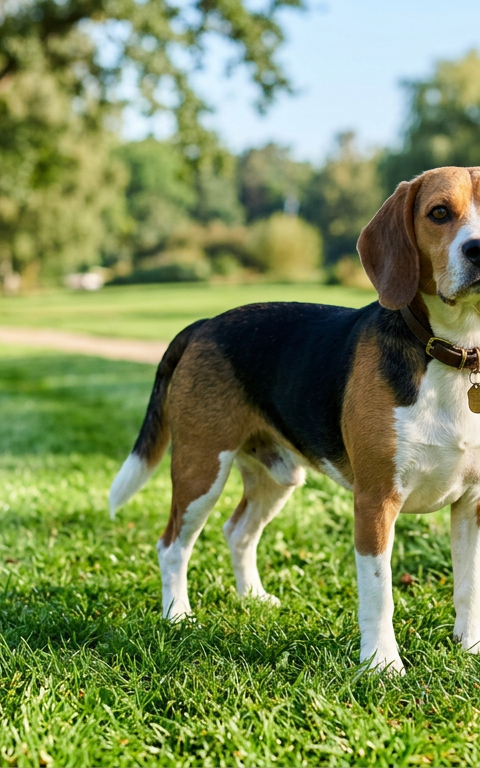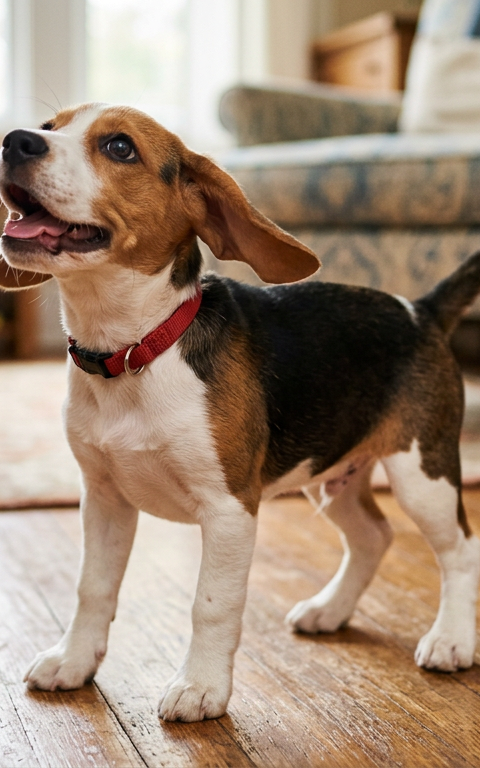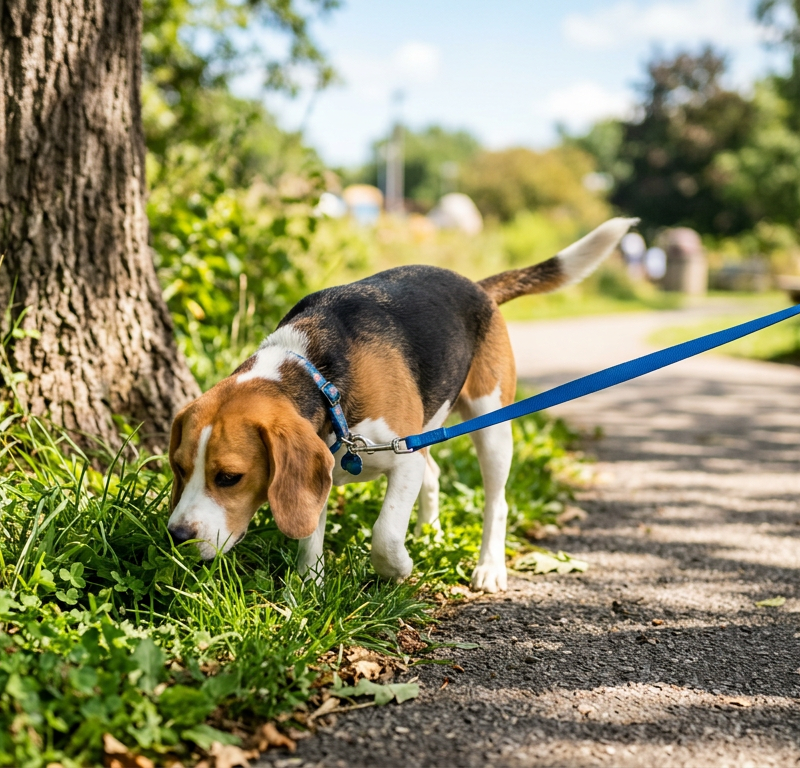
If you have ever headed out for a quick stroll only to find your dog pooping twice in a row on walks, you are certainly not alone. Many pet parents find themselves reaching for a second waste bag just minutes after the first. While it might seem like a quirky habit, there are several biological and behavioral reasons why your canine companion prefers a double deposit.
Understanding these habits helps you better manage your outdoor time and ensures your dog stays comfortable. This behavior is usually a normal part of their routine, reflecting how their digestive system and natural instincts work together. By paying attention to the timing and consistency of these movements, you can gain valuable insight into their overall wellness.
The Biological Mechanics Behind Double Elimination
The primary reason for multiple bowel movements is often simple physics. Dogs have a relatively short digestive tract compared to humans, and the movement of their body during a walk acts as a natural stimulant. This physical activity encourages the colon to move waste along more efficiently.
Sometimes, the first deposit doesn't quite "finish the job." If the rectum wasn't completely full, the initial movement might only clear the lower portion. As the walk continues, the remaining waste settles and triggers the urge to go again. This is particularly common in active breeds like the Border Collie, where high energy levels keep the digestive system moving fast.
The Role of Gastric Motility
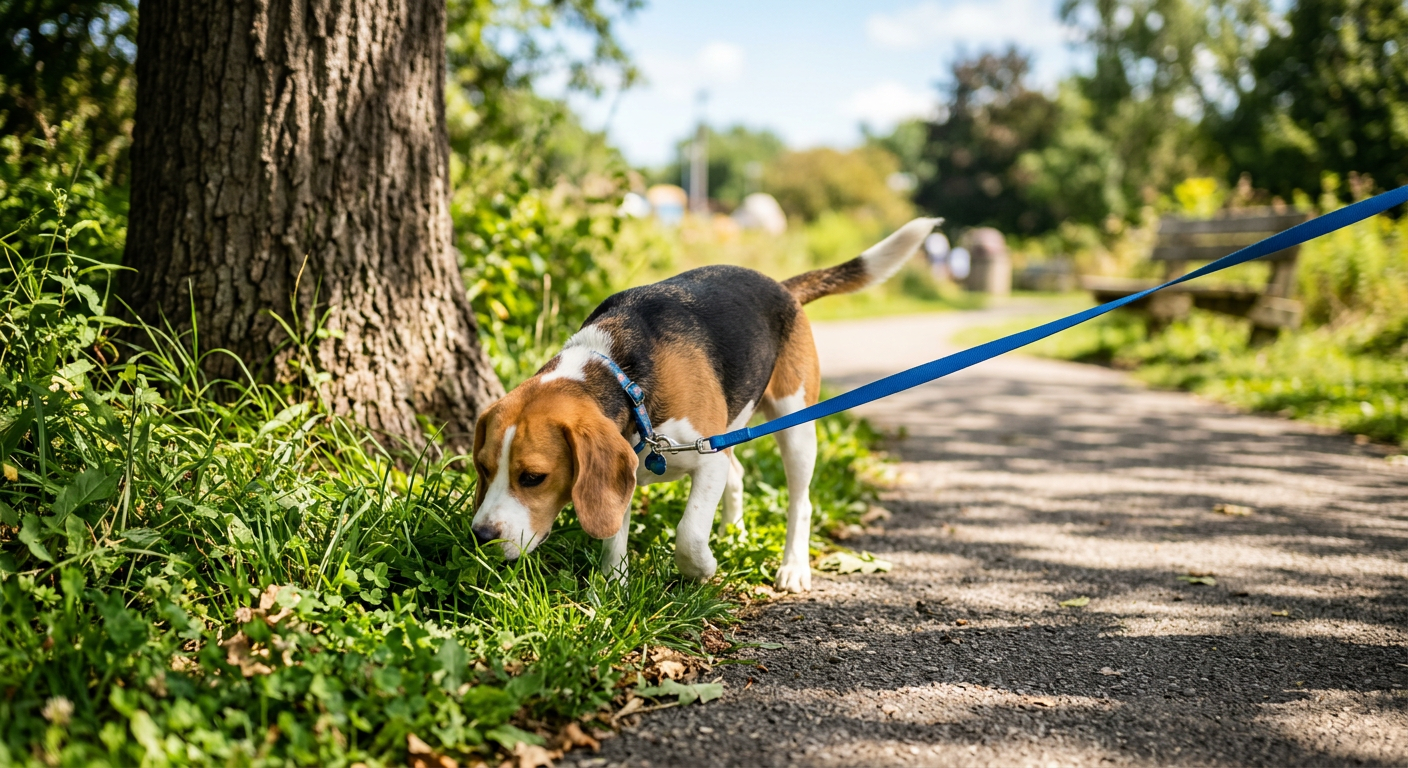
Walking increases gastric motility, which is the sequence of muscle contractions that move food through the digestive tract. The rhythmic thumping of paws on pavement or grass literally shakes things into place. This is why a dog who was "empty" at home suddenly finds the need to go once they hit the sidewalk.
Incomplete Evacuation
In some cases, a dog might be distracted during their first attempt. A passing car, a barking neighbor, or a particularly interesting scent can cause them to cut the first session short. Once they feel safe and focused again a few minutes later, they complete the process with a second deposit.
Communication and Scent Marking Instincts
For dogs, eliminated waste is much more than just biological byproduct; it is a complex communication tool. When your dog poops twice during a single outing, they might be "spacing out" their messages to cover more territory. This behavior is deeply rooted in their ancestral need to mark boundaries.
By leaving small amounts of waste in different locations, they provide more data points for other dogs in the neighborhood. These "poop posts" contain pheromones and unique chemical signatures that tell other animals about your dog's age, health, and social status. It is essentially the canine version of leaving multiple social media updates along a trail.
If you are curious about how these habits compare to other aspects of their bathroom routine, you might want to read about understanding pee and poop patterns in dogs. You will find that where they choose to go is often just as important as how many times they go.
Strategic Placement
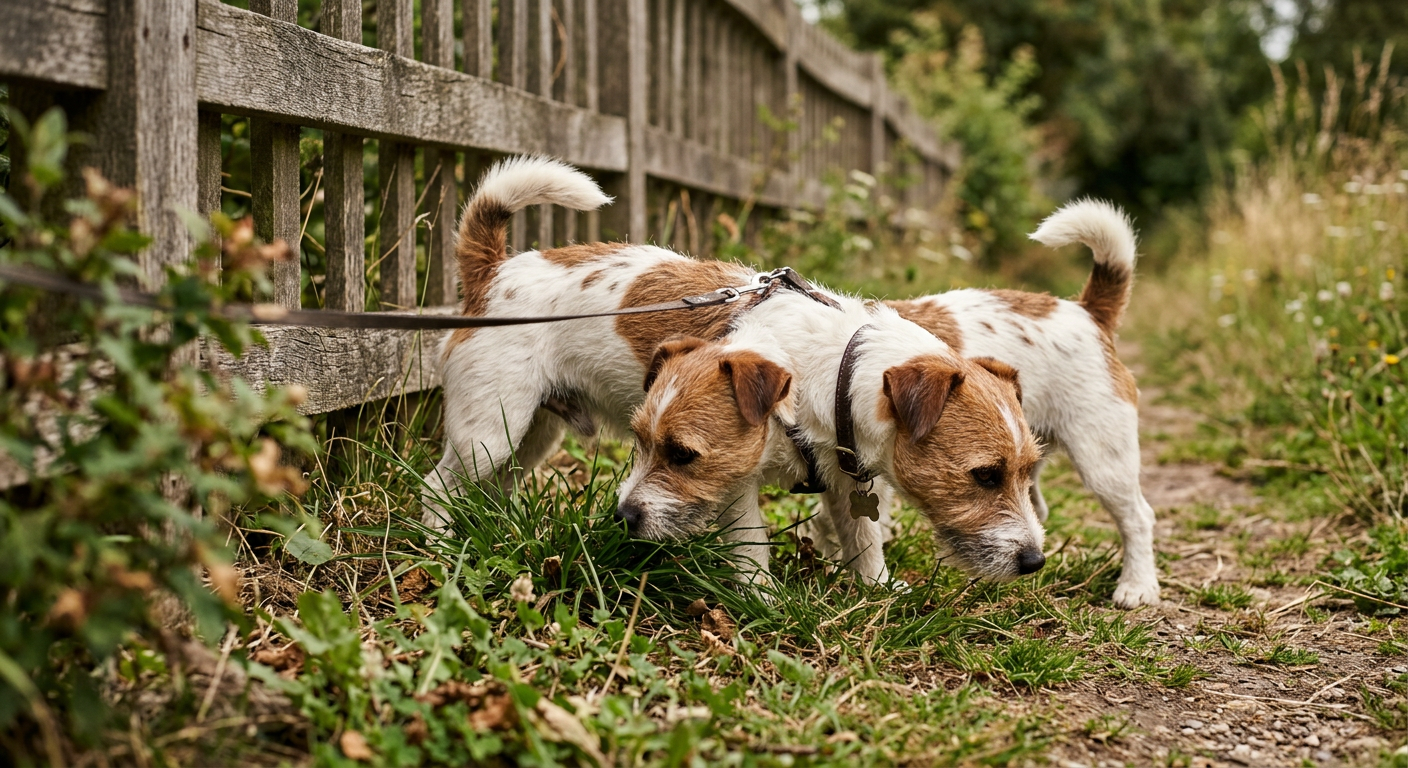
Some dogs are very selective about where they leave their "mail." They may go once near the start of the walk to get the urgent business out of the way, then save a smaller amount for a high-traffic area. This ensures their scent is picked up by the maximum number of local dogs.
Territorial Confidence
Confident dogs often feel the need to mark the furthest point of their walk to establish the range of their "territory." Even a small second deposit acts as a flag planted at the edge of their roaming grounds. This is a common sight in confident breeds such as the Boxer or Rottweiler during their daily patrols.
When Diet and Routine Play a Role
What goes in must come out, and the frequency of your dog's movements is heavily influenced by their diet. High-fiber diets can lead to larger volumes of waste that are difficult to pass all at once. This often results in the "split shift" routine where the dog goes twice in a twenty-minute span.
Feeding schedules also dictate this pattern. If your dog eats a large meal shortly before a walk, the gastrocolic reflex may kick in. This reflex tells the colon to make room for the new food entering the stomach, leading to multiple urges to eliminate during your exercise session.
- Fiber Content: High levels of beet pulp or miscanthus fiber can increase frequency.
- Meal Timing: Walking 30-60 minutes after a meal often triggers multiple movements.
- Hydration: Well-hydrated dogs typically have softer stools that may be easier to pass in smaller increments.
- Food Quality: Fillers in lower-quality kibble can increase the total volume of waste produced daily.
Behavioral Rituals and the "Second Spot"
Many dogs are creatures of habit who develop specific rituals for their bathroom breaks. You may notice your dog sniffing intensely for several minutes between the first and second event. This isn't just looking for a spot; it is a mental process of "aligning" themselves with their environment.
Some dogs also experience a "second wind" of energy after the first poop. This burst of activity often leads to a second movement as their internal systems reach peak performance. This is why you might see them "zoom" around after the first deposit before settling down for the second one. If your dog has unusual pre-potty rituals, you can learn more about why dogs circle before they go.
The Influence of Anxiety
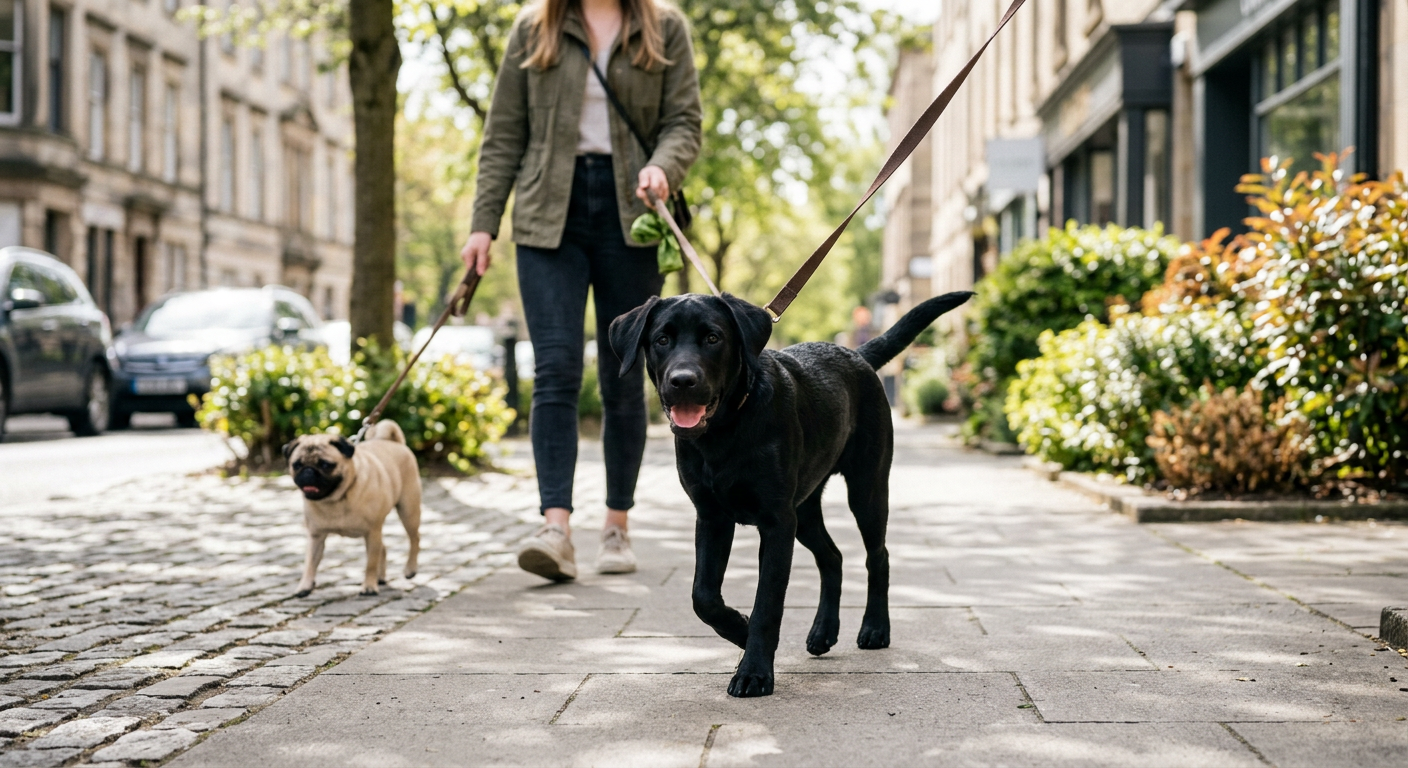
While usually a positive sign of health, multiple movements can sometimes be triggered by mild excitement or nervous energy. If a dog is slightly overstimulated by the environment, their body may clear out the digestive tract more rapidly. A calm, consistent walking routine usually helps balance this out over time.
Maintaining Wellness and Monitoring Changes
While having your dog poop twice on an outing is generally normal, it is important to watch the consistency of the stool. Typically, the first stool is firm and well-formed, while the second stool may be slightly softer because it hasn't spent as much time in the colon. This is a common observation for most pet owners.
However, if the second stool is consistently watery or if your dog seems to be straining without producing anything, it may be worth a conversation with your veterinarian. A sudden increase in frequency can sometimes indicate dietary sensitivities or minor internal irritations that are easily managed with professional advice.
Proactive Steps for Pet Parents
- Carry Extra Bags: Always be prepared for the "double-dip" so you aren't caught off guard.
- Monitor Consistency: Note if the second movement is significantly different from the first.
- Check for Irritants: Ensure your dog hasn't been scavenging, such as eating cat waste, which can upset their stomach.
- Keep a Schedule: Regular walk times help stabilize your dog's internal clock.
The Final Word on Twice-in-a-Row Habits
Watching your dog pooping twice in a row on walks is usually just a sign of a healthy, active pup with a busy social life in the neighborhood. Whether it is driven by biology, the need to communicate, or just the physical joy of a good walk, it is a standard part of the canine experience. As long as the movements are healthy and your dog is acting like their usual happy self, there is no cause for concern.
By keeping an eye on their habits and staying prepared with plenty of bags, you can enjoy your walks together without any surprises. Remember that every dog is an individual, and their unique bathroom patterns are just another part of what makes them who they are. If you ever have questions about their digestive health, your veterinarian is always the best resource for personalized wellness advice.