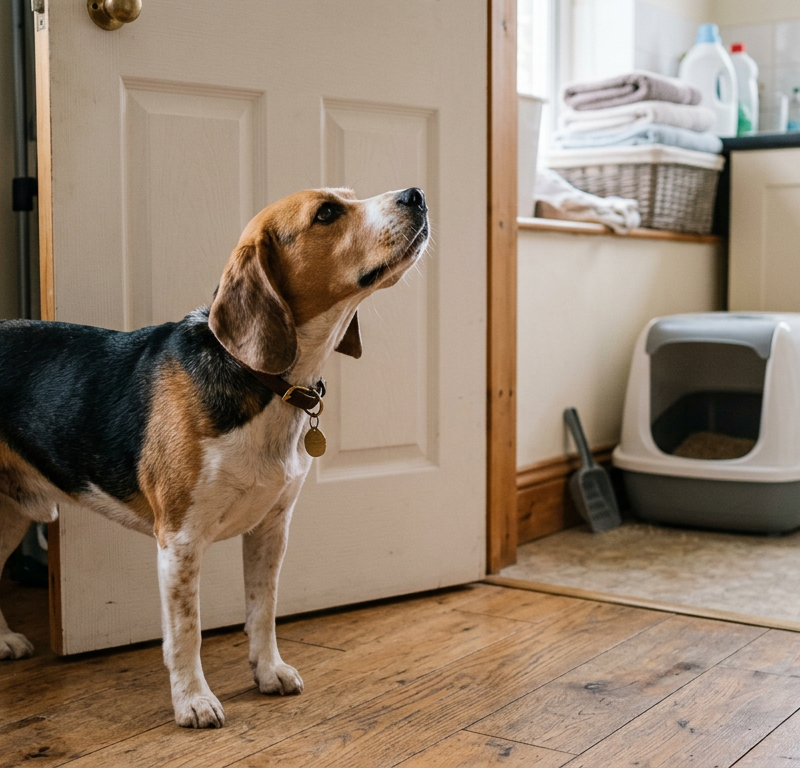
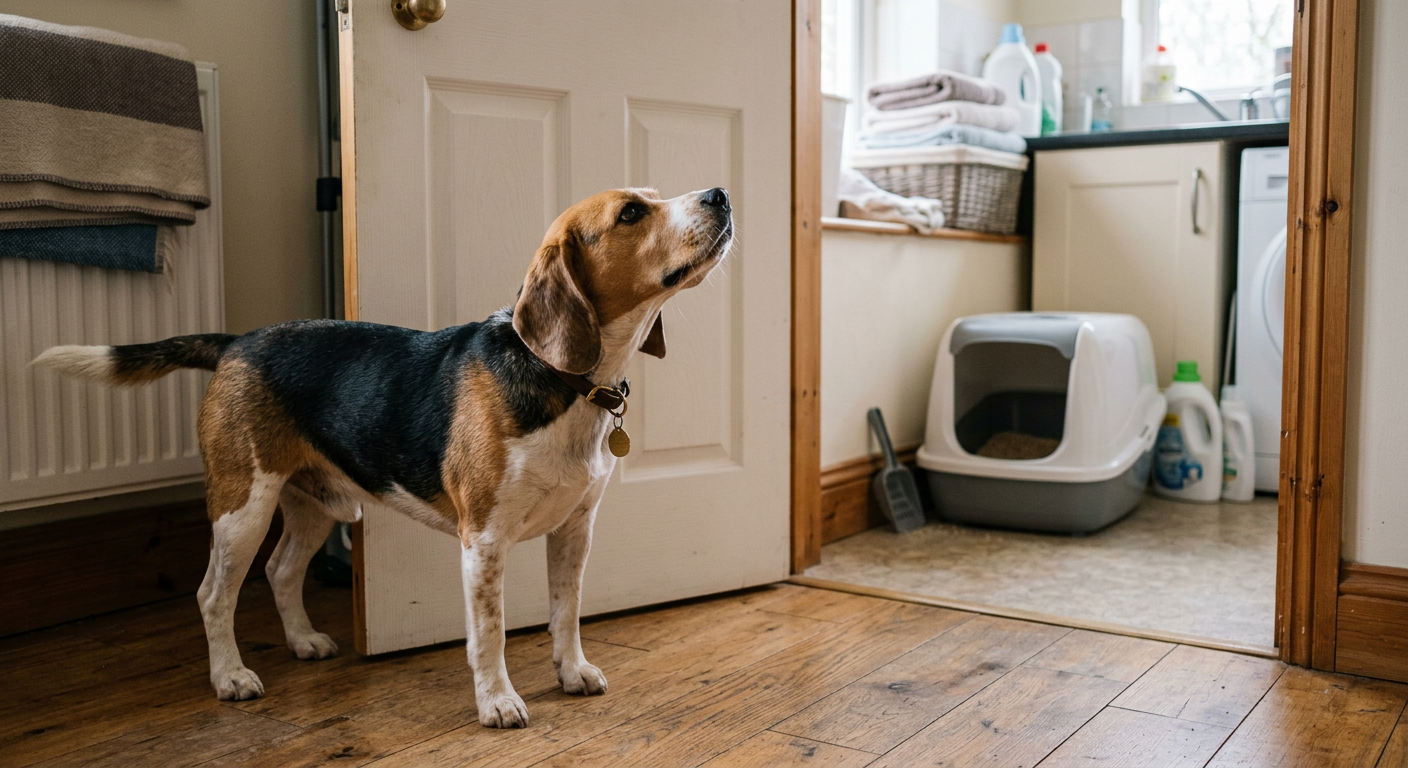
It is a scenario many pet owners encounter: you walk into the laundry room only to find your canine companion snacking on something they shouldn't. If you have ever asked, "why does my dog eat cat poop from litter box" you are certainly not alone. This behavior, while unpleasant to humans, is actually a common phenomenon in the animal kingdom known as coprophagia.
Understanding why your dog is drawn to the litter box is the first step in addressing the habit. While it can be frustrating, most reasons for this behavior are rooted in natural instincts or simple curiosity. By exploring the biological and behavioral drivers, you can create a more harmonious environment for both your dog and your cat.
The Biological Appeal of Cat Waste
To a dog, the contents of a litter box might not seem like waste at all. Cats are obligate carnivores, meaning their diet is incredibly high in protein. Often, their digestive systems do not fully break down every nutrient, leaving the resulting waste smelling—and apparently tasting—significant to a scavenging canine.
Dogs have an incredibly keen sense of smell, and they may be attracted to the undigested fats and proteins present in cat droppings. From their perspective, the litter box is essentially a "snack bar" filled with high-protein treats. This is especially true if you have a high-energy breed like a border collie, which might be looking for any extra source of energy or mental stimulation.
Dietary Deficiencies and Wellness Considerations
In some instances, a dog raiding the litter box might be trying to supplement their own diet. If a dog is missing certain enzymes or B-vitamins, they might instinctively seek them out in the waste of other animals. This is a survival mechanism seen in the wild, though it is less necessary for modern pets with balanced diets.
If you notice this behavior starting suddenly, it is a good idea to review your dog's current nutritional plan. You might also want to look into understanding pee and poop patterns in dogs to see if there are other changes in their elimination habits. A quick chat with your veterinarian can help rule out any underlying malabsorption issues.
Instinctual Behaviors and Scavenging
Dogs are natural scavengers. Their ancestors survived by eating whatever they could find, and that opportunistic mindset remains hardwired into many modern breeds. To a dog, "free food" is a win, regardless of where it comes from or what it technically is.
This scavenging behavior is often reinforced if the dog feels bored or under-stimulated. Without a "job" to do or toys to play with, investigating the cat’s area becomes a self-rewarding activity. The act of finding the "treasure" and eating it provides immediate gratification, making the habit hard to break without intervention.
The Role of Curiosity and Play
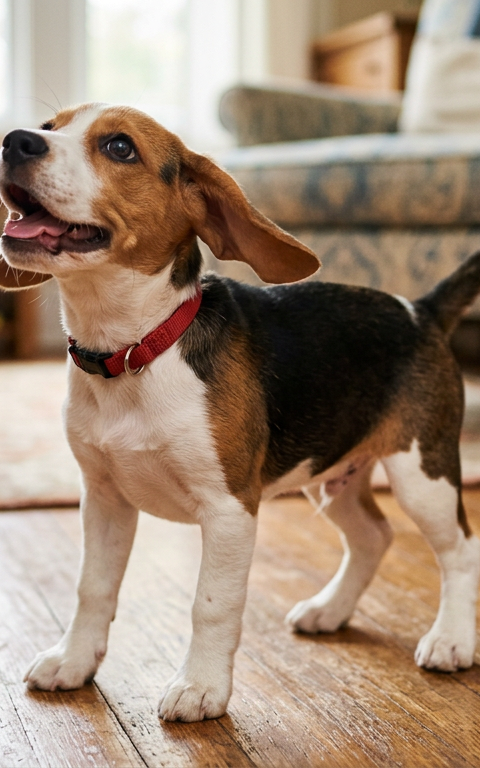
Puppies and younger dogs are especially prone to this behavior. They explore the world with their mouths, and a litter box filled with interesting textures and smells is an irresistible mystery. If they find that the "treasures" inside taste like the cat's high-protein food, they are likely to return for more.
Even older dogs can develop this habit if they spend a lot of time alone. Maintaining a consistent exercise routine and providing interactive puzzles can help redirect that curious energy away from the cat's bathroom and toward more appropriate toys.
Managing the Environment for Success
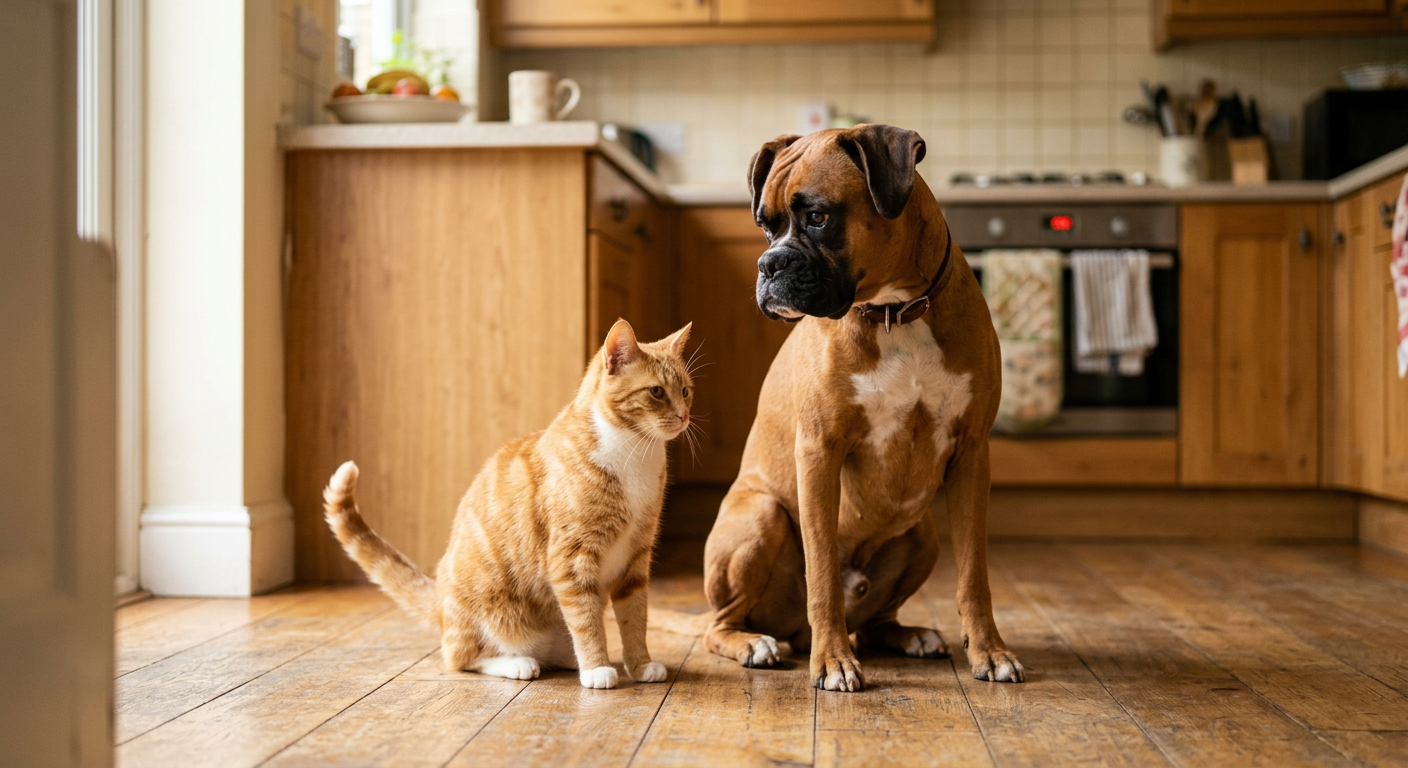
The most effective way to stop a dog from eating cat waste is to manage the environment so they no longer have access to it. This protects the dog from potential parasites and ensures the cat feels safe and private while using their box. Cats can become stressed if they feel they are being "hunted" or watched while in the litter box.
- Use Baby Gates: A pressure-mounted gate with a small pet door allows the cat through while keeping the dog out.
- Top-Entry Litter Boxes: These designs make it much harder for a dog to reach the contents while still being accessible for the cat.
- Furniture Enclosures: Many companies sell cabinets designed to hide litter boxes, providing a barrier that most dogs cannot bypass.
- Frequent Scooping: Removing the temptation entirely by cleaning the box immediately after the cat uses it is a foolproof method.
If you have a large breed, such as a German Shepherd or a Labrador Retriever, you may need more robust physical barriers. These breeds are often tall enough to reach over standard gates or clever enough to figure out simple latches.
Proactive Training Techniques
While physical barriers are the easiest solution, training your dog can provide a long-term fix. Teaching a strong "Leave It" command is invaluable in these situations. When you see your dog wandering toward the litter box area, catch their attention and reward them for turning away.
Positive reinforcement is key here. You want your dog to realize that ignoring the litter box results in a much better treat—like a piece of chicken or a favorite kibble—than whatever they might find inside. Consistency is vital; everyone in the household must be on board with the training plan to ensure the dog doesn't get "mixed signals."
Redirecting Engagement
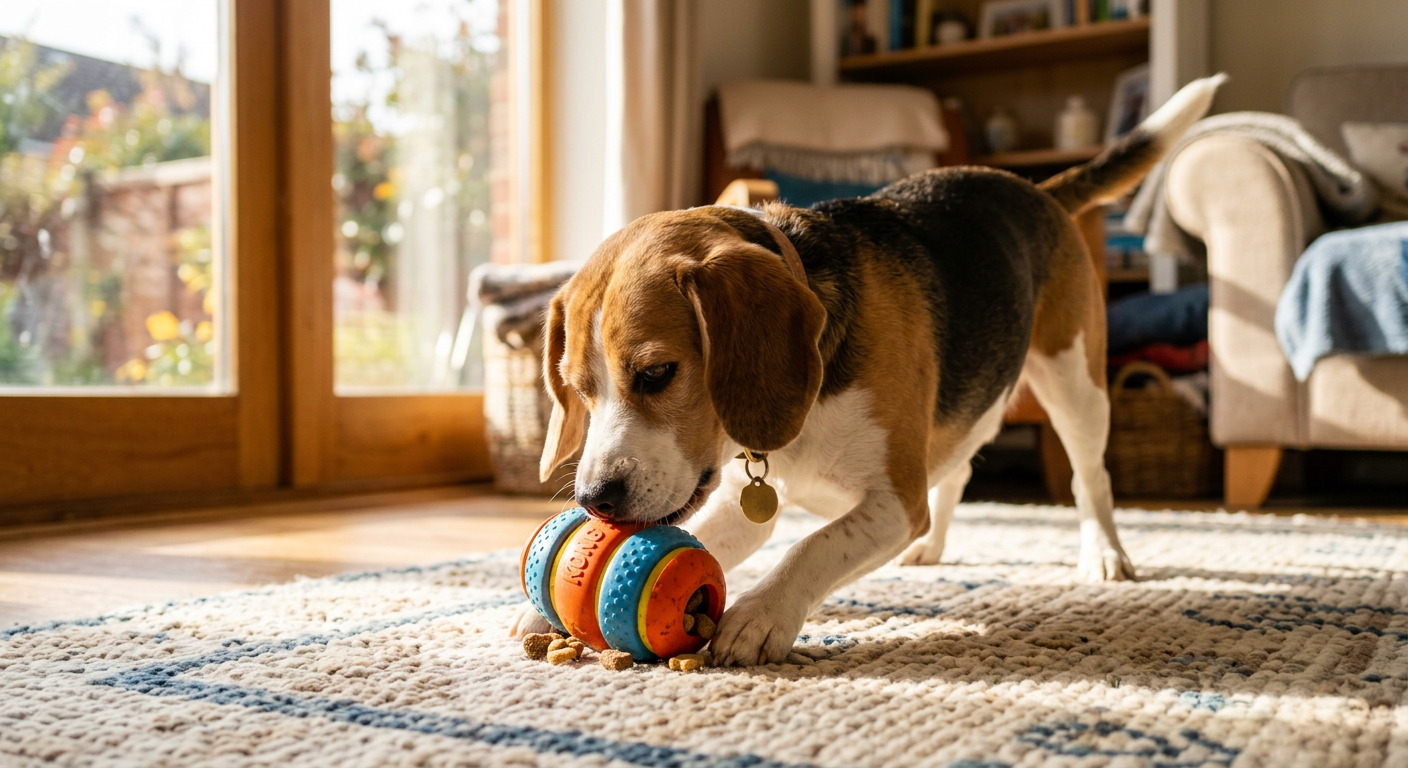
When you aren't around to supervise, make sure your dog has plenty of appropriate items to chew on. Durable rubber toys stuffed with pet-safe peanut butter or wet food can keep a dog occupied for thirty minutes or more. This "work" satisfies their scavenging instinct in a way that is healthy and clean.
When to Consult a Veterinarian
While eating cat poop is usually just a gross habit, there are moments when professional advice is necessary. If your dog experiences a sudden change in appetite, lethargy, or frequent digestive upset, it is time for a checkup. Cat litter itself, especially the clumping variety, can be problematic if a dog ingests a large amount of it.
- Monitor for signs of intestinal blockages, such as vomiting or straining.
- Ensure your dog is on a regular deworming schedule, as cat waste can carry parasites.
- Discuss your dog's caloric intake with your vet to ensure they aren't "foraging" out of true hunger.
Your vet can also recommend specific food additives that make the cat's waste taste less appealing to dogs. These are generally safe for the cat and can be a helpful secondary measure alongside physical barriers and training.
Understanding the Impact on Your Cat
It is important to remember that this habit affects the household's feline members too. Cats are very particular about their bathroom habits. If they feel like a dog is constantly bothering them or raiding their space, they may start eliminating outside the box to avoid the stress. This can lead to a whole new set of household challenges.
By securing the litter box, you aren't just stopping a "gross" habit in your dog; you are also protecting your cat's peace of mind. A happy cat is more likely to stick to their routine, and a dog that isn't raiding the litter box is a much more pleasant companion to snuggle with on the couch!
Final Thoughts on the Litter Box Habit
While finding your pet in the litter box is never a highlight of pet ownership, it is a manageable issue. By asking why does my dog eat cat poop from litter box, you have already taken the first step toward a cleaner home. Combining environmental controls, like gates or enclosures, with consistent training will solve the problem for most households.
Keep in mind that patience is essential. Habits formed through natural instinct take time to redirect. Focus on wellness, keep the litter box clean, and celebrate the small victories as your dog learns to leave the cat's "business" alone.