Waking up to find that your dog urine looks orange in morning can be a bit surprising for any pet parent. While we often expect a light yellow hue, variations in color are actually quite common and usually tell a story about your dog's hydration levels or recent activities. Understanding what these colors mean is a great way to stay proactive about your furry friend's wellness.
Monitoring your dog's elimination habits is one of the simplest ways to keep tabs on their internal health. Just as you might notice changes in your own body, a dog's morning output is often the most concentrated of the day. In many cases, a deeper tint is simply a sign that they have been sleeping soundly for several hours without a water break.
Why Morning Urine Appears More Concentrated
The most common reason for a deeper orange or dark yellow color in the early hours is simple concentration. Throughout the night, your dog's kidneys continue to filter waste from the blood, but because they aren't drinking water while they sleep, there is less fluid to dilute the pigments. This results in a higher concentration of urochrome, the pigment that gives urine its color.
If you find that your dog’s first bathroom break of the day produces a darker color than their afternoon breaks, it is likely just a sign of a long night's rest. You can check their age-related needs using our Labrador Retriever age calculator to see how their life stage might affect their metabolism and hydration requirements.
The Role of Hydration
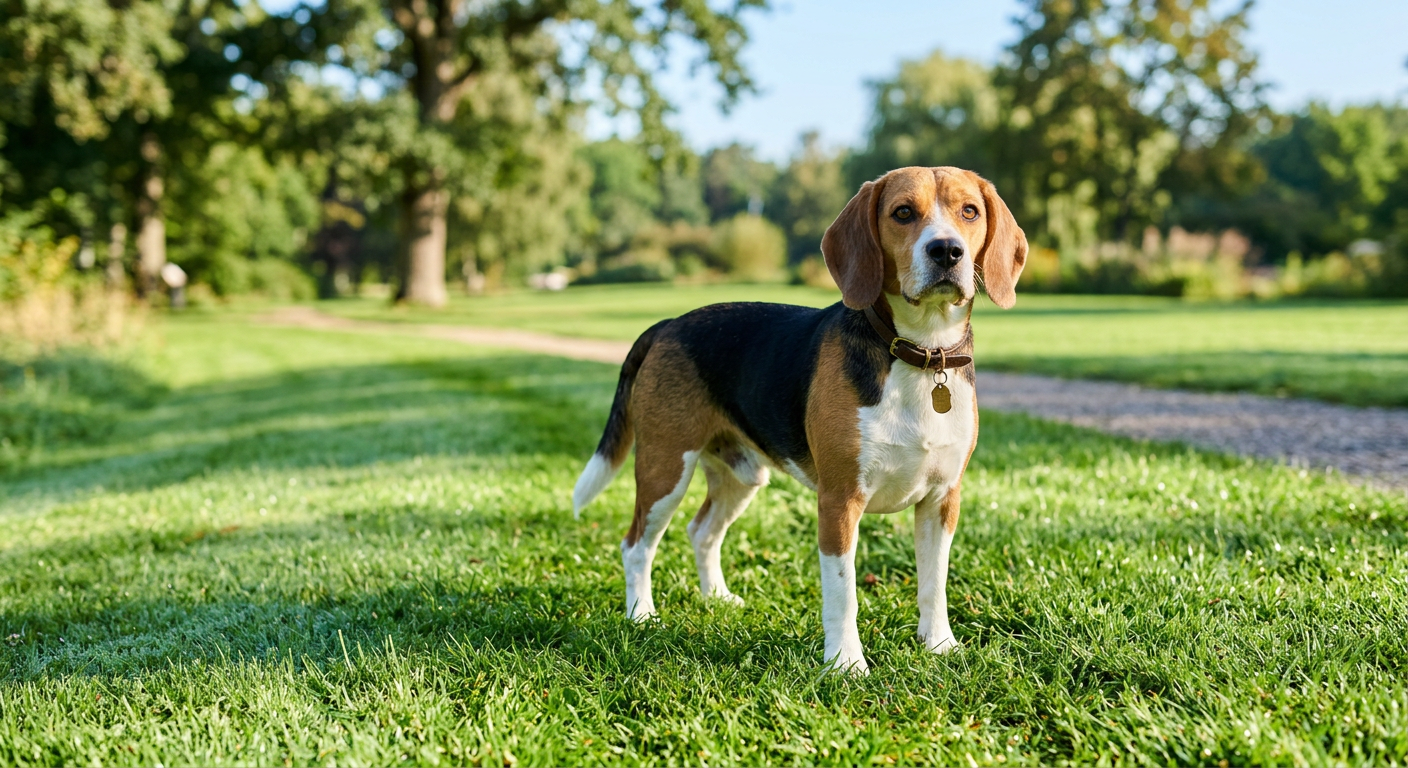
Hydration is the primary factor in urine color. When a dog is well-hydrated, their kidneys have plenty of water to flush out toxins, resulting in a pale straw color. When water intake is low, the body tries to conserve moisture, making the output appear much darker. If you notice an orange tint, it might be a gentle reminder to ensure their water bowl is topped up before bedtime.
Active Lifestyles and Dehydration
High-energy dogs or those who spent the previous evening playing hard may wake up with more concentrated urine. Exercise leads to moisture loss through panting and paw pads. If the fluids aren't replaced before they settle in for the night, the morning results will show that slight orange or amber glow. Keeping a fresh water source available at all times is the best way to support their recovery.
Nutritional Factors and Supplements
What goes into your dog's body naturally affects what comes out. Certain vitamins and dietary choices can temporarily alter the color of your pet's waste. If you have recently changed their food or started a new wellness regimen, this could be the culprit behind the change in shade.
Common nutritional influencers include:
- B-complex vitamins, which are famous for turning urine a bright or neon orange-yellow.
- Vegetables like carrots or pumpkins, which contain beta-carotene.
- Specific food dyes used in some commercial kibbles.
- Specific liver or kidney support supplements recommended by your vet.
Water Intake and Wet Food
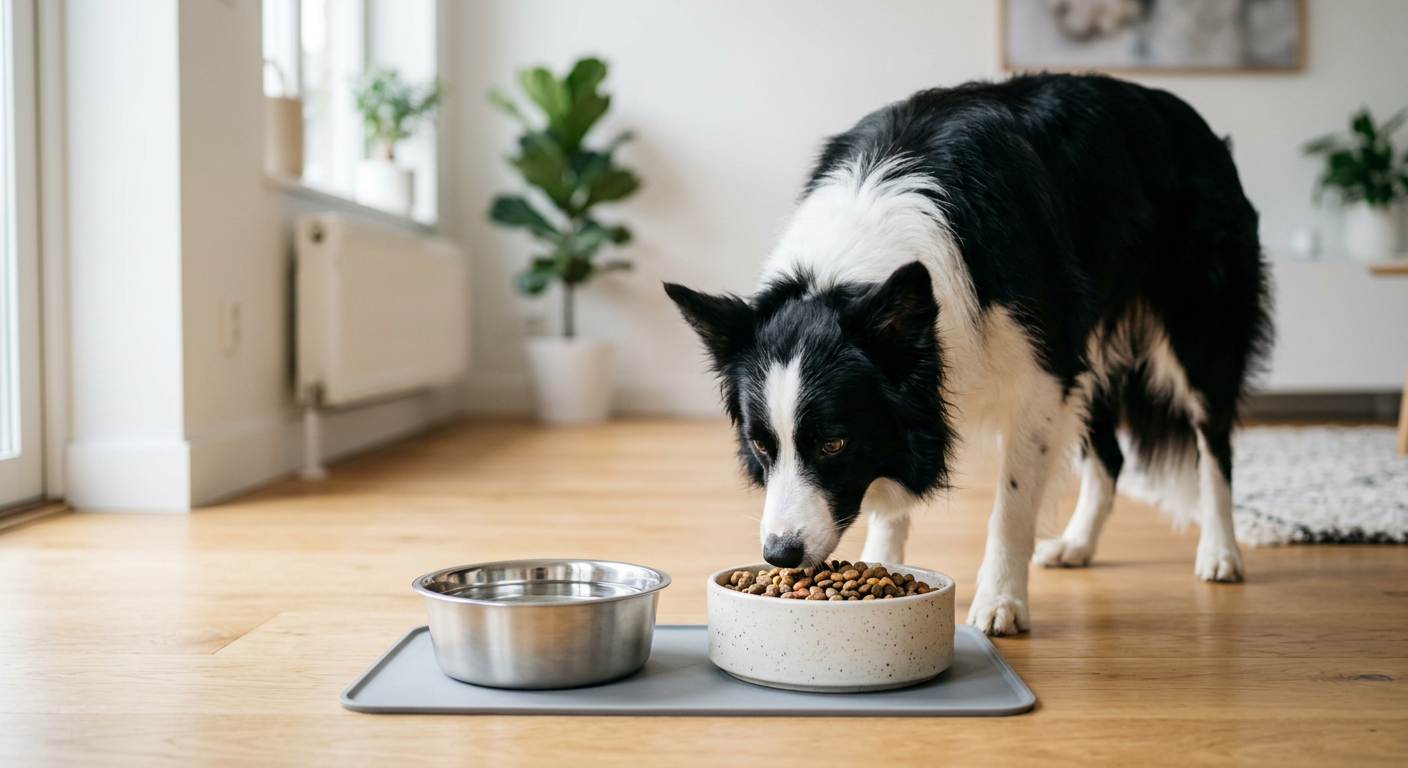
Dogs that eat a strictly dry kibble diet often have more concentrated urine than those who eat wet or fresh food. The moisture content in canned food provides significant hydration, which can lead to lighter-colored urine throughout the day. If you are concerned about concentration, adding a splash of water or low-sodium broth to their kibble can help increase their daily fluid intake.
Wellness Considerations and When to Consult a Vet
While a darker tint in the morning is often normal, there are times when it warrants a conversation with your veterinarian. Persistent orange urine that doesn't clear up after the dog drinks water, or urine that looks like tea or cola, may indicate an underlying health matter. In these cases, it is always best to seek professional advice to ensure your dog is feeling their best.
One potential concern is bilirubinuria, which occurs when there is an excess of bilirubin in the system. This can be related to how the liver or gallbladder is functioning. While it sounds complex, your vet can easily check this with a simple urinalysis during a routine check-up. Understanding your pet's bathroom habits is key, and you can learn more about understanding pee and poop patterns in dogs to help you identify what is normal for your specific pet.
Watch for Accompanying Symptoms
Color is just one piece of the puzzle. If you notice your dog urine looks orange in morning along with any of the following, it’s time for a vet visit:
- Straining to urinate or frequent small amounts of output.
- Lethargy or a sudden lack of appetite.
- Yellowish tint to the whites of the eyes or gums (jaundice).
- An unusually strong or foul odor.
Environmental Factors and Visual Illusions
Sometimes, what we perceive as orange urine is actually influenced by the surface the dog chooses for their bathroom break. If your dog prefers to go on mulch, dead grass, or certain types of gravel, the liquid can react with the tannins or dust in the environment, changing its appearance instantly. Even the morning sun hitting a yellow puddle at a low angle can make it appear much more orange than it actually is.
To get an accurate look, you can try to catch a small sample in a clear container or observe the color on a white surface, like snow or a paper towel. This helps remove environmental bias and gives you a clearer picture of their actual hydration status. For more tips on observing your dog's habits, check out our guide on why dogs may poop twice on walks, as elimination patterns often go hand-in-hand.
Supporting Your Dog's Urinary Health
Promoting a healthy urinary system is a vital part of long-term wellness. Encouraging your dog to drink more water is the most effective way to keep their urine at a healthy, light-yellow concentration. You can do this by placing multiple water bowls around the house, using a pet fountain for dogs who prefer moving water, or offering ice cubes as a crunchy, hydrating snack.
Regular exercise and frequent bathroom breaks also help. The longer urine sits in the bladder, the more time there is for minerals to settle and for the liquid to become concentrated. By ensuring your dog has a final "potty break" right before bed and an early morning walk, you help keep their system moving efficiently.
Comparing Breeds and Individual Needs
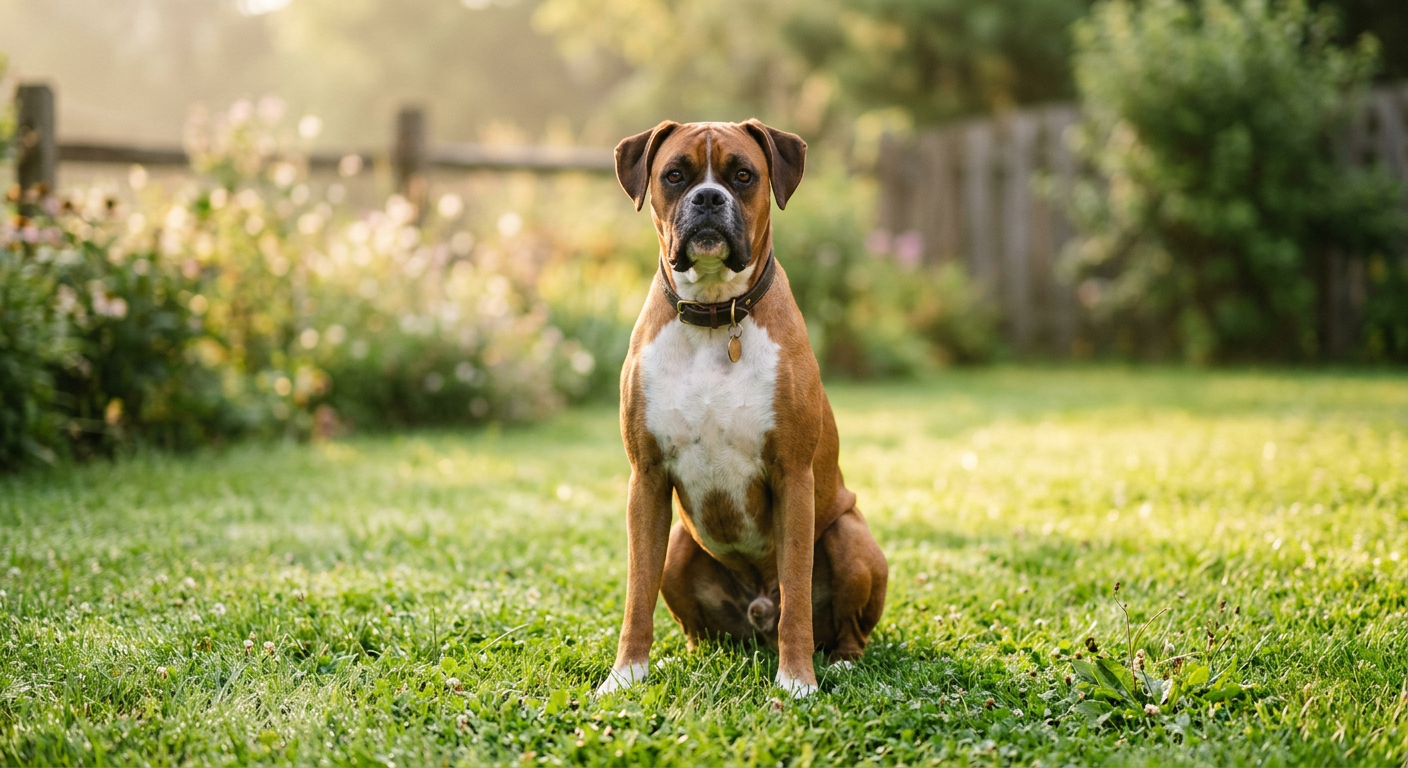
It is also worth noting that different breeds might have different metabolic rates. For example, when you compare the Beagle vs Boxer, you might find that their activity levels and water needs differ significantly. A highly active Boxer might require much more water to maintain clear urine compared to a more sedentary companion.
Always remember that every dog is an individual. What is normal for a senior dog might be different for a puppy. By observing your dog daily, you become the expert on their "normal," making it much easier to spot when something truly changes. If your dog urine looks orange in morning but they are acting happy, eating well, and the color lightens up by noon, they are likely just fine!
Conclusion
While seeing orange-tinted urine in the morning can be a moment of concern, it is usually a simple sign of overnight concentration or dietary factors. By staying observant and encouraging plenty of hydration, you are doing a great job supporting your dog's wellness. If you ever feel unsure, a quick call to your veterinarian can provide the peace of mind you need to keep your pup wagging their tail.