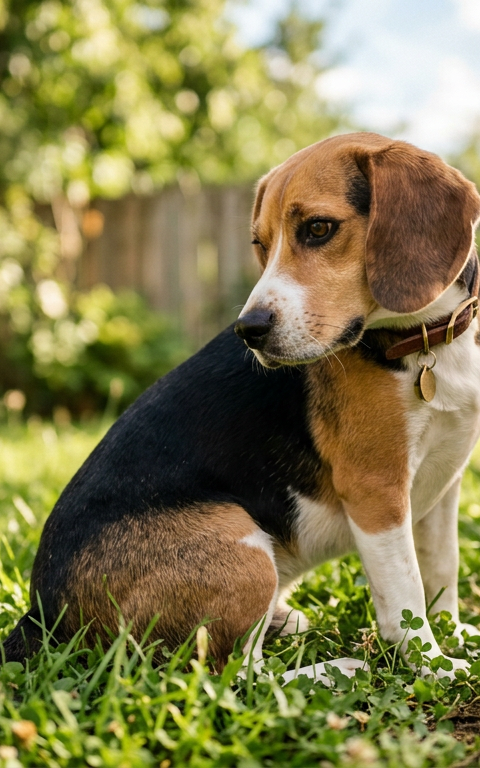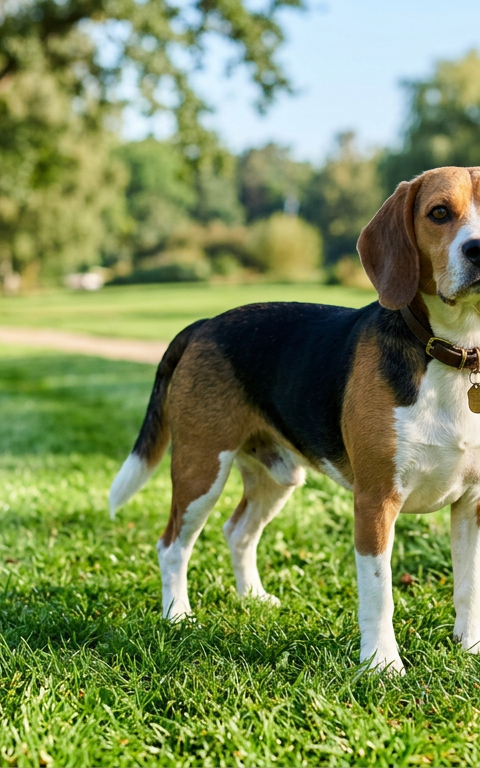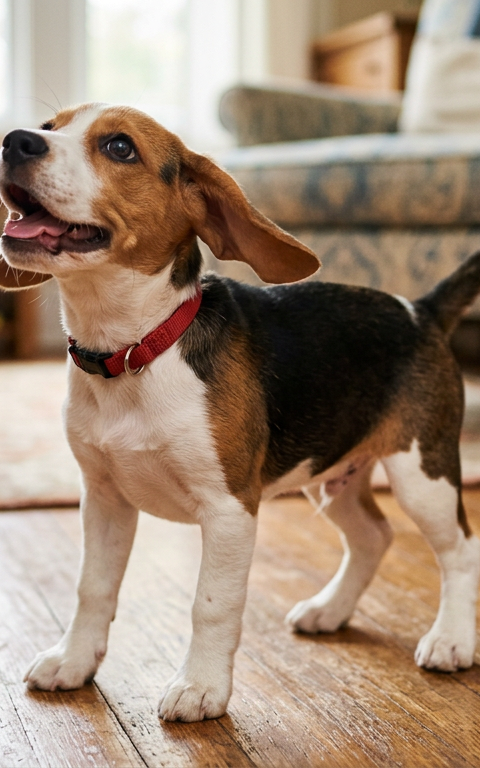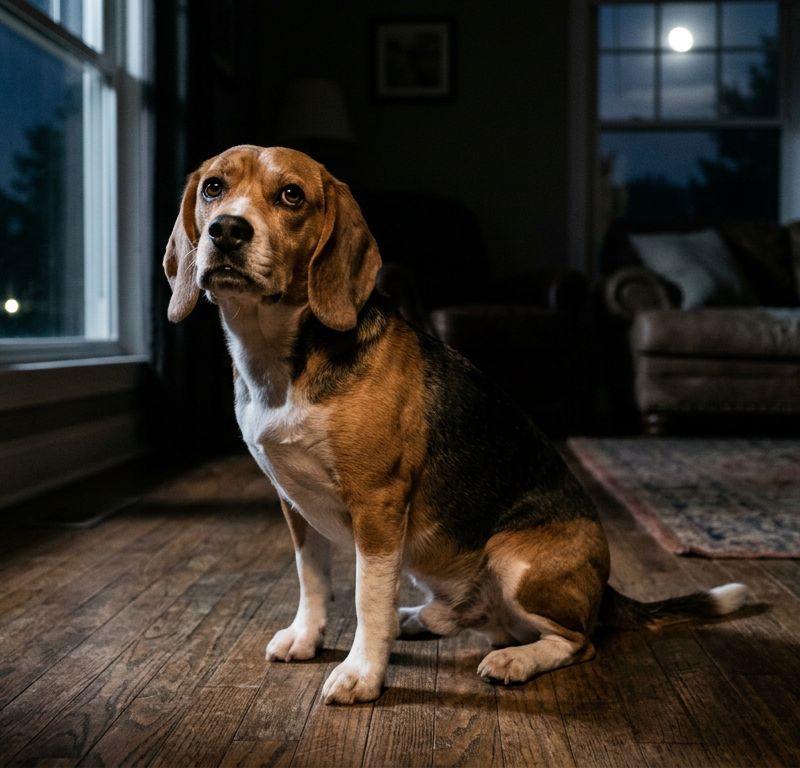
It can be quite a surprise to wake up and find an unexpected mess on the carpet, especially if your canine companion has been house-trained for years. When you find your dog suddenly pooping inside at night only, it feels like a sudden shift in their reliable routine. This behavior is rarely a sign of defiance; rather, it is usually a signal that something in your dog's internal clock, environment, or physical well-being has changed.
Understanding why your dog is choosing the moonlit hours to alleviate themselves is the first step toward a solution. It requires a bit of detective work to determine if the cause is related to their diet, their aging process, or perhaps a change in the neighborhood sounds that occur while you are asleep. By looking at the patterns, you can help your pup return to their clean habits and ensure everyone gets a restful night's sleep.
Possible Health and Wellness Considerations
When a behavior changes abruptly, the first place to look is your dog's physical health. Digestive sensitivities or minor infections can lead to an increased urgency that your dog simply cannot control until morning. Even a subtle change in their stool consistency can make "holding it" much more difficult during the long stretch of the night.
Age is another significant factor to consider. As dogs enter their senior years, they may experience a decline in sphincter control or cognitive changes that affect their house-training memory. If you are caring for an older pet, you might find it helpful to check a German Shepherd age calculator or similar tool for your specific breed to see where they land in their life stages. Senior dogs often need more frequent opportunities to go outside, even during the late hours.
Digestive Disturbances and Diet
Sometimes the culprit is as simple as a recent change in kibble or an evening treat that didn't sit quite right. Increased fiber or ingredients that cause gas can speed up the digestive tract. If your dog is processing food faster than usual, the urge to go might strike at 2:00 AM instead of 7:00 AM.
Cognitive and Mobility Issues
For older dogs, Canine Cognitive Dysfunction (CCD) can lead to disorientation. They may forget that they are supposed to go outside or lose the ability to signal that they need a break. Additionally, if a dog has stiff joints, the effort of walking to the door and navigating stairs in the dark might feel daunting, leading them to choose a closer, indoor spot.
Environmental Stressors and Anxiety
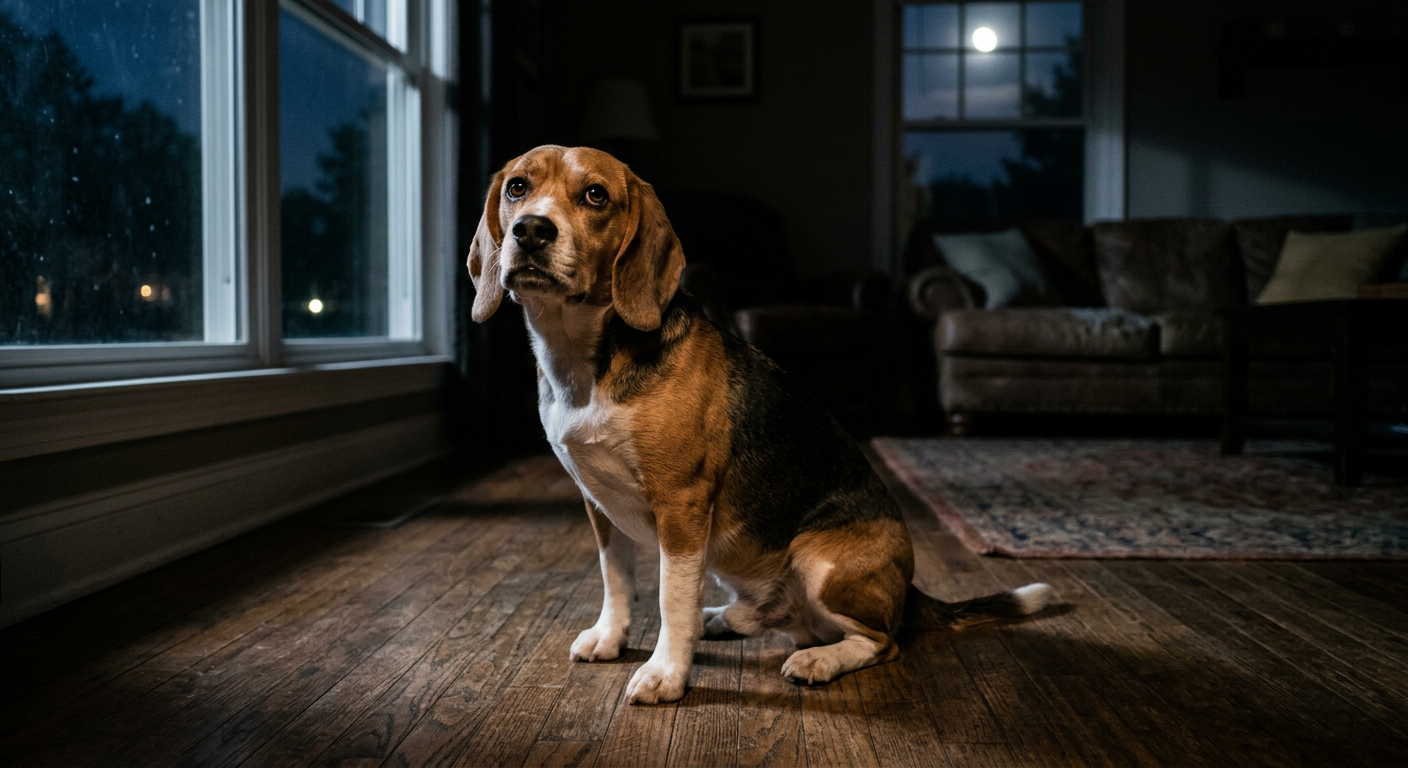
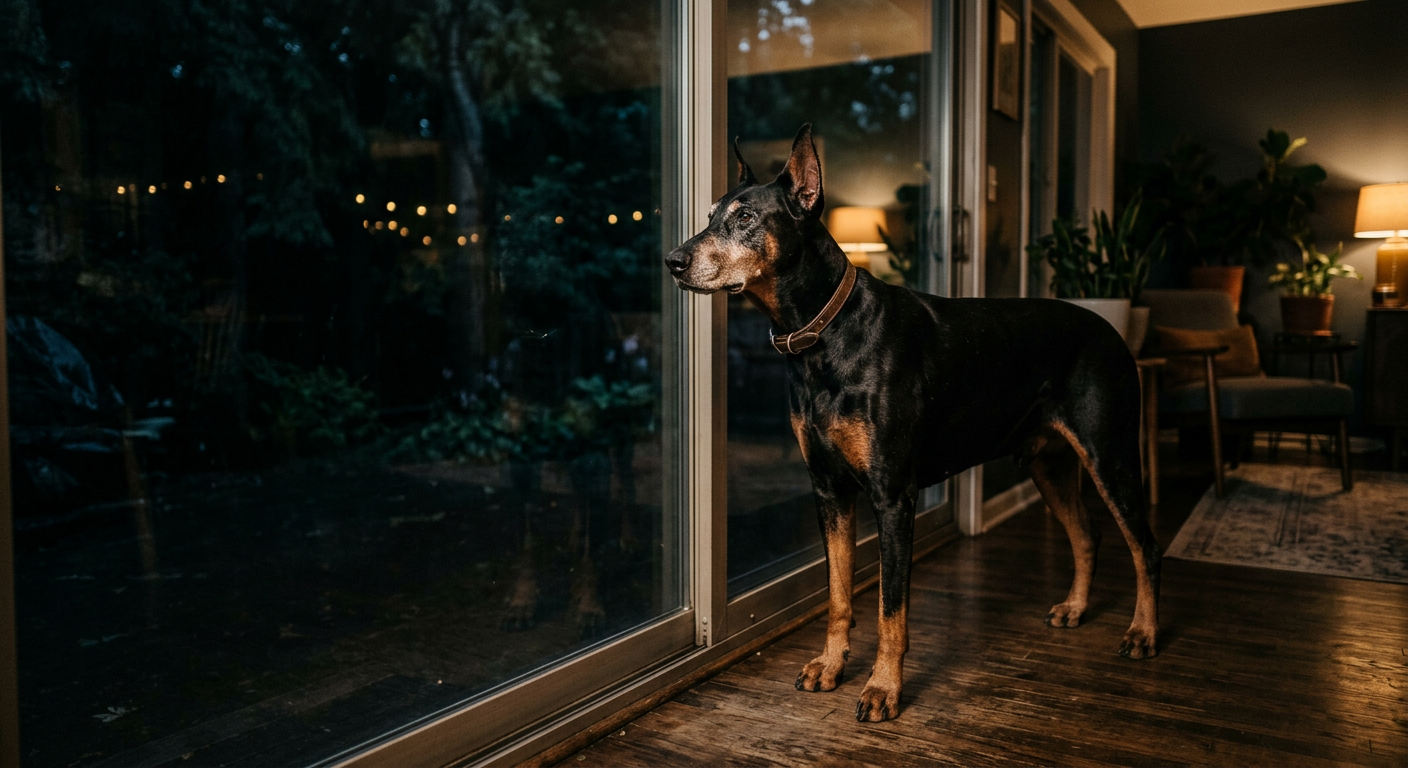
The night is not as quiet as we think it is. Low-frequency noises, nocturnal wildlife, or even a neighbor’s new security light can cause a dog to feel uneasy. If your pet experiences nighttime anxiety, they may lose control of their bowels or feel too fearful to ask to go outside into the dark yard.
Changes in the household can also trigger these episodes. A new baby, a different work schedule, or moving furniture can disrupt a dog's sense of security. When stress levels rise, the body's digestive system often reacts, leading to a phenomenon where the dog suddenly poops inside at night only because that is when their anxiety peaks.
- New Noises: Construction nearby or a new appliance humming can disturb their sleep.
- Separation Anxiety: If the dog is recently barred from the bedroom, they may react to the isolation.
- Lighting: Some dogs develop a fear of the dark or poor night vision as they age.
Analyzing the Evening Routine
To solve the mystery of nighttime accidents, take a close look at what happens in the four hours before bed. The timing of the last meal is often the most critical variable. If you feed your dog late in the evening, their body will naturally need to eliminate several hours later, which often falls right in the middle of your sleep cycle.
Exercise also plays a role in moving things along. A vigorous play session right before bed can stimulate the colon. While exercise is great for wellness, timing it too close to sleep might be the reason for the midnight mess. You can read more about understanding pee and poop patterns in dogs to see how activity levels influence their schedule.
Adjusting Feeding Times
If your dog currently eats at 7:00 PM, try moving the meal to 5:00 PM. This gives the digestive system ample time to process the food so the dog can "empty out" during their final walk of the night. Ensure they have a very productive bathroom break right before the house is locked up for the evening.
The Importance of the Last Walk
A "business only" walk right before you go to bed is essential. Make sure the dog actually eliminates during this time. Some dogs get distracted by smells and forget to finish their business, leading to an accident later. If your dog has a habit of circling, you might wonder why does my dog circle so many times before finally settling; this is a natural instinct to find the right spot and check for safety.
Behavioral Training and Management
If health issues are ruled out by your veterinarian, you may need to revisit basic house-training. Treating the situation as if you have a new puppy can help reset the dog's expectations. This might involve using a crate at night or restricting their access to only one room where they feel safe and are less likely to soil their sleeping area.
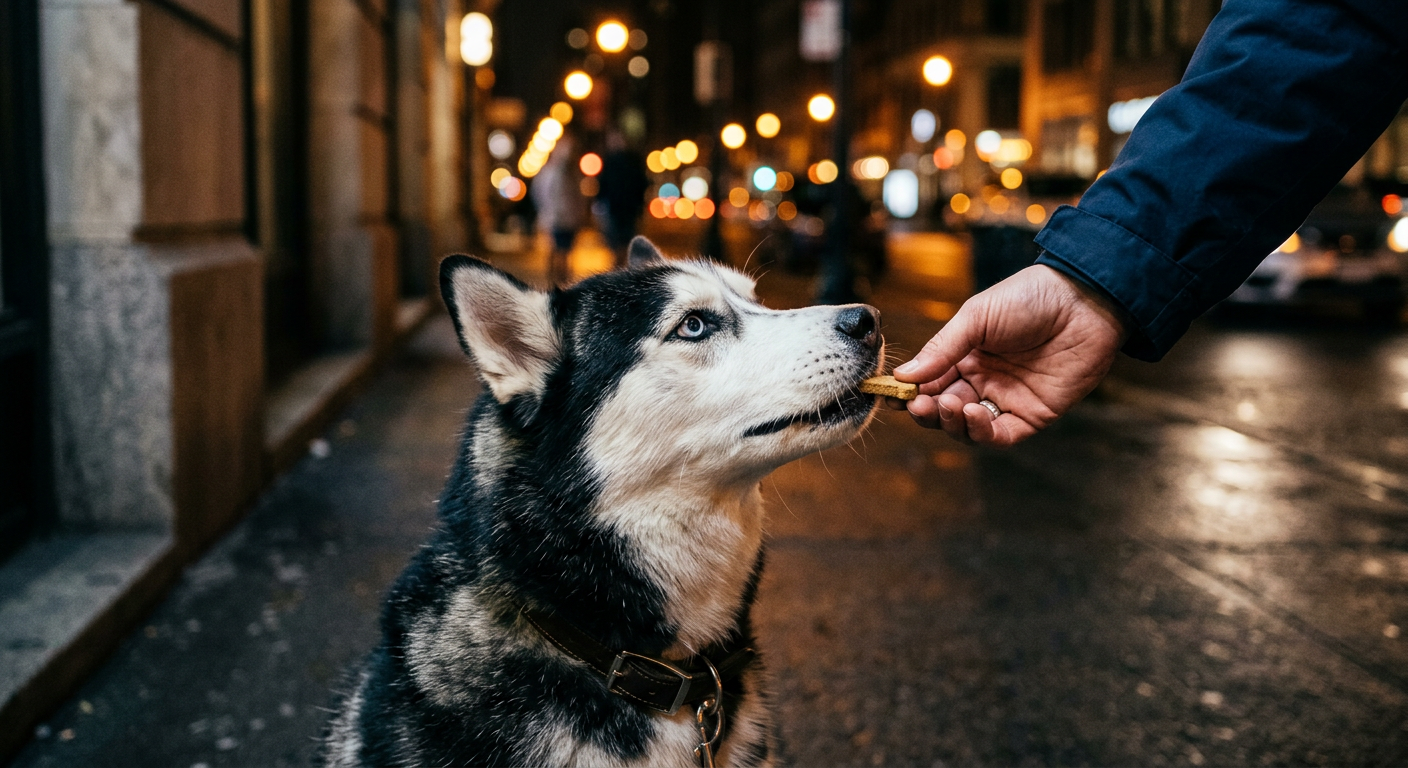
Positive reinforcement is key. When your dog successfully goes outside late at night or early in the morning, give them high-praise and a small treat. Avoid scolding them for accidents you find in the morning; dogs cannot connect a past action with a current punishment, and it may only increase their nighttime anxiety.
Using Confinement Temporarily
Crate training is one of the most effective ways to manage nighttime accidents. Most dogs have a natural instinct to keep their sleeping quarters clean. If the dog is in a comfortable crate, they are more likely to whine or bark to alert you that they need to go out, rather than simply moving to a different corner of the room to relieve themselves.
Monitoring with Technology
Consider using a pet camera to see what happens right before the accident. Does the dog wake up suddenly because of a noise? Do they pace for a long time? Understanding the "lead-up" can tell you if the issue is a physical one (sudden urge) or a behavioral one (pacing and restlessness). This data is incredibly helpful to share with your veterinarian during a wellness check.
When to Consult Your Veterinarian
While many cases of a dog suddenly pooping inside at night only can be managed with routine changes, some require professional medical intervention. If you notice blood in the stool, significant changes in appetite, or if the dog seems lethargic during the day, please schedule an appointment as soon as possible.
Conditions such as intestinal parasites, food allergies, or inflammatory bowel disease can all manifest as a loss of bowel control. Your vet can run simple tests to rule these out. For owners of specific breeds, it may be helpful to compare the health traits of different breeds to see if your pet has a genetic predisposition to certain digestive sensitivities.
Proactive Steps for a Clean Home
In the meantime, focus on cleaning any accident spots with an enzymatic cleaner. Regular household cleaners might remove the scent for humans, but dogs can still smell the pheromones, which marks the area as a "permitted" bathroom spot. Removing these scent markers is vital to breaking the cycle.
Be patient with your companion. Changes in behavior are a form of communication. By adjusting their schedule, ensuring their comfort, and seeking veterinary advice, you can help your dog return to their usual habits. A smooth nighttime routine benefits both the pet and the owner, leading to a happier, cleaner home for everyone involved.
Remember that every dog is an individual. What works for a high-energy Border Collie might be different for a relaxed Bulldog. By staying observant and proactive, you can address the reason your dog suddenly poops inside at night only and restore the harmony of your household.