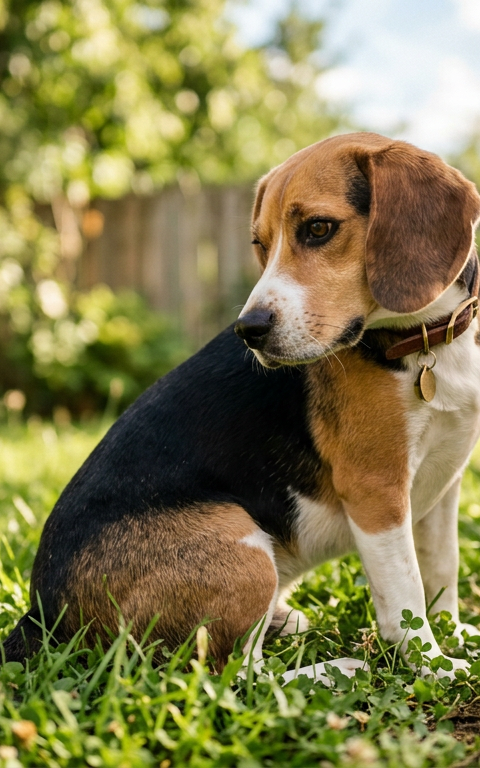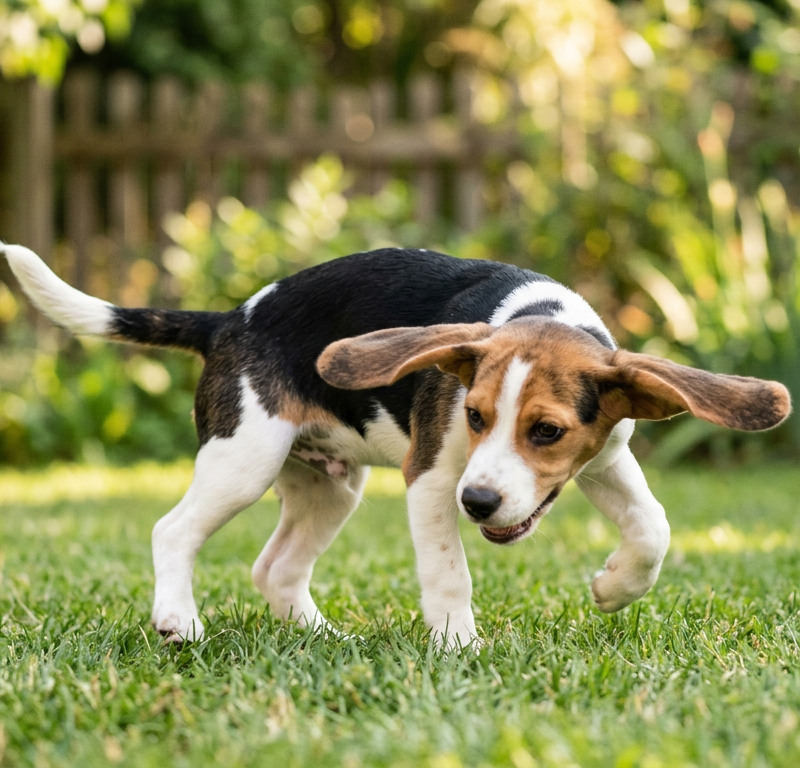
Every dog owner has experienced the "pre-potty dance." You are standing outside in the cold or rain, waiting for your furry friend to find the perfect spot, but they just keep spinning. You might find yourself asking, why does my dog circle so many times before pooping? This curious behavior is actually a blend of ancestral survival instincts, physical necessity, and surprising biological alignment with the Earth itself.
Watching your dog spin in circles can be amusing or even a little frustrating when you are in a hurry. However, to your dog, this is a serious ritual that ensures their safety and comfort. By understanding the reasons behind the spin, we can better appreciate the complex ways our pets interact with their environment during their most vulnerable moments.
The Ancestral Need for a Safe Space
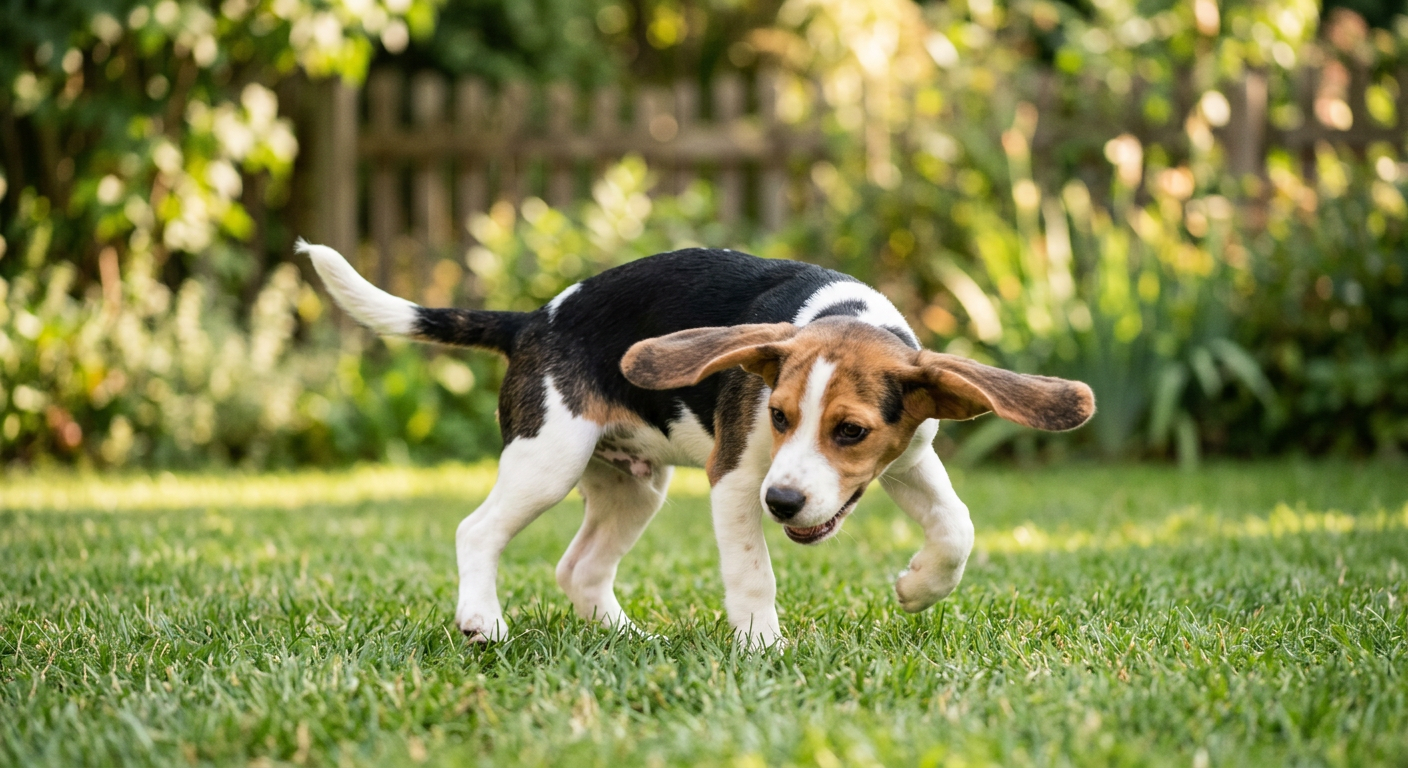
Long before dogs had manicured lawns and comfortable beds, their ancestors lived in the wild. In those environments, tall grass, prickly weeds, and hidden debris were constant obstacles. One of the primary reasons for the circling behavior is habitat preparation.
By spinning in a circle, a wild dog would effectively trample down tall grass or snow. This created a flat, stable surface for them to balance on while they did their business. It also cleared away any potential hidden threats, such as snakes, stinging insects, or sharp sticks that could cause injury during a moment of vulnerability.
Creating a Clean Perimeter
Another aspect of this "nesting" behavior is hygiene. Trampling the grass helps push down vegetation that might otherwise brush against the dog during the process. This keeps their fur cleaner and ensures that the waste settles directly onto the ground rather than getting caught in the foliage.
For more insights into how your pet manages their bathroom breaks, you can read our guide on understanding pee and pooping patterns in dogs. This behavior is just one piece of the puzzle in their daily routine.
The Magnetic Connection to the Earth
One of the most fascinating scientific theories regarding why dogs spin before pooping involves the Earth's magnetic field. A study published in the journal Frontiers in Zoology suggests that dogs may have a sense of magnetoreception. Researchers observed that dogs prefer to align their bodies along a North-South axis when the magnetic field is stable.
The theory suggests that by circling, dogs are actually calibrating their internal compass. By feeling the magnetic pull, they choose an orientation that feels "right" to them. While this might seem like science fiction, many animals, including migratory birds and sea turtles, use the Earth's magnetic poles to navigate.
Why Direction Matters
Why would a dog care about North or South? It may be a way of "spatial marking." By aligning themselves consistently, dogs might be creating a mental map of where they have left their scent. This helps them navigate back to important spots or communicate more effectively with other dogs in the neighborhood through their scent markers.
Checking the Perimeter for Predators
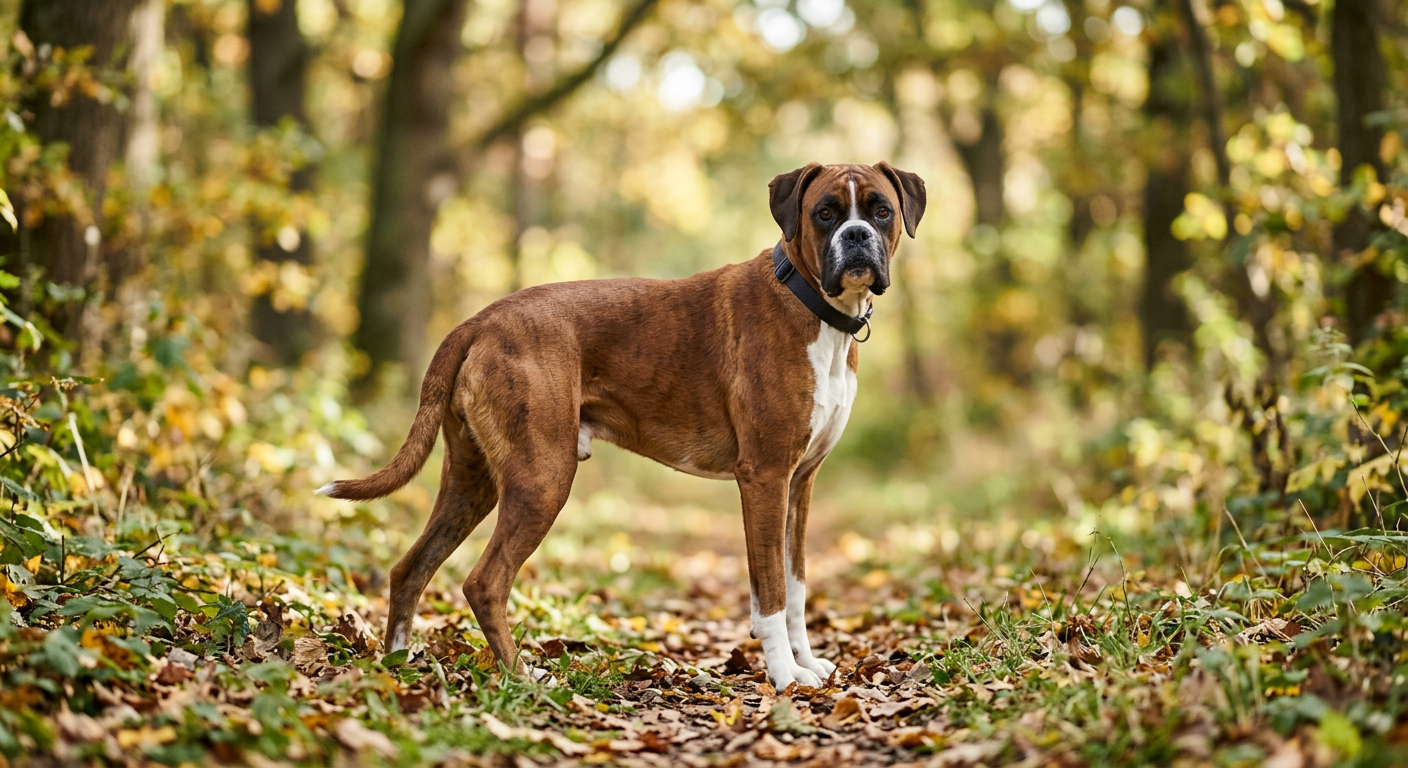
When a dog is in the middle of elimination, they are in a highly vulnerable physical position. They cannot easily run away or defend themselves if a predator were to strike. This is why many dogs look directly at their owners during this time—they are checking with you to see if the coast is clear.
Circling allows the dog to scan their surroundings one last time. By doing a full 360-degree rotation, they can spot potential threats from any direction. If they detect movement or a strange scent during the spin, they may stop entirely and move to a different location where they feel more secure.
The Role of Scent Communication
Beyond safety, circling helps spread the dog's unique scent. Dogs have scent glands in their paws, and the act of trampling the grass or scratching the ground helps release pheromones. This tells other dogs exactly who was there and when, acting like a social media check-in for the canine world.
The Physical Mechanics of Elimination
Sometimes, the reason for the spin is purely physiological. Just as humans might walk around to get things "moving" internally, a dog's circling can help stimulate their digestive tract. The physical movement of the body and the shifting of weight can signal to their system that it is time to go.
- Internal Stimulation: The twisting motion helps guide waste through the colon.
- Scent Gland Activation: Paws release scents that mark the area as theirs.
- Balance Finding: It helps the dog find the most level ground to maintain a steady squat.
If you have a larger breed, such as a Great Dane, their size may make finding the right balance even more important. You can check how your large or small breed is aging with our Great Dane age calculator to ensure they stay active and healthy throughout their life stages.
When Should You Worry About Circling
While circling is a normal part of dog behavior, it is important to watch for changes in the routine. Most dogs have a "standard" number of spins. If your dog suddenly starts spinning excessively, seems distressed, or spends a long time straining without success, it may be a wellness consideration worth discussing with a professional.
Proactive care is the best way to ensure your dog's digestive health. If the circling is accompanied by pacing, whining, or changes in stool consistency, a vet visit is the best course of action. Generally, however, a few circles are just your dog's way of feeling "at home" in their environment.
Breed Variations in Potty Habits
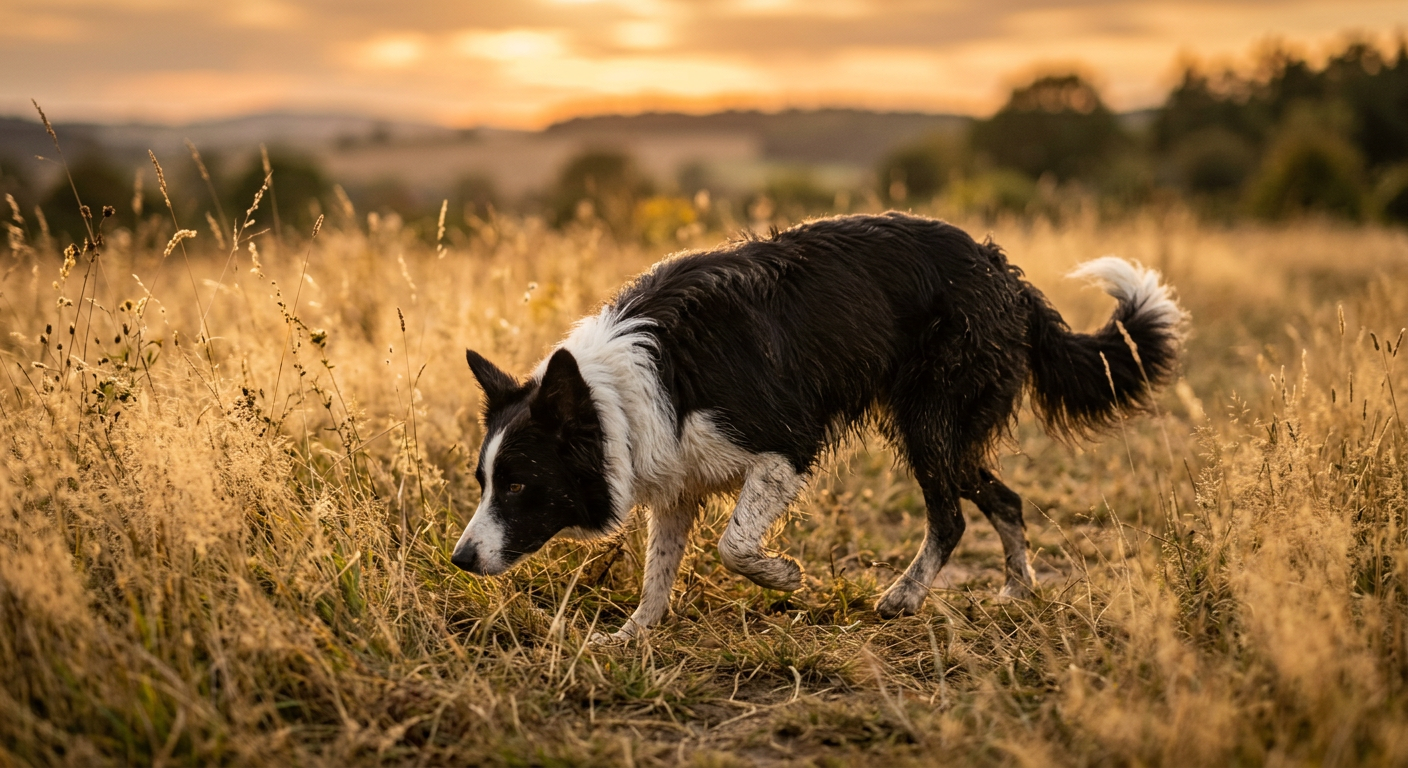
Do some breeds spin more than others? While individual personality plays the biggest role, certain breeds with high instinctual drives may be more prone to elaborate rituals. For example, a German Shepherd might be more diligent about patrolling their perimeter than a more relaxed breed. You can see how these breeds differ in other traits by visiting our comparison of the French Bulldog vs Poodle to understand different breed temperaments.
Individual Quirks and Habits
Just like people, dogs develop habits over time. If a dog was praised for going in a specific spot as a puppy, they might spin more while trying to find that exact square inch of grass again. It becomes a comforting habitual loop that helps them focus on the task at hand.
Summary of the Spin
So, why does my dog circle so many times before pooping? It is a combination of instinct, science, and physical necessity.
- They are flattening the area for comfort and hygiene.
- They are checking for hidden dangers in the grass.
- They are aligning their bodies with the Earth's magnetic field.
- They are stimulating their bowels for an easier transition.
- They are marking their territory with scent glands in their paws.
The next time you find yourself waiting on the sidewalk while your dog performs their elaborate ritual, remember that they are simply following a deep-seated biological program. It is their way of ensuring their safety and maintaining their connection to the natural world. As long as your dog is healthy and comfortable, the "pre-poop spin" is just another charming quirk that makes your canine companion so unique.