Noticing your dog pooping very small amounts for days can be a puzzling experience for any pet parent. While we often focus on the frequency of bathroom breaks, the volume and consistency of your dog's stool are equally important indicators of their overall digestive wellness. When a dog consistently produces tiny amounts of waste, it often suggests that something is slowing down or obstructing the natural flow of their digestive system.
Understanding these patterns helps you provide the best proactive care for your furry friend. In most cases, these small deposits are a sign that the body is working through a minor adjustment, but staying observant is key. By monitoring their behavior alongside these changes, you can better communicate with your veterinarian to ensure your dog stays comfortable and healthy.
Common Reasons for Reduced Stool Volume
There are several reasons why a dog might start producing smaller-than-usual stools. One of the most common factors is dietary fiber. If a dog’s diet is lacks sufficient bulk, the stool may become small, hard, and difficult to pass. Conversely, a diet that is extremely high in digestible nutrients might result in less waste overall, though this usually happens gradually rather than suddenly.
Hydration also plays a massive role in how waste moves through the intestines. When a dog is slightly dehydrated, their colon absorbs more water from the waste, resulting in small, firm pellets. Ensuring your dog has constant access to fresh water is a simple yet effective way to support their digestive health. You might also notice this pattern if your dog has recently experienced a change in their exercise routine, as physical activity helps stimulate intestinal contractions.
The Role of Dietary Changes
If you have recently switched your dog's food, their body may be adapting to the new nutrient profile. High-quality "low-residue" diets are designed to be highly absorbable, which naturally leads to smaller stools. However, if the change was abrupt, it might cause mild constipation, leading to the production of very little waste over several days.
Understanding Constipation and Obstipation
When your dog is pooping tiny amounts frequently, it could be a sign of constipation. This occurs when stool moves too slowly through the digestive tract. The longer the waste stays in the colon, the drier and smaller it becomes. You might notice your dog straining slightly or spending more time than usual finding the perfect spot to go.
In more significant cases, dogs may experience obstipation. This is a form of severe constipation where the stool becomes so dry and hard that the dog cannot pass it at all, or only passes tiny bits of liquid or small fragments. If you notice your dog circling frequently but producing very little, it is helpful to look at why does my dog circle so many times before pooping to differentiate between normal behavior and discomfort.
- Straining: If your dog looks like they are trying hard but nothing comes out.
- Frequency: Going many times a day but only producing small pebbles.
- Consistency: Stools that are exceptionally hard, dry, or crumbly.
- Appetite: A slight decrease in interest in food due to feeling "full."
Potential Wellness Considerations
Sometimes, producing very little waste is a secondary symptom of another wellness consideration. For example, older dogs, such as a senior German Shepherd, may experience a slowing metabolism or age-related changes in muscle tone that make elimination less efficient. In male dogs, an enlarged prostate can sometimes press against the rectum, making it difficult for large stools to pass, resulting in thin or small amounts of waste.
Another possibility is the ingestion of non-food items. If a dog swallows a small piece of a toy or fabric, it may not cause a total blockage but can act as a "speed bump" in the digestive tract. This allows only small amounts of waste to move past the object. If you suspect your dog has eaten something they shouldn't have, it is always best to consult your veterinarian for an exam.
Environmental and Stress Factors
Dogs are creatures of habit. A change in their environment, such as a move to a new house or a loud construction project nearby, can cause stress. This stress sometimes manifests as a "nervous stomach" or a temporary slowing of the digestive system. We see this often in sensitive breeds like the Boxer or Poodle, who may hold their bowels if they don't feel completely safe in their environment.
When to Consult Your Veterinarian
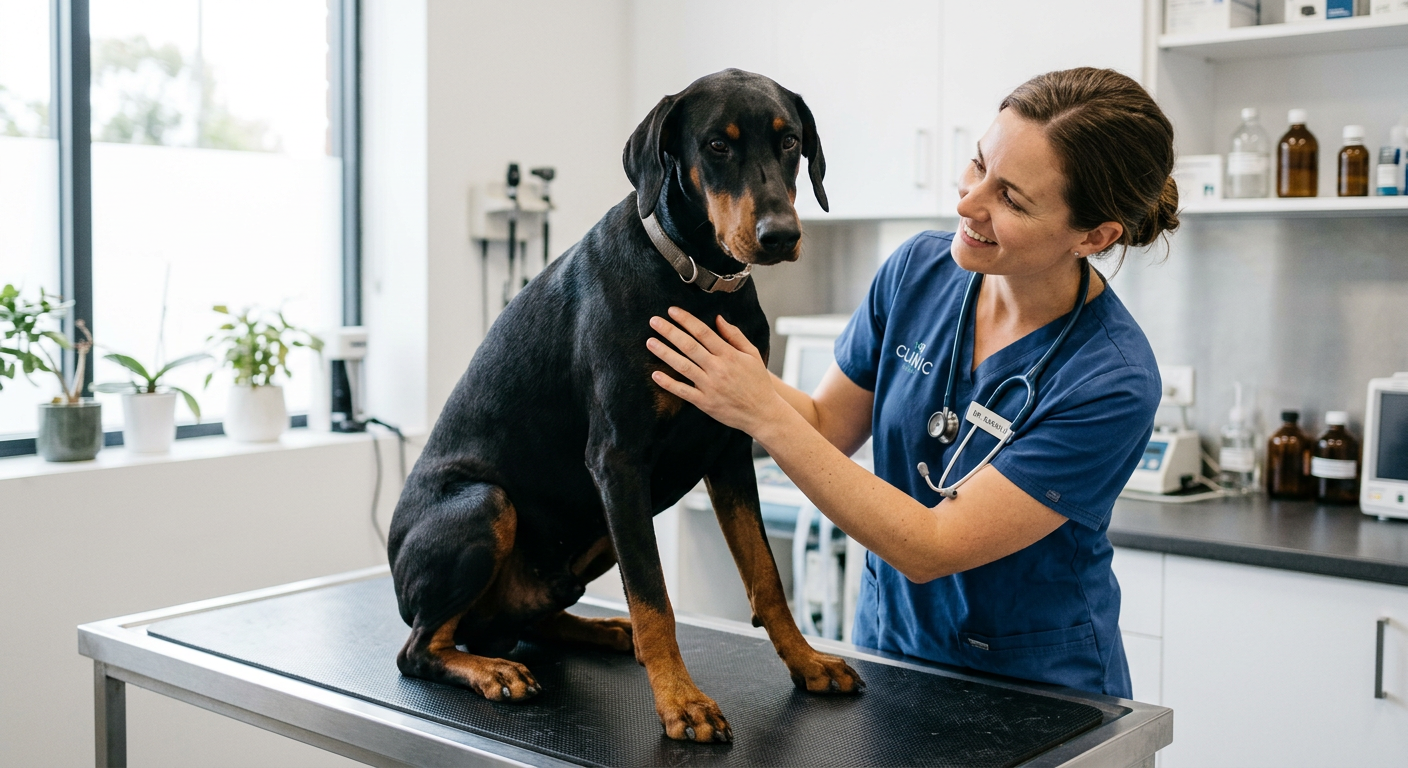
While a day or two of small stools might not be an emergency, consistency is key. If your dog has been producing tiny amounts for more than three days, a professional opinion is recommended. A veterinarian can perform a physical exam to check for any underlying issues and may suggest a simple solution like a stool softener or a specific fiber supplement.
Be prepared to describe the stool's appearance. Is it hard like a rock, or is it soft but just small? Does it contain any mucus or blood? Understanding understanding pee and poop patterns in dogs can help you provide a detailed history to your vet, which makes diagnosis much faster and easier for your pup.
Supporting Healthy Digestion at Home
There are several ways you can support your dog’s digestive wellness through proactive care. First, ensure they are getting plenty of exercise. A brisk walk or a game of fetch can "wake up" the digestive system and encourage normal bowel movements. Physical movement is one of the most natural ways to keep the intestines working efficiently.
Adding a little moisture to their food can also help. Whether it's a splash of water, low-sodium broth, or a spoonful of plain canned pumpkin (not pie filling!), extra hydration and fiber can make a significant difference. Pumpkin is a fantastic natural regulator because it contains both soluble and insoluble fiber, which helps move things along gently.
Maintaining a Routine
Consistency in feeding times and walk schedules helps regulate your dog's internal clock. When a dog knows exactly when they will be going outside, their body often responds by staying on a regular elimination schedule. If you find your dog suddenly pooping inside at night only, it may be a sign that their daytime schedule needs adjustment to help them fully empty their bowels during the day.
Summary of Proactive Steps
Observing your dog pooping very small amounts for days is a great opportunity to check in on their overall lifestyle. By focusing on hydration, high-quality nutrition, and regular exercise, you can resolve most minor digestive slowdowns. Remember that every dog is unique, and what is normal for one may be different for another.
Stay attentive to your dog's body language and comfort levels. If they seem happy, energetic, and are eating well, the small stools may just be a temporary phase. However, your veterinarian is always your best resource for ensuring your pet feels their absolute best. With a little extra care and attention, your dog will be back to their regular self in no time.