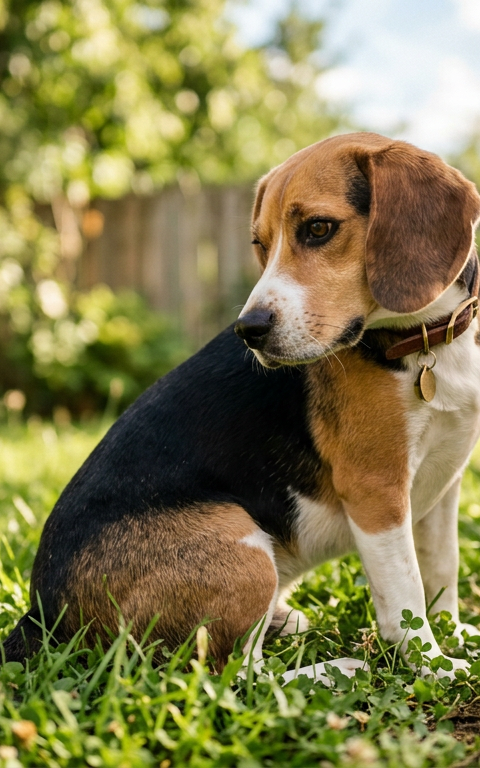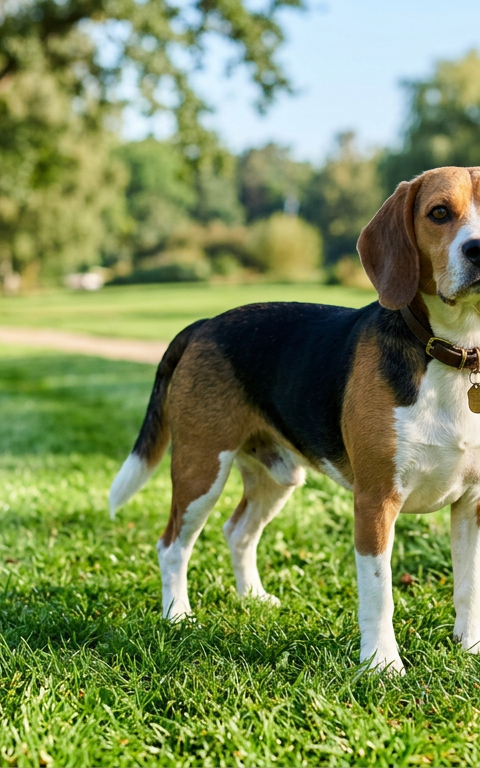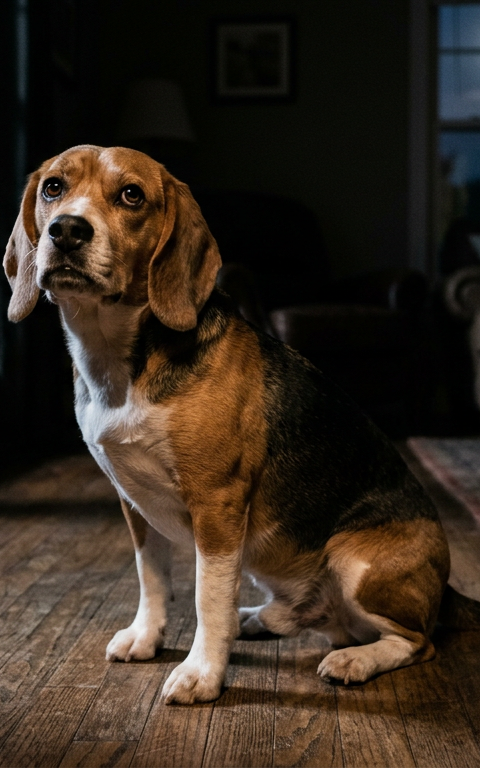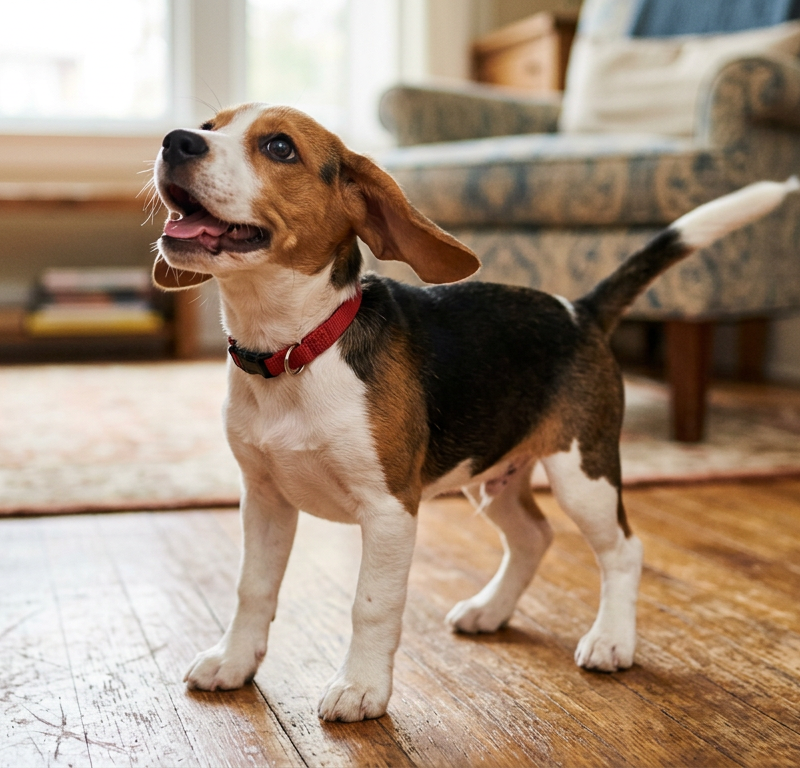
Coming home to a wagging tail and a happy dance is one of the best parts of being a pet parent. However, if your canine companion greets you with a small puddle on the floor, you might be wondering, why does my dog pee when excited to see me? This common behavior, often seen in puppies and high-energy breeds, can be a bit of a cleanup challenge, but it is rarely a sign of a serious health issue.
Understanding the root cause of this behavior is the first step toward managing it. Usually, this occurs because your dog’s emotional state overrides their physical control. By looking at the biology and psychology behind these "happy leaks," we can help our dogs feel more relaxed and keep our floors dry.
Excitement Urination Versus Submissive Urination
It is important to distinguish between excitement urination and submissive urination. While they look similar, they stem from different emotional places. Excitement urination happens during high-energy moments like greetings or playtime, where the dog simply loses control of their bladder muscles due to pure joy.
Submissive urination, on the other hand, is a social signal. Your dog may tuck their tail, lower their body, or roll over while urinating to show they recognize you as the leader. Both behaviors are common in young dogs whose physical development hasn't quite caught up to their social instincts.
The Role of Puppy Development
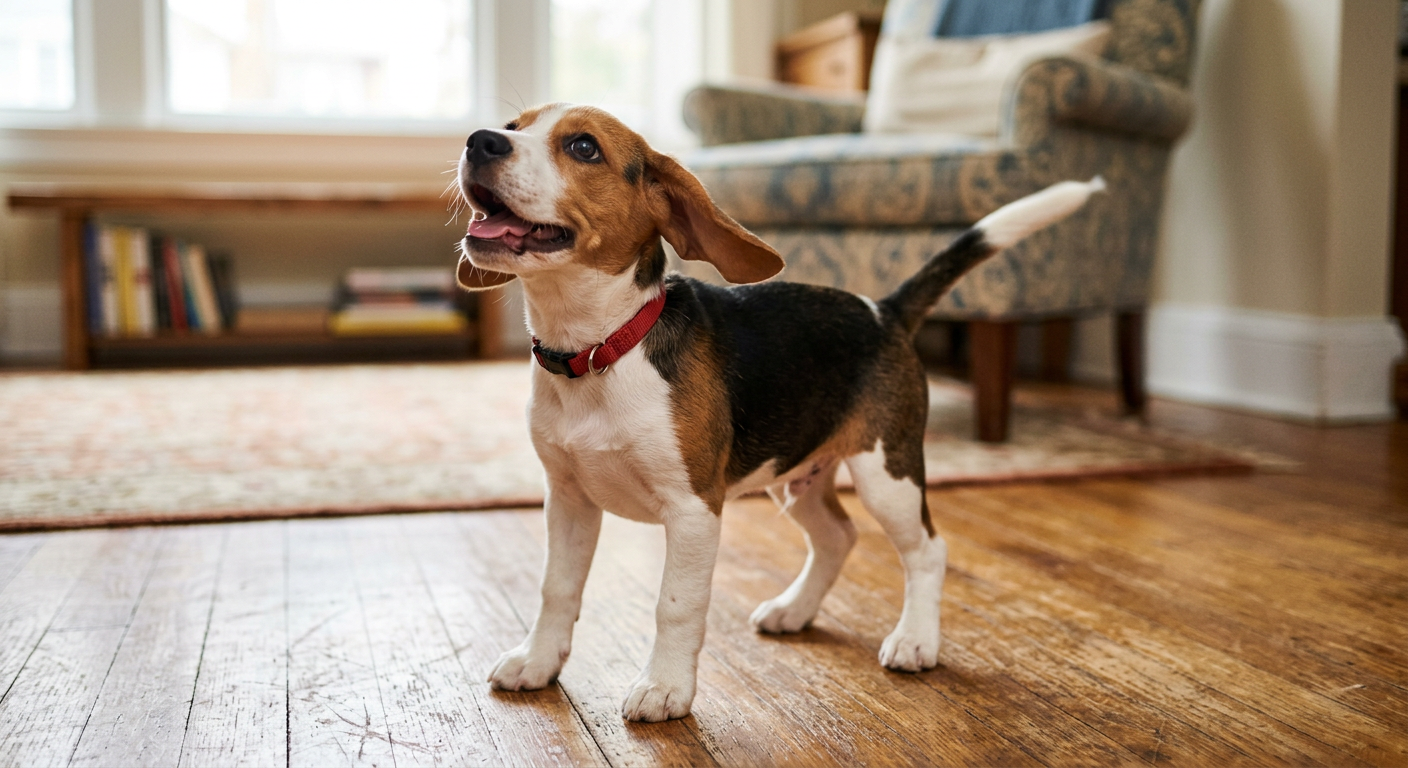
Puppies are the most frequent practitioners of this habit. Their bladder sphincters are not fully developed, and their emotional regulation is still in its infancy. As they grow and gain better muscle tone, most dogs naturally outgrow the tendency to leak when they are thrilled.
For breeds that mature more slowly, such as the Border Collie, this phase might last a little longer. If you notice your pup struggling with potty training in general, you might want to read more about understanding pee and poop patterns in dogs to see if there is a broader trend at play.
Biological Factors in Playful Greeting Leaks
When a dog gets extremely stimulated, their nervous system goes into overdrive. This "fight or flight" system—even when activated by happiness—can cause the muscles that hold urine back to relax momentarily. It is essentially a physical response to an emotional peak.
Some dogs may also have smaller bladders or anatomical predispositions. For example, if you compare the French Bulldog vs Poodle, you might find differences in how they express energy and hold their bladder during high-stakes social interactions.
Is It a Medical Concern?
While most greeting leaks are behavioral, it is always wise to rule out medical issues. Urinary tract infections (UTIs), bladder stones, or age-related incontinence can make it harder for a dog to "hold it" when they are excited. If the behavior starts suddenly in an adult dog, a quick vet check-up is a proactive wellness step.
Strategies to Reduce Excitement Leaking
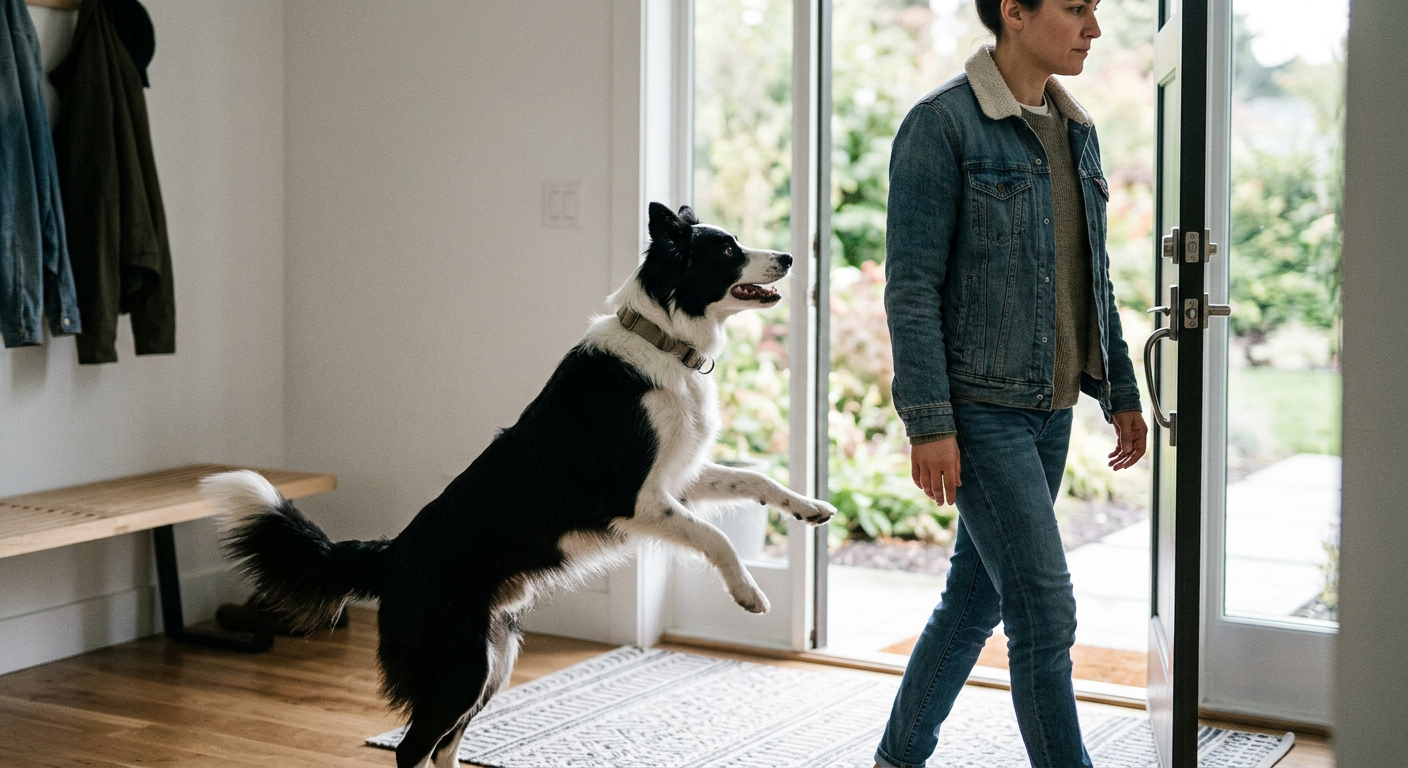
The best way to address the question of why your dog pees when they are happy to see you is to manage the environment and the intensity of the greeting. By lowering the "volume" of your arrival, you help your dog stay below the threshold where they lose bladder control.
- Keep Greetings Calm: When you walk through the door, ignore your dog for the first few minutes. No eye contact, no high-pitched talking, and no petting until they have settled down.
- Keep Your Voice Low: Use a soft, calm tone when you finally do acknowledge them. High-pitched "baby talk" often triggers the exact excitement that leads to a puddle.
- Redirect Their Energy: As soon as you enter, toss a favorite toy or a few treats on the ground. This gives the dog something to focus on other than their intense joy at your arrival.
- Take it Outside: If possible, meet your dog in the yard or take them out immediately upon arriving home. If they empty their bladder outdoors, there is nothing left to leak inside.
Desensitization Exercises
You can help your dog practice being calm when people enter. Have a friend or family member ring the doorbell or walk in and out multiple times. Reward your dog for staying seated or remaining calm. Over time, the "event" of someone coming home becomes less of an emotional spike.
Common Mistakes to Avoid
One of the most important things to remember is never to punish your dog for excitement urination. Your dog isn't being "bad" or "spiteful." In fact, scolding them can actually make the problem worse. If the dog perceives your anger, they may transition into submissive urination to appease you, leading to even more frequent accidents.
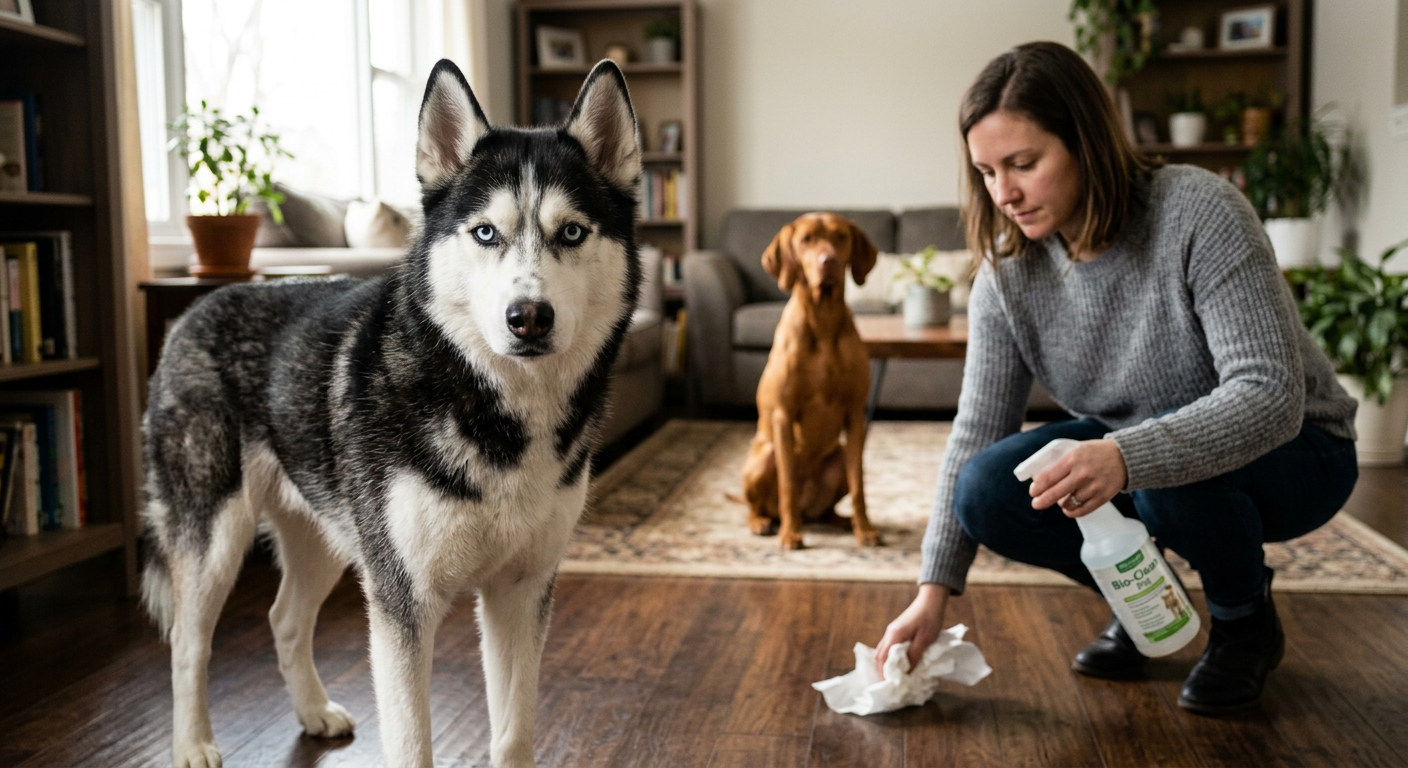
Punishment increases anxiety, and an anxious dog has even less control over their bodily functions. Instead, stay neutral. If an accident happens, quietly clean it up with an enzymatic cleaner to remove the scent and continue with your calm greeting routine next time.
The Long-Term Outlook for Your Dog
For the vast majority of dogs, this is a temporary phase. As they reach social maturity and physical adulthood, their ability to regulate their emotions and their bladder muscles will improve. Patience is your best tool during this time.
If you have an older dog who has suddenly started pooping or peeing inappropriately at night or during greetings, it might be worth investigating other behavioral changes. You can learn more about these shifts in our guide on why a dog is suddenly pooping inside at night only, as some management strategies for nighttime accidents can also apply to daytime excitement.
Conclusion
So, why does my dog pee when excited to see me? It is simply a physical manifestation of their immense love and lack of impulse control. By keeping your greetings low-key, ruling out medical issues with a veterinarian, and giving your pup time to mature, you can help them stay dry. Remember that your dog’s enthusiasm is a compliment—they just need a little help learning how to handle all that big emotion without the little puddles.