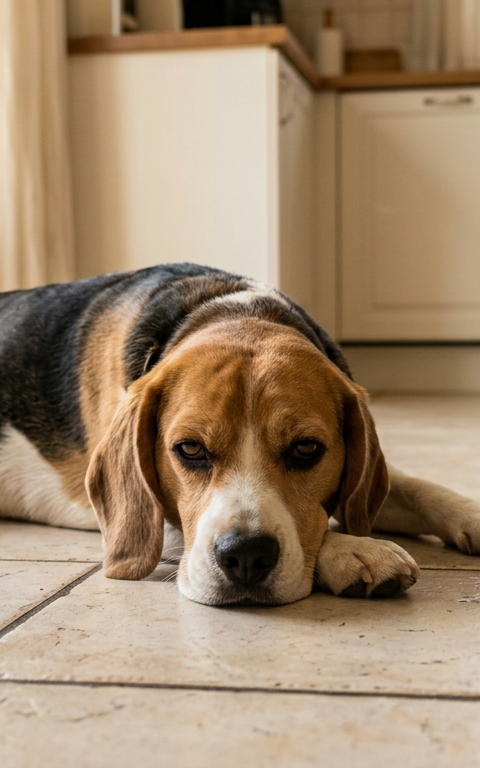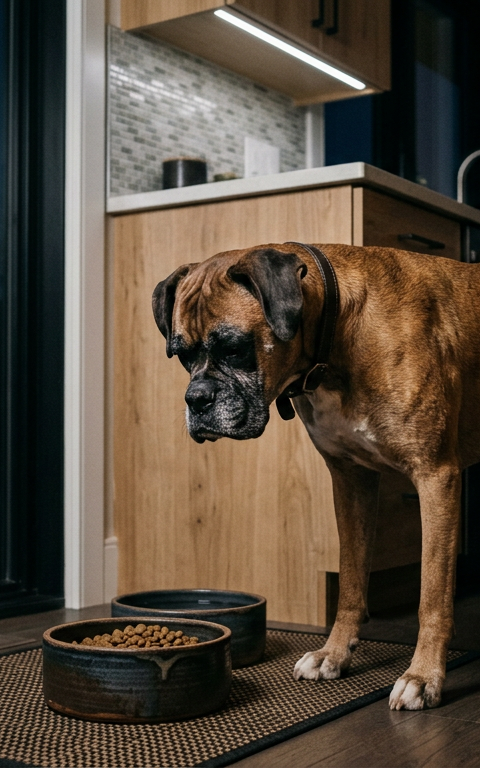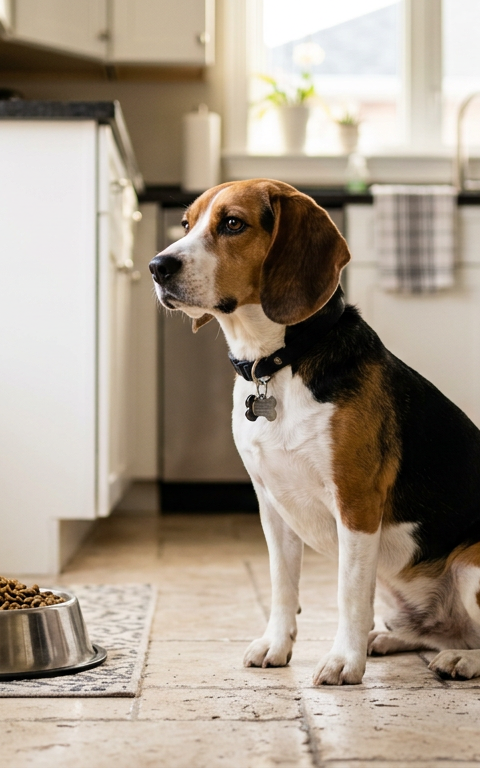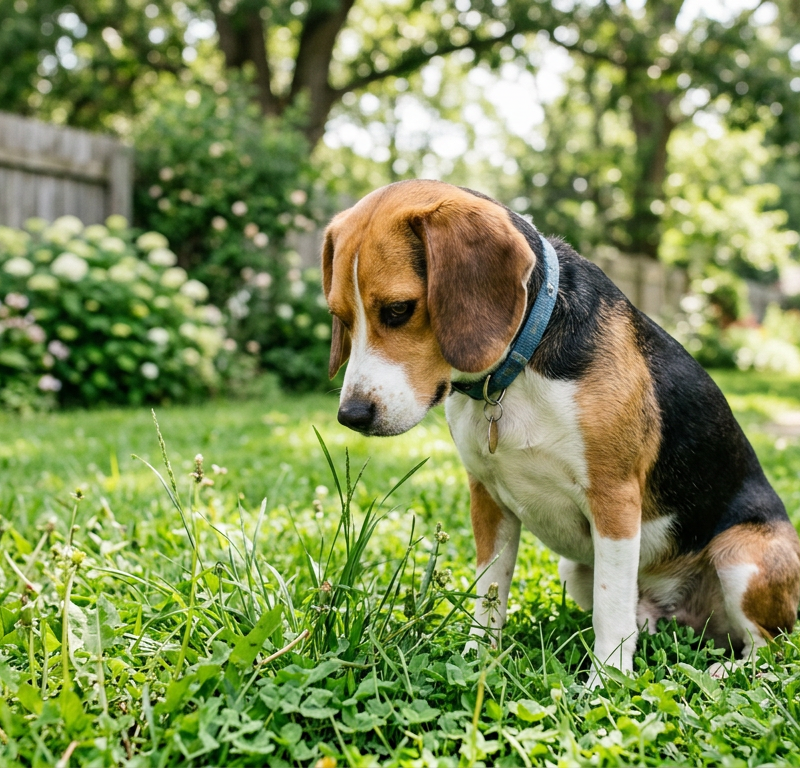
It can be quite a shock when a well-behaved adult dog begins a habit you thought was long behind them. Understanding why a dog eating poop suddenly after years of not happens is the first step toward addressing the behavior with patience and care. While this habit, known scientifically as coprophagia, is common in puppies, its sudden appearance in an older dog often signals a change in their internal or external environment.
Pet parents often feel concerned or even frustrated when this occurs, but it is important to remember that dogs interact with their world through scent and taste. Rather than a lapse in training, this new interest in feces is usually a form of communication or a response to a specific physical need. By looking closely at their diet, stress levels, and overall wellness, you can help your companion return to their usual clean habits.
In this guide, we will explore the common reasons for this behavioral shift and how you can proactively support your dog's digestive health. Whether it is a nutritional gap or an environmental change, most cases of adult-onset coprophagia can be managed successfully with the right approach and a little help from your veterinarian.
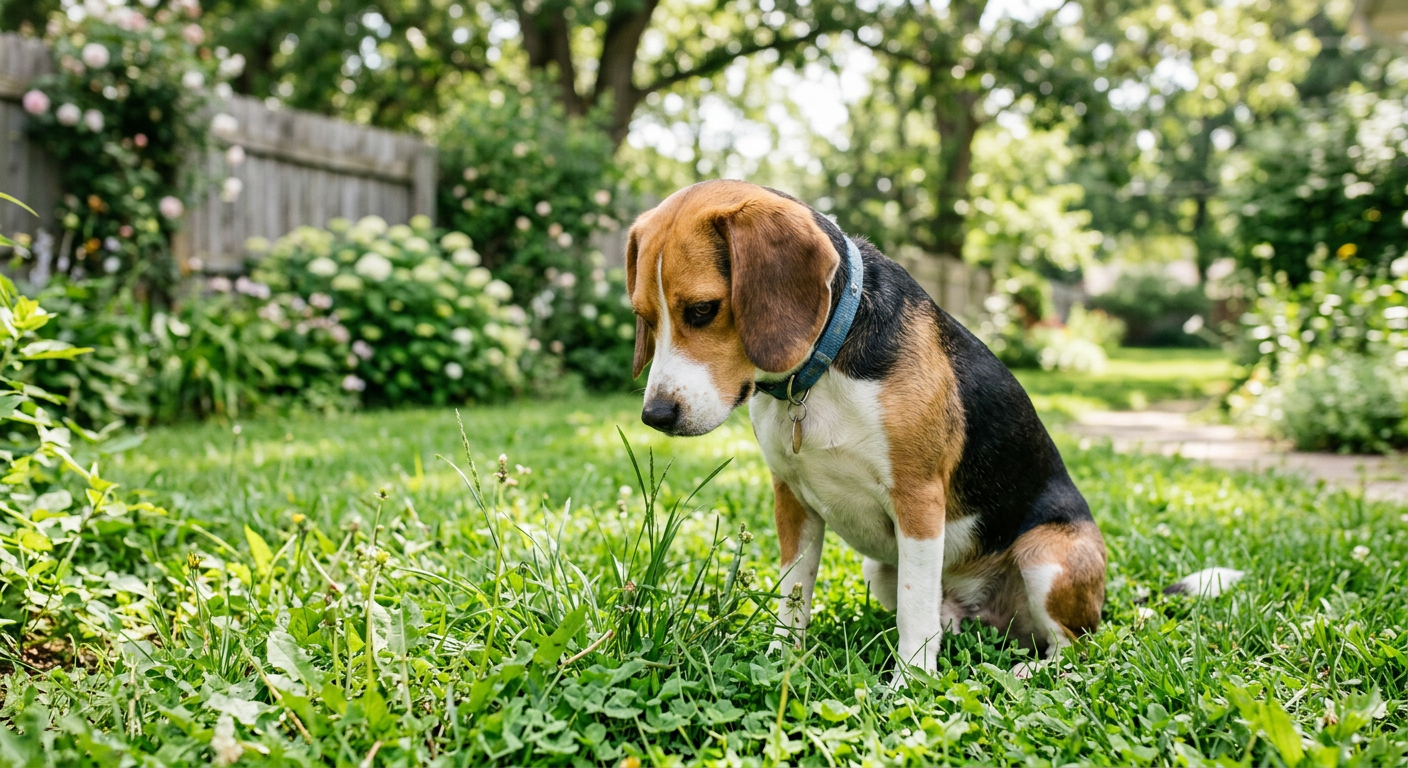
Nutritional Deficiencies and Digestive Wellness
One of the primary reasons an adult dog might start consuming waste is a lack of certain nutrients in their daily diet. If their body isn't absorbing enough vitamins or minerals, they may instinctively seek out external sources to fill the gap. This is particularly common if there has been a recent change in their food brand or formulation.
In some cases, the issue isn't what is in the food, but how the dog is processing it. If a dog has a condition that affects their enzyme production, they might not be breaking down their meals efficiently. This can lead to a cycle where the dog feels hungry or malnourished despite eating their regular portions, leading them to search for "undigested" nutrients elsewhere.
To better understand your dog's specific needs based on their life stage, you might find it helpful to use an age calculator to see how their nutritional requirements shift as they mature. Senior dogs, for example, often require diet adjustments to maintain healthy digestion and weight.
The Role of Digestive Enzymes
Digestive enzymes are crucial for breaking down proteins, fats, and carbohydrates. When these enzymes are lacking, the dog’s stool may still contain high levels of undigested food, which makes it "appealing" to the dog. Supporting their gut health with high-quality, easily digestible ingredients is a great first step in proactive care.
Environmental Stress and Behavioral Triggers
Dogs are creatures of habit, and significant changes in the household can lead to "displacement behaviors." If a dog is feeling anxious due to a move, a new pet, or a change in the family dynamic, they may resort to unusual habits like eating poop suddenly after years of not doing so. This is often a way for the dog to self-soothe or cope with environmental tension.
Boredom is another powerful motivator. An older dog who isn't getting as much mental stimulation or physical exercise as they used to may look for ways to entertain themselves during outdoor time. If they find that the behavior gets a big reaction from you—even a negative one—they might continue doing it just to get your attention.
Consider the following behavioral influences:
- Isolation or spending too much time alone in the yard.
- Restrictive confinement that leads to stress nearby their sleeping area.
- Living in a multi-pet household where "cleaning up" becomes a submissive or protective urge.
- A lack of interactive toys or scent-work games.
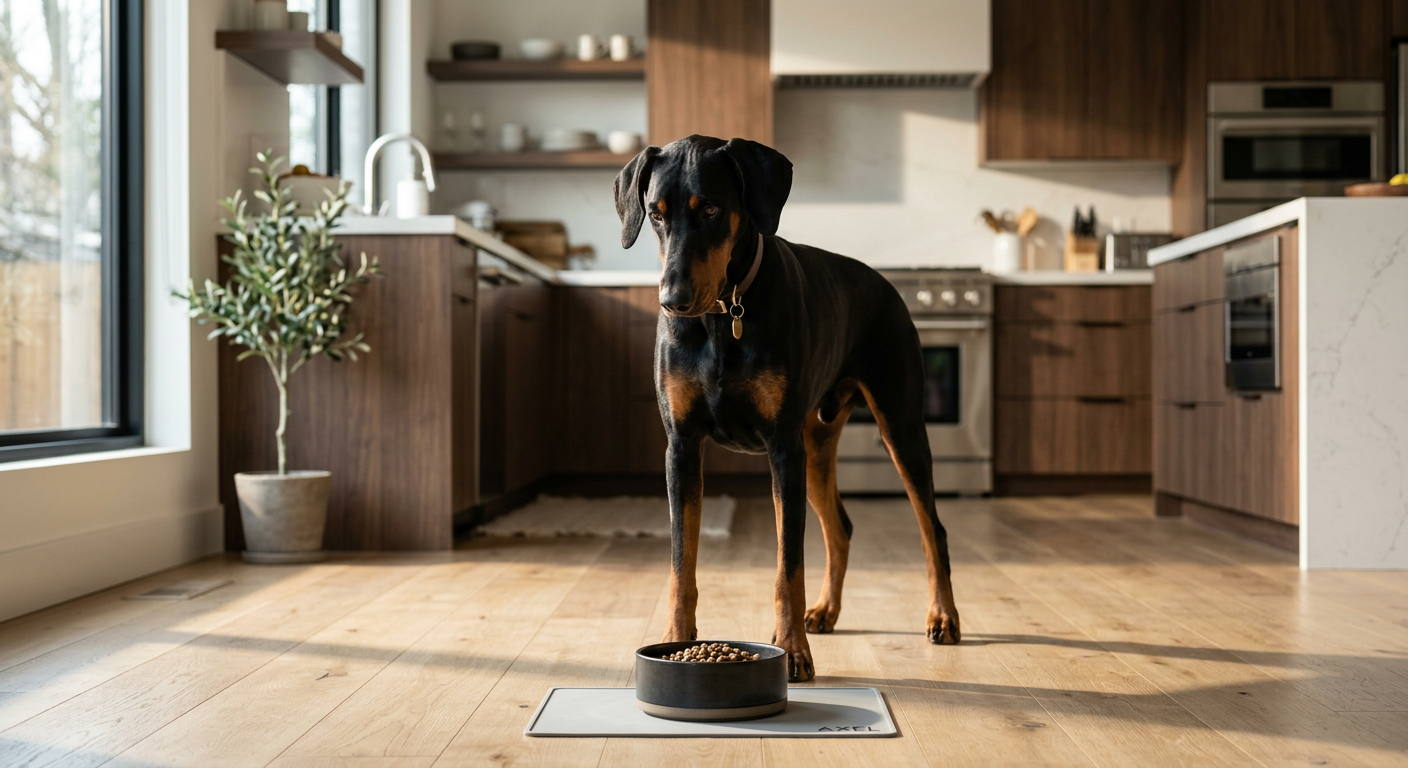
Underlying Health Considerations
When a behavior like this appears out of nowhere, it is always wise to consult a veterinarian to rule out medical causes. Certain conditions can increase a dog's appetite significantly, a symptom known as polyphagia. If a dog is constantly feeling a drive to eat, they may lower their standards for what they consider "food."
Conditions such as thyroid issues or certain hormonal imbalances can trigger this increased hunger. Additionally, internal parasites can rob a dog of necessary nutrients, leaving them feeling empty and searching for more. A quick check-up can ensure that your dog's internal systems are functioning as they should.
It is also worth noting that medications can sometimes affect a dog's appetite. If your pet has recently started a new treatment, keep an eye on their eating patterns and report any changes to your vet. You can learn more about decoding eating habits to differentiate between normal hunger and unusual cravings.
Metabolic Changes in Senior Dogs
As dogs move into their senior years, their metabolism slows down, but their ability to absorb nutrients may also decrease. This can lead to a "hidden hunger" where the dog is getting plenty of calories but not enough functional nutrition. Maintaining a consistent wellness schedule is vital during this transition.
Managing the Environment and Training
The most effective way to stop the behavior in the short term is management. Keeping the yard clean is the simplest way to prevent the habit from becoming ingrained. If the "opportunity" isn't there, the dog can't engage in the behavior, which helps break the mental cycle of the habit.
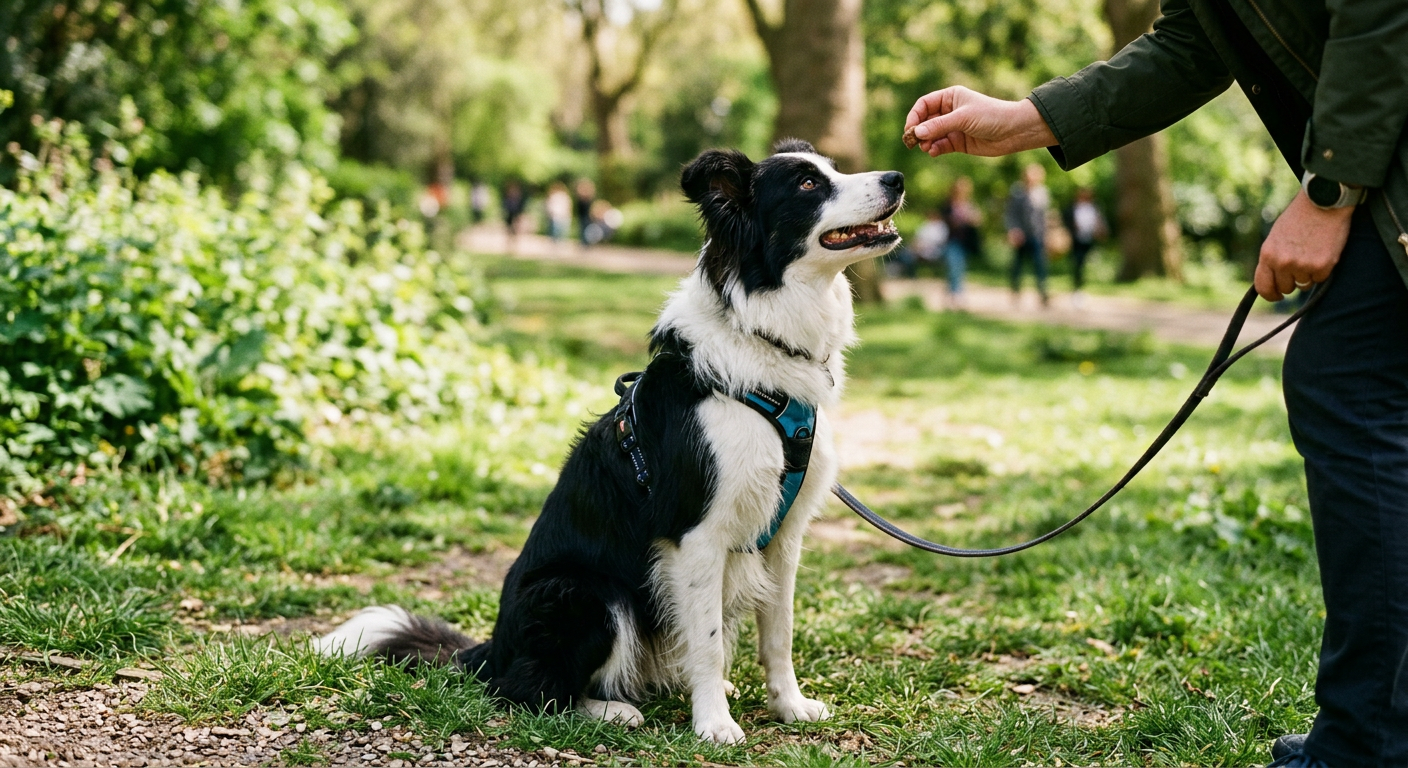
Training can also play a major role in redirection. Re-teaching a strong "leave it" command provides your dog with an alternative action to take when they encounter something tempting. Always use positive reinforcement, such as high-value treats or praise, to reward them for choosing to ignore the waste and focus on you instead.
Sometimes, comparing how different breeds react to stressors can be enlightening. For example, a high-energy dog might react differently to boredom than a more sedentary breed. You can explore these differences in our breed comparison guides to see how temperament might play into behavioral shifts.
When to See a Veterinarian
While environmental management and diet changes often work, you should seek professional advice if the behavior is accompanied by other physical signs. If you notice weight loss, changes in coat quality, or lethargy, these are signals that the behavior is more than just a naughty habit.
Your vet may recommend blood work or a fecal exam to rule out parasites or malabsorption issues. Proactive care is the best way to ensure your pet remains comfortable and healthy throughout their adult and senior years. For more information on related digestive concerns, read about a dog not eating but drinking lots of water to understand when varied symptoms might be linked.
Conclusion
Discovering that your dog eating poop suddenly after years of not is a new habit can be confusing, but it is rarely a reason for panic. By approaching the situation with curiosity and a focus on wellness, you can uncover the underlying cause, whether it is a need for vitamin supplementation, a response to stress, or a simple case of boredom.
With consistent management, positive reinforcement, and regular veterinary check-ups, most dogs can move past this phase. Focus on providing a nutrient-dense diet and a stimulating environment to keep your best friend happy, healthy, and focused on their favorite toys instead of the backyard mess.