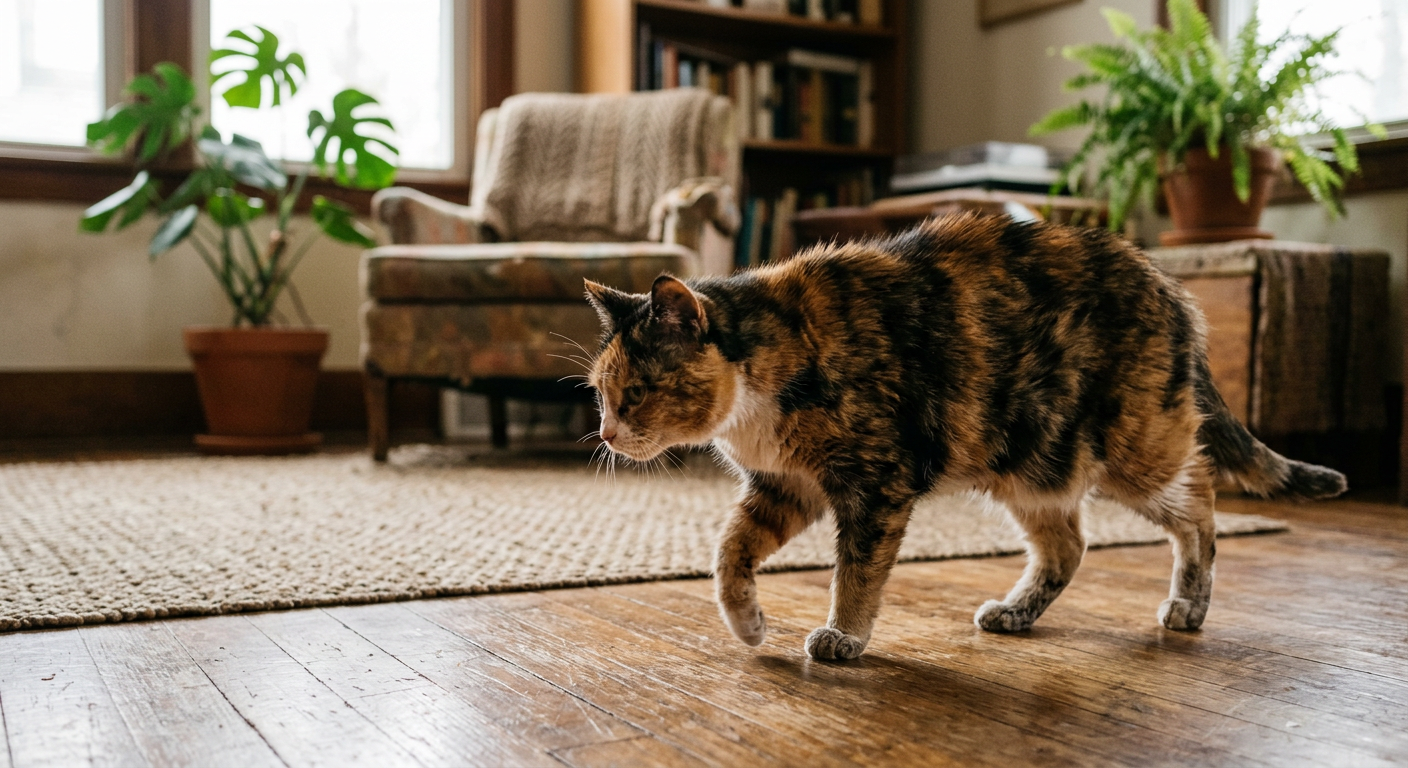
Observing a cat limping on front leg but not crying can be a puzzling experience for any pet owner. Cats are masters of disguise when it comes to physical discomfort, often hiding signs of pain as a natural survival instinct. When your feline friend begins to favor one paw over the other without making a sound, it doesn't necessarily mean they aren't feeling uneasy.
Understanding why your cat is limping requires a bit of detective work and a gentle touch. Because cats are predators in the wild, showing vulnerability or vocalizing pain could make them targets. Consequently, a silent limp is a very common way for a domestic cat to communicate that something is structurally or physically "off" with their front limb.
Identifying the Cause of a Silent Limp
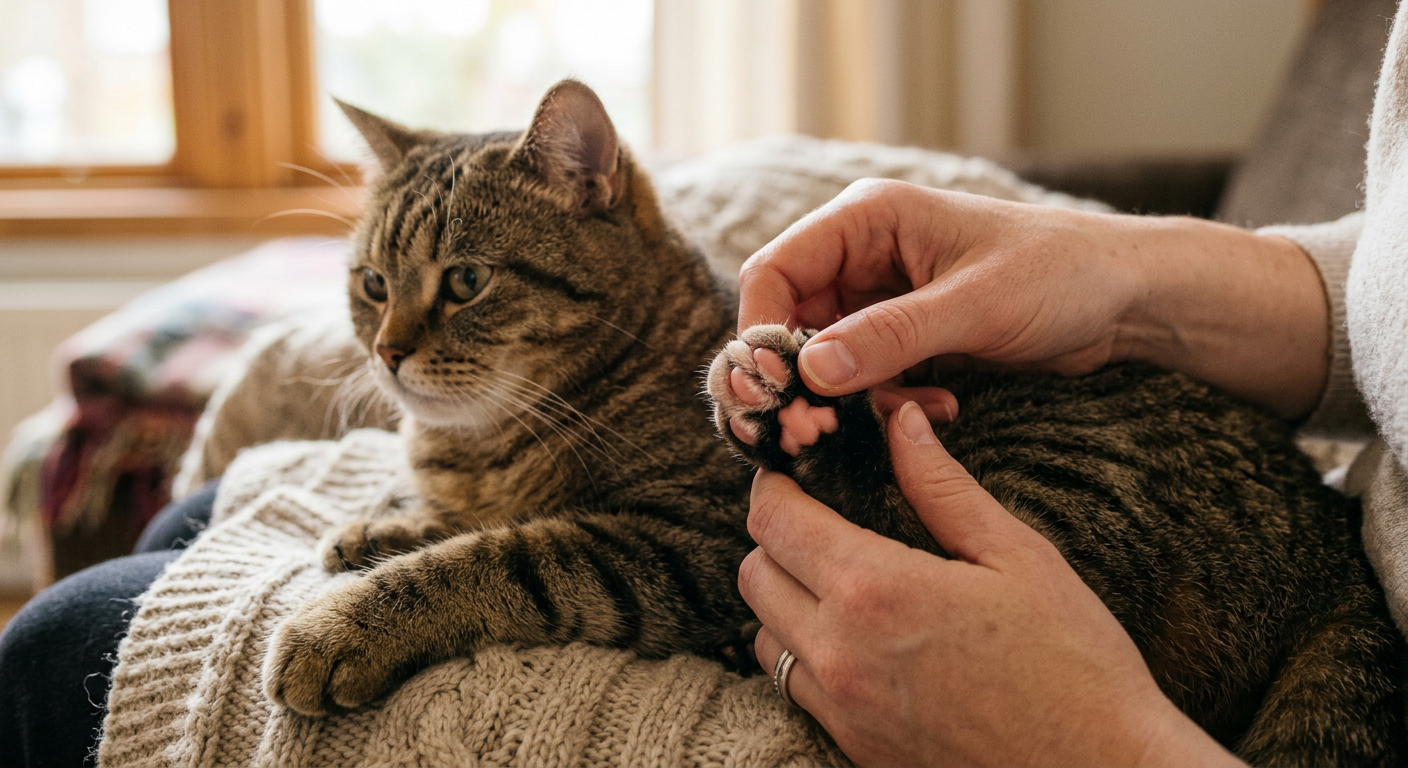
The reasons for a front leg limp range from minor irritations to more complex musculoskeletal issues. Since your cat isn't crying out, you should start by looking at the most visible parts of the leg. Check the paw pads for foreign objects like thorns, splinters, or even dried mud that might be causing discomfort between the toes.
Surface Level Injuries
Sometimes the issue is as simple as a broken claw or a small scrape. Indoor cats can snag a nail on carpet fibers or upholstery, leading to a minor strain or a torn nail bed. While these injuries might not cause intense vocalization, they can certainly lead to a noticeable change in how your cat walks during their daily routine.
Muscle Strains and Soft Tissue Issues
Just like humans, cats can overextend themselves during a particularly vigorous jump or a case of the "zoomies." A soft tissue strain in the shoulder or elbow is a frequent culprit when a cat limps on front leg but not crying. These injuries often involve the ligaments or tendons and usually resolve with rest, though a vet visit is always recommended to rule out something more serious.
Proactive Wellness and Bone Health
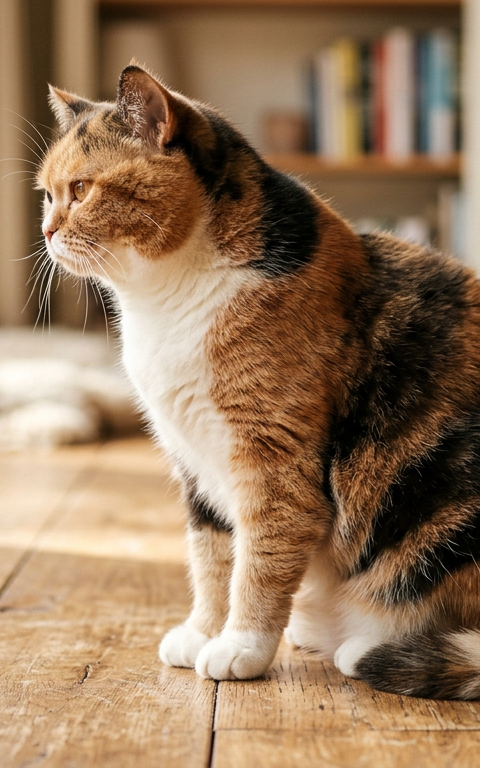
If the limp persists for more than 24 hours, it may be related to deeper structural issues. Young, active cats might experience growth-related concerns, while older cats are frequently prone to degenerative joint changes. If you have an older cat, like a British Shorthair, they may be reaching a life stage where joint support becomes a primary wellness consideration.
Early Stages of Arthritis
Osteoarthritis is very common in senior felines. It often presents as a stiff gait or a subtle limp that is more pronounced after a long nap. Because the transition is gradual, cats rarely cry out. Instead, they simply slow down or stop jumping onto high surfaces like they used to when they were younger.
Hidden Fractures or Dislocations
While we often associate broken bones with intense distress, "hairline" or stress fractures can sometimes result in a limp without constant vocalization. A cat might still be able to put some weight on the leg but will do so cautiously. If there is any swelling or heat in the limb, it is essential to seek professional veterinary advice immediately.
- Check for swelling around the joints (elbow and wrist).
- Look for any heat coming from a specific area of the leg.
- Observe if the cat is grooming one specific paw excessively.
- Monitor for changes in appetite or hiding behavior.
How to Safely Examine Your Cat at Home
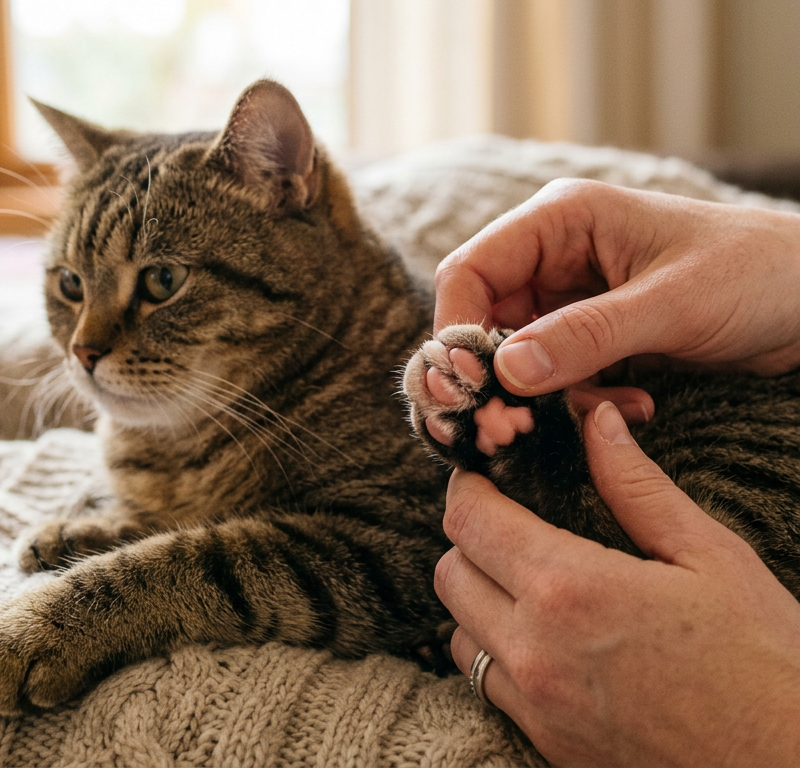
When you notice your cat limping, your first instinct is to help. However, even the sweetest cat might nip if you touch a tender spot. Approach your cat when they are calm and relaxed. Use a soft voice and offer some gentle head scratches before moving your hand down toward the affected front leg.
Run your fingers lightly from the shoulder down to the toes. You are looking for bumps, bits of debris, or areas where the cat pulls away. If they pull back or hiss, stop immediately. This confirm that the area is sensitive, and further inspection should be left to a veterinarian who can provide proper sedation or pain management if needed.
It is also helpful to observe their overall body language. For more tips on interpreting feline behavior, you can read our guide on reading visible body signs in cats. Understanding these subtle cues can help you determine the urgency of the situation.
Wellness Considerations and When to See a Vet
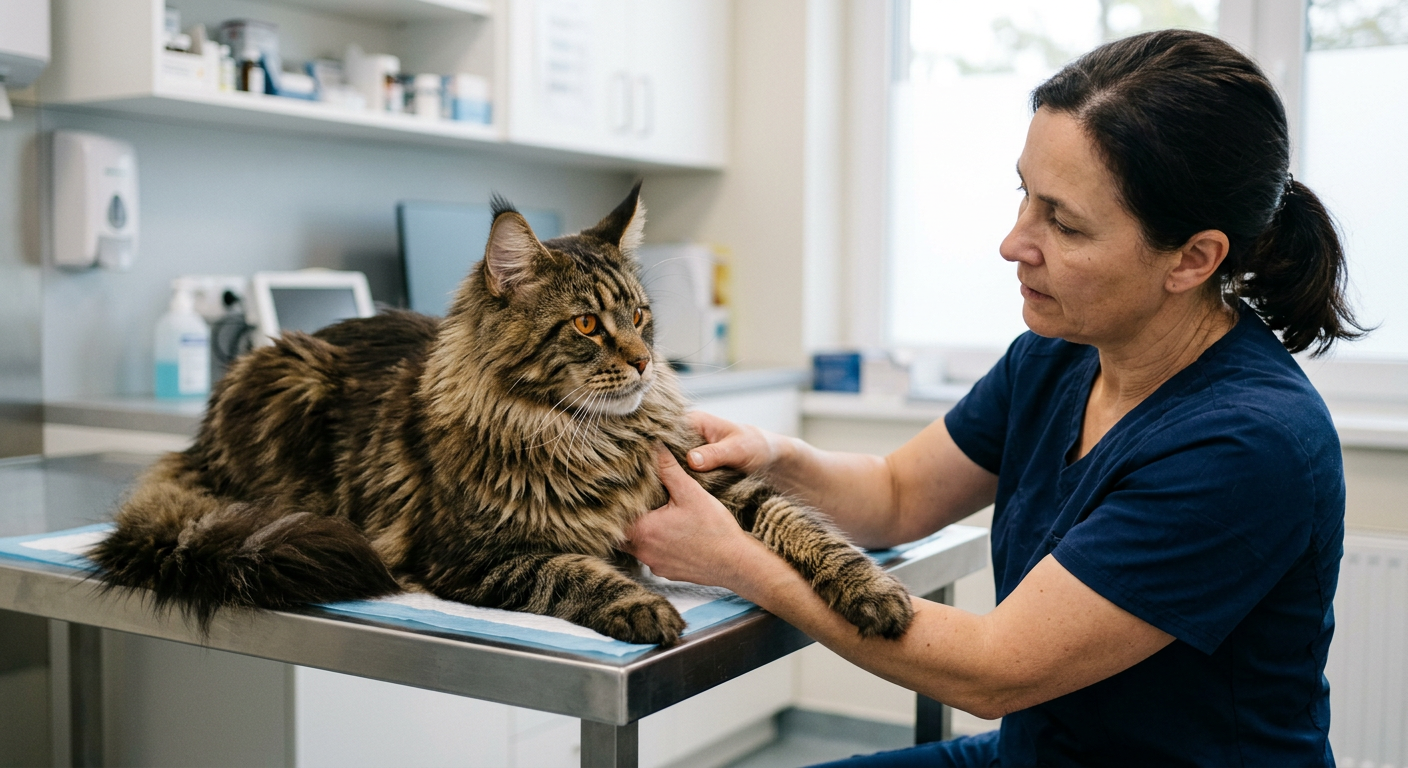
While a minor stumble might resolve itself with a few hours of sleep, a persistent cat limping on front leg but not crying warrants a professional evaluation. Veterinarians have the tools, such as X-rays and physical manipulation, to see what is happening beneath the skin. Early intervention can prevent a minor strain from becoming a chronic mobility issue.
If you notice the limp is accompanied by other symptoms, such as a third eyelid showing or a decrease in grooming, your cat may be feeling more unwell than the limp alone suggests. Cats are experts at masking systemic illness, so a limp can sometimes be a secondary sign of an underlying health problem.
The Importance of Rest
If your vet suspects a soft tissue injury, they will likely recommend "crate rest" or confining your cat to a small room. This prevents them from jumping and allows the inflammation to subside. It can be difficult to keep an active cat still, but it is the most effective way to ensure a speedy recovery for minor leg injuries.
Long-term Mobility Support
For cats diagnosed with joint issues, supplements like glucosamine and chondroitin can be very beneficial. Environmental changes, such as providing "pet stairs" to reach the bed or a lower entry litter box, can make a huge difference in their daily comfort. Maintaining a healthy weight is also vital, as extra pounds put unnecessary stress on those delicate front leg joints.
Conclusion
Seeing a cat limping on front leg but not crying is a signal to slow down and pay close attention to your pet's needs. While the lack of vocalization might seem like a good sign, it is simply a reflection of how cats process discomfort. By being proactive and observant, you can ensure your feline companion receives the care they need to get back on all four paws comfortably.
Always remember that you know your cat best. If their behavior seems "off," even in the absence of crying, consulting your veterinarian is the best course of action. Whether it is a simple splinter or a need for joint support, addressing the limp early will help your cat maintain their adventurous and playful spirit for years to come.