It is a common sight for many pet parents: you let your dog out into the yard, and instead of chasing a ball, they immediately start grazing. If you find yourself wondering why does my german shepherd eat grass, you are certainly not alone. This behavior, while sometimes puzzling to humans, is actually one of the most frequently reported habits among domestic canines.
German Shepherds are highly intelligent, active dogs with specific nutritional and physical needs. When they engage in grass-eating, it can be for a variety of reasons ranging from simple boredom to a natural instinct inherited from their wild ancestors. Understanding these motivations helps you provide the best possible care for your loyal companion.
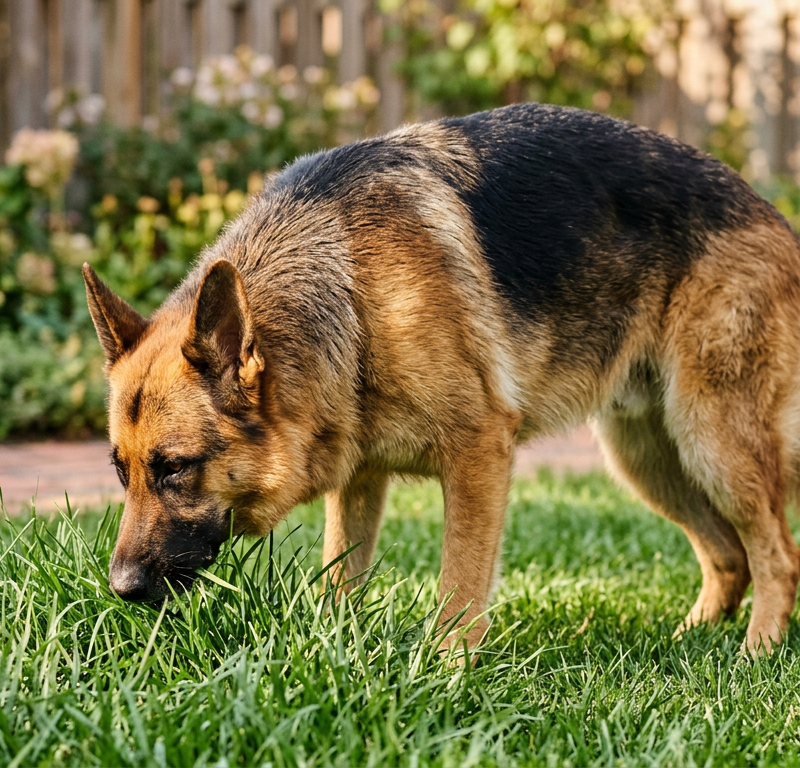
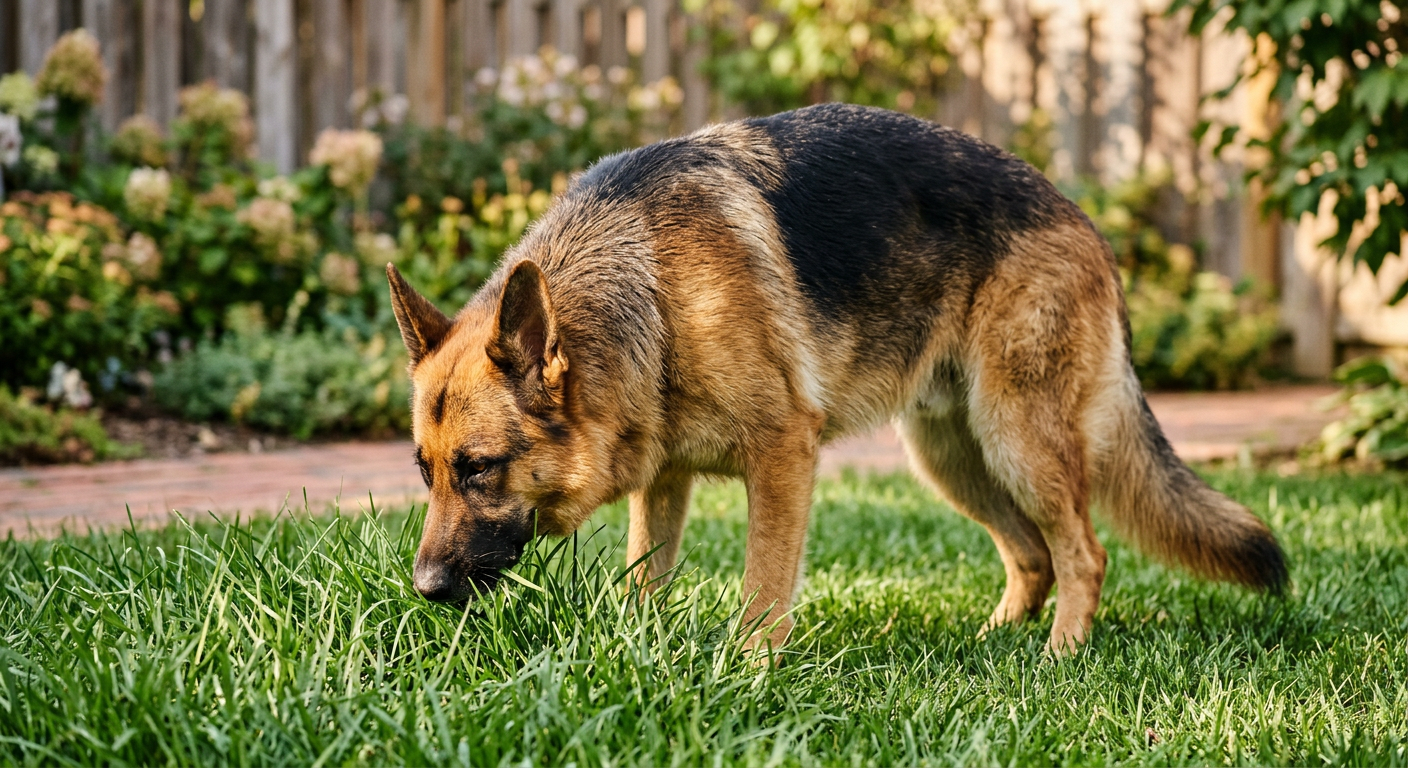
An adult German Shepherd dog sniffing and nibbling on green grass in a sunny backyard.
The Evolutionary Link to Wild Ancestors
While we provide our dogs with balanced kibble or fresh food, their DNA still carries traces of their life in the wild. Ancestral canines were not strict carnivores; they were scavengers and opportunistic eaters. When hunting prey, they often consumed the entire animal, including the stomach contents of herbivores which were filled with fermented plants and grasses.
Some experts believe that modern German Shepherds may eat greenery as a way to mimic this ancestral diet. Even though your dog lives a comfortable indoor life, these deep-seated instincts remain. Grazing might just be their way of connecting with their biological roots.
Dietary Fiber and Digestive Wellness
One of the most practical reasons your dog might be nibbling on the lawn relates to their digestive health. Grass is a significant source of roughage or fiber. If a dog’s daily diet is slightly lacking in certain types of fiber, they may seek out natural sources to help keep their digestive system moving smoothly.
Fiber helps with regular bowel movements and overall gut health. If you notice your dog focuses on specific types of long, succulent grass, they may be looking for that extra bit of roughage. You can explore more about breed-specific health and aging by checking our German Shepherd age calculator to see how their needs change over time.
Does Grass Eating Mean They Are Sick?
There is a common myth that dogs only eat grass to make themselves vomit. While some dogs do vomit after eating grass, research suggests this happens in less than 25% of cases. Most of the time, the grass-eating behavior is not preceded by signs of illness.
However, if your German Shepherd seems focused on eating grass rapidly and then immediately gets sick, they may be trying to soothe an upset stomach or expel something they shouldn't have swallowed. In these specific instances, the grass acts as a mechanical irritant to trigger the purge. If this happens frequently, it is always best to consult with your veterinarian.
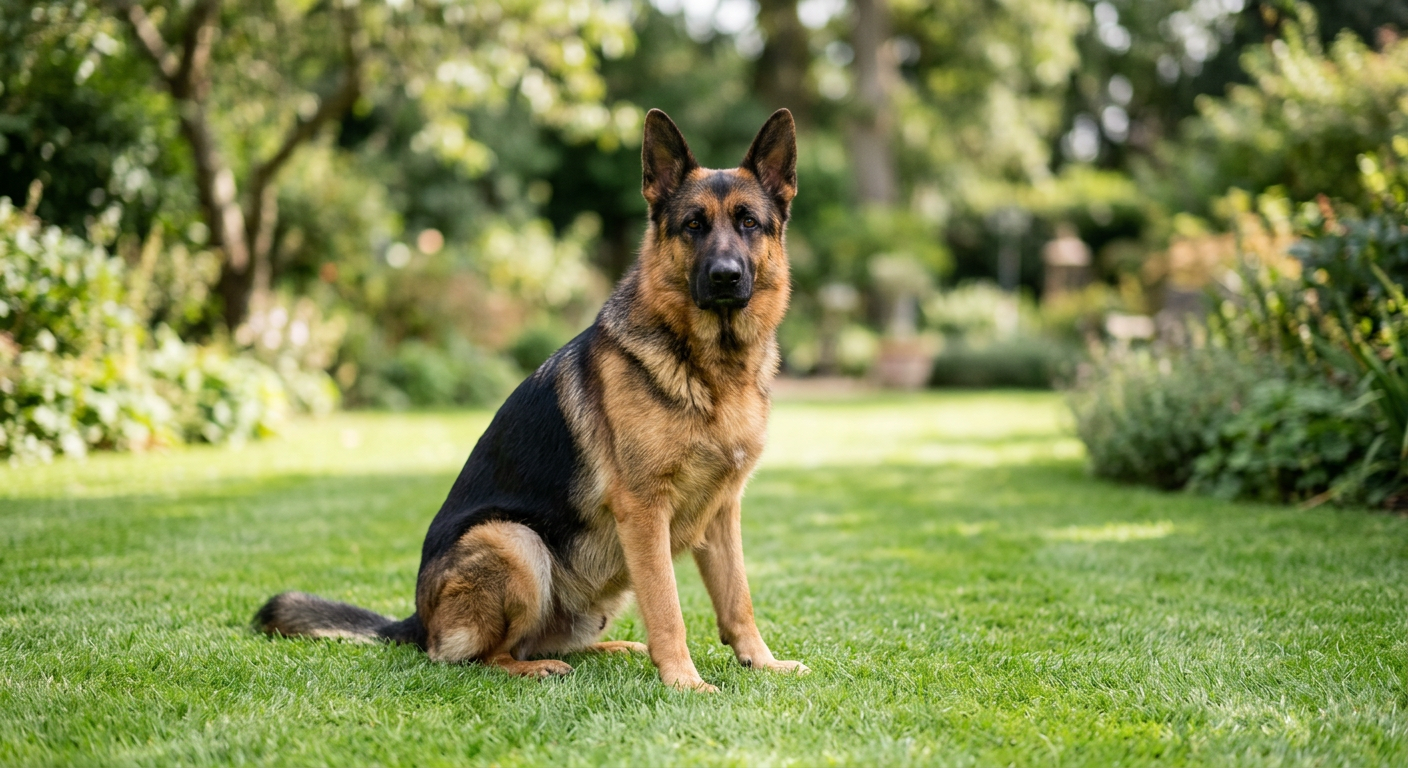
A German Shepherd sitting alertly on a green lawn looking at the camera.
Boredom and Mental Stimulation
German Shepherds are working dogs that crave mental engagement and physical activity. When these needs aren't met, they can develop "displacement behaviors." Eating grass can sometimes be a way for a bored dog to pass the time or interact with their environment in a new way.
If your dog spends long hours in a fenced yard without direct interaction, they might turn to the grass as a form of self-entertainment. This is especially true for younger dogs or those with high energy levels. Increasing their daily exercise or providing puzzle toys can often reduce this habit.
Provide 60-90 minutes of daily exercise to curb boredom.
Use interactive toys to keep their minds sharp.
Incorporate training sessions during outdoor time to refocus their energy.
The "Tasty" Factor
We shouldn't overlook the simplest explanation: some dogs just like the taste or texture of fresh grass. During the spring and summer, new grass is often sweet and full of moisture. Your German Shepherd might find the cool, crisp sensation of young sprouts to be a refreshing treat.
This is particularly common after a rainstorm or in the early morning when dew is still on the ground. To them, the lawn might simply be a giant, living salad bar that offers a different sensory experience than their dry kibble.
Safety Considerations for Your Grazing Dog
While eating grass itself is generally considered a normal behavior, the environment where they eat it matters significantly. As a proactive owner, you should ensure that the grass your dog is consuming is safe. Many suburban lawns are treated with chemicals that can be harmful if ingested.
You should be mindful of:
Pesticides and herbicides: Ensure your lawn is free of chemical treatments.
Fertilizers: Some fertilizers contain blood meal or bone meal which attracts dogs but can be toxic in large amounts.
Toxic plants: Make sure your yard doesn't contain toxic weeds or garden plants nestled within the grass.
Parasites: Fresh grass can sometimes harbor intestinal parasite eggs from other animals.
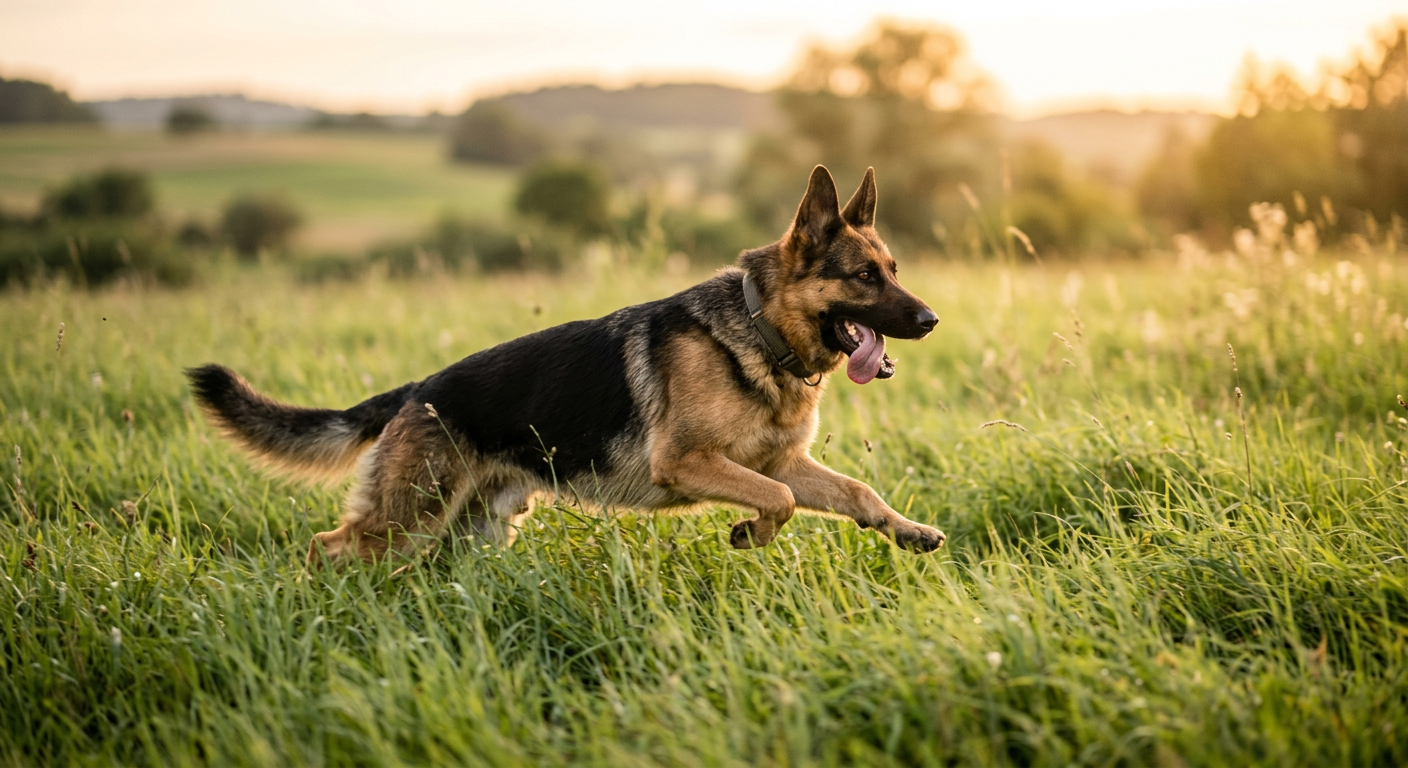
A happy German Shepherd running through a wide open grassy field.
If you are curious about how this behavior compares to other breeds, you might find our guide on common behavior questions for popular breeds helpful for a broader perspective.
When to Consult a Professional
In most cases, a German Shepherd eating grass is a harmless quirk. However, you should reach out to a veterinarian if the behavior is accompanied by other symptoms. Look for signs like lethargy, diarrhea, significant weight loss, or a sudden, obsessive increase in grass consumption.
A vet can perform a quick checkup to ensure there are no underlying nutritional deficiencies or gastrointestinal issues. They might recommend a high-fiber prescription diet or suggest adding safe vegetables, like steamed green beans, to your dog's meals to satisfy their craving for greens.
Comparing Breed Traits
Understanding your dog's unique personality is part of the joy of pet ownership. For instance, if you're deciding between a loyal Shepherd and another active breed, you can look at our German Shepherd vs Labrador Retriever comparison to see how their temperaments and habits differ. Both breeds are known to enjoy the outdoors, but their reasons for "grazing" can vary based on their specific energy levels.
Final Thoughts on Grass Eating
To summarize, why does my german shepherd eat grass usually comes down to instinct, fiber needs, or simply a way to alleviate boredom. It is a natural behavior that most dogs exhibit at some point in their lives. By ensuring your yard is chemically safe and your dog is getting plenty of mental stimulation, you can let them enjoy their occasional green snack without worry.
Monitoring their habits and keeping a consistent wellness routine will ensure your German Shepherd stays happy and healthy. If the grazing becomes excessive, a simple chat with your vet or a slight adjustment to their diet is usually all that’s needed to find the right balance. Over time, you'll learn to distinguish between a "just for fun" nibble and a sign that your dog needs a little extra attention.
Frequently Asked Questions
Most experts agree that grass eating is a natural behavior. It provides fiber, helps with digestion, or may simply be a result of the dog liking the taste and texture of fresh grass.
While most dogs don't get sick, some use grass as a mechanical irritant to trigger vomiting if they have an upset stomach. If your dog vomits frequently after eating grass, consult your veterinarian.
The biggest danger is not the grass itself, but pesticides, herbicides, and fertilizers used on lawns. Ensure the area your dog grazes in is chemical-free and clear of toxic plants.
If your dog is eating grass out of boredom, try increasing their daily exercise, providing more interactive toys, and engaging in more frequent training sessions to keep their mind busy.
We're passionate pet lovers and AI enthusiasts dedicated to helping you understand your furry friends better through the power of artificial intelligence.
AI Analysis
Free!
AI-Powered Pet Analysis
Understand Your Pet's Emotions
Our AI analyzes photos and videos to reveal what your pet is really feeling.