Have you ever walked toward your furry friend, only to have them pivot their body so their flank is facing you? It might seem like a strange snub, but in the world of canine communication, this movement is actually a profound sign of trust and social intelligence. When you ask yourself, why does my dog turn sideways when i approach, you are looking at a classic example of "calming signals" in action.
Understanding these subtle shifts in posture helps us build a deeper bond with our pets. Instead of seeing it as your dog being aloof, you can view it as a polite conversation. Dogs use their entire bodies to navigate social interactions, and a side-on presentation is one of their most peaceful gestures.
The Basics of Canine Calming Signals
Dogs are masters of non-verbal communication. They have evolved a complex system of gestures known as calming signals, first popularized by trainer Turid Rugaas. These signals are used to prevent conflict, de-escalate tension, and show that the dog has friendly intentions.
Defusing Social Pressure
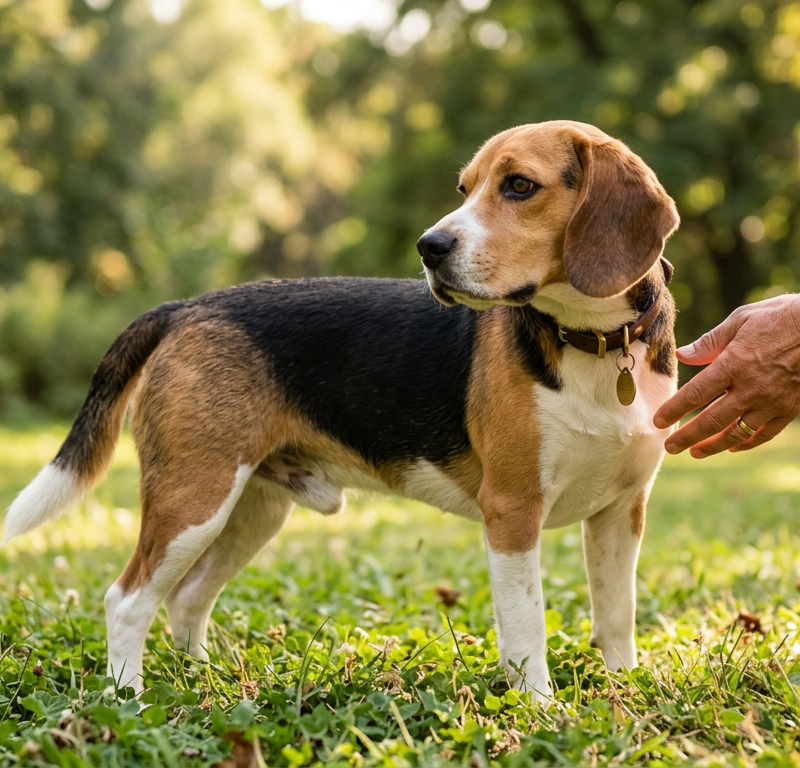
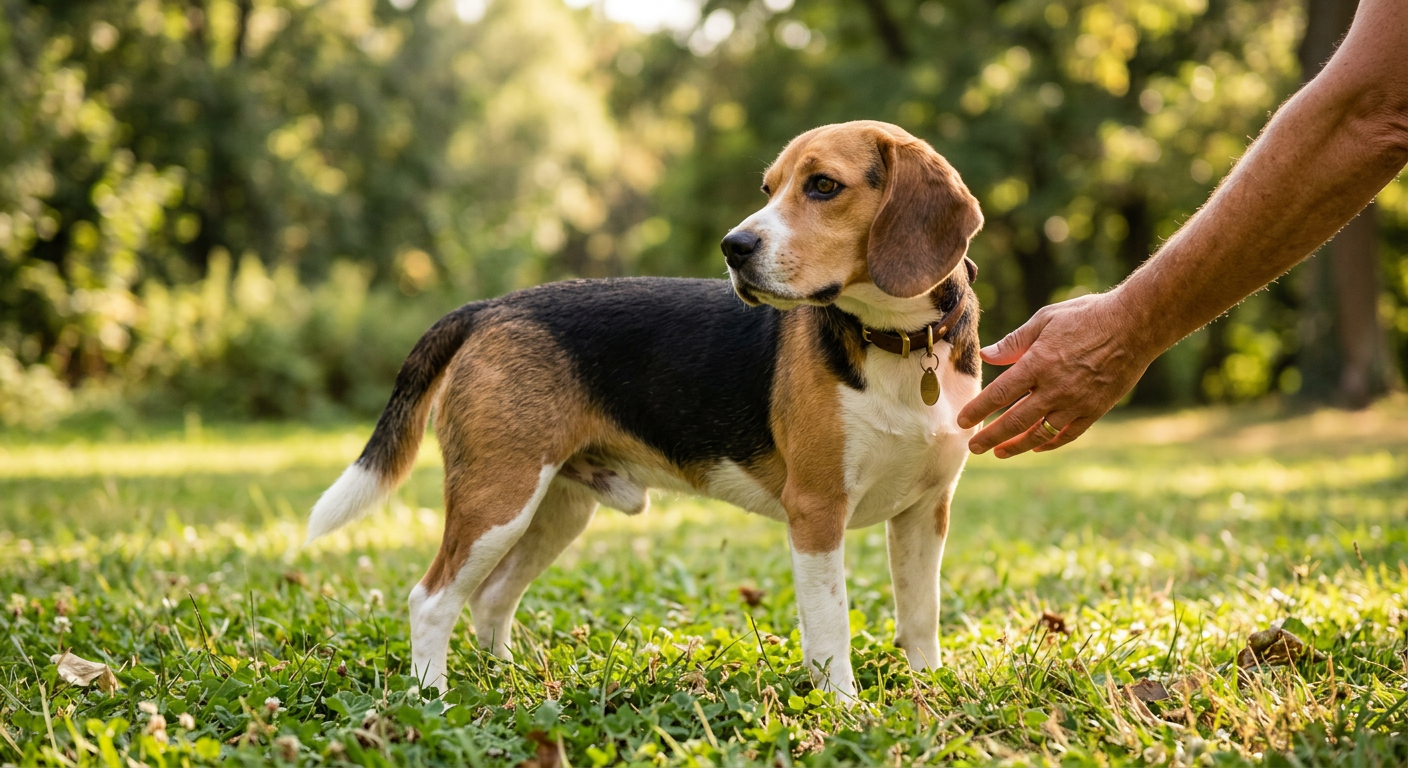
A direct, head-on approach can be perceived as confrontational in the animal kingdom. When a dog turns their side to you, they are effectively "breaking the line" of a direct approach. It is their way of saying, "I am not a threat, and I trust that you aren't one either."
Showing Vulnerability
By offering their side, the dog is exposing a larger, more vulnerable part of their body while moving their teeth away from the interaction. This is a high-level display of comfort. You might notice this behavior more frequently if you are walking quickly or wearing a bulky coat, which can sometimes appear imposing to a sensitive pup.
Social Hierarchy and Polite Greetings
In the wild, wolves and wild dogs rarely greet each other face-to-face. A head-on stare or approach is often a challenge. Domestic dogs have carried this instinct into our living rooms, adapting it to their relationships with humans. Many dogs use ear positions and body orientation to signal their social standing.
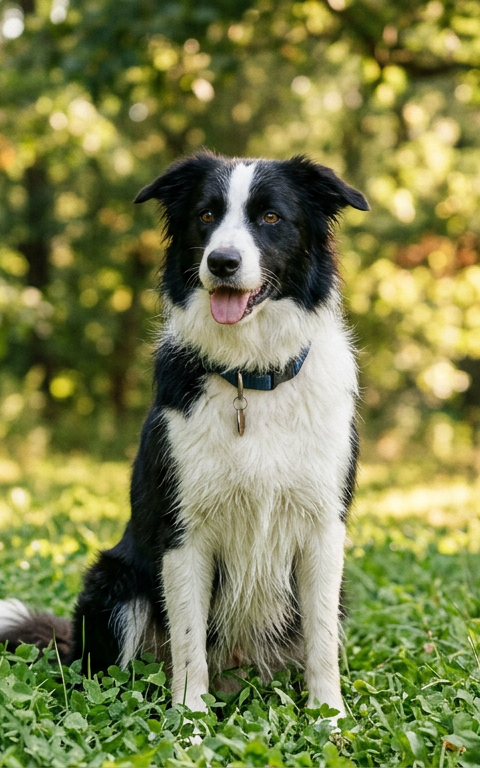
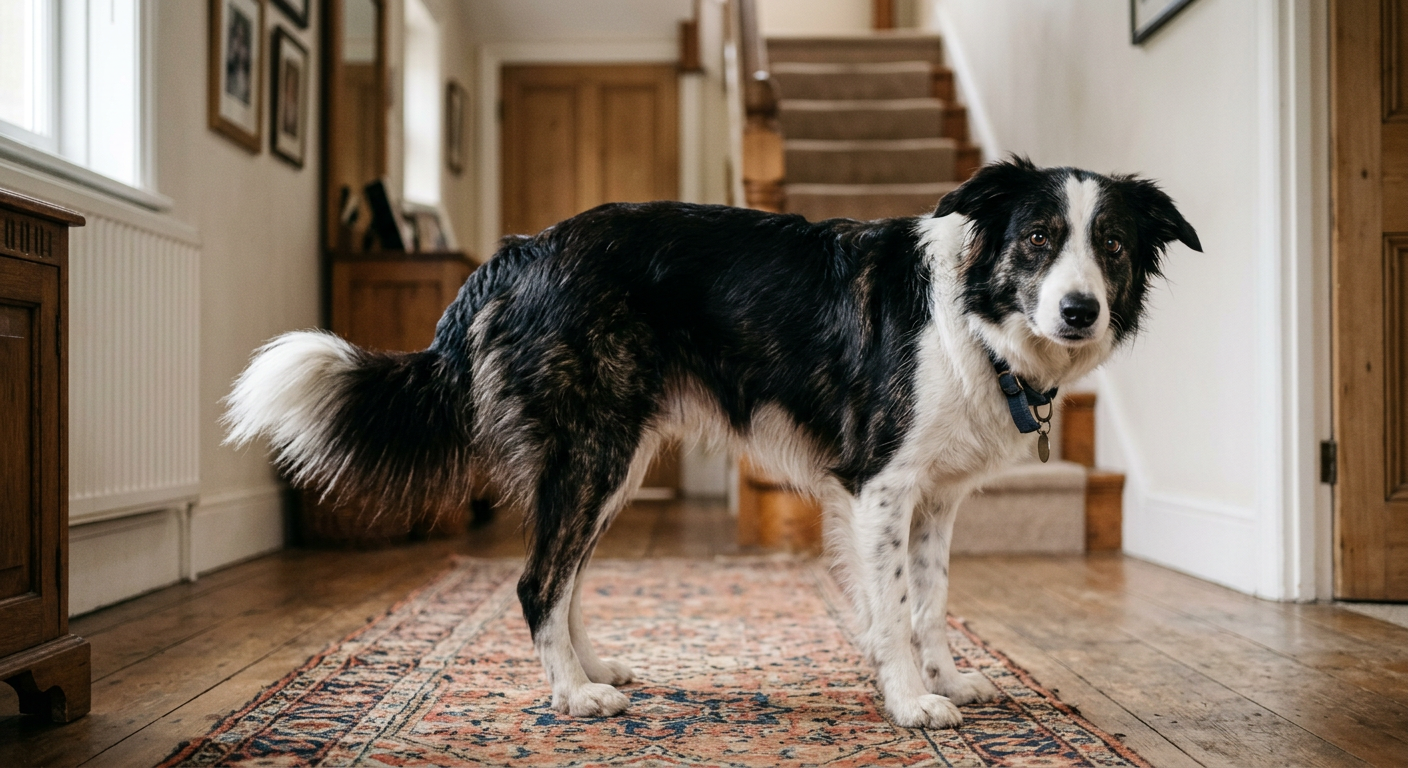
If you have a breed known for its sensitivity, like a Border Collie, you might see this sideways turn more often. These dogs are highly tuned to human movement and often use their bodies to facilitate smooth, peaceful interactions.
The Polite "Curve"
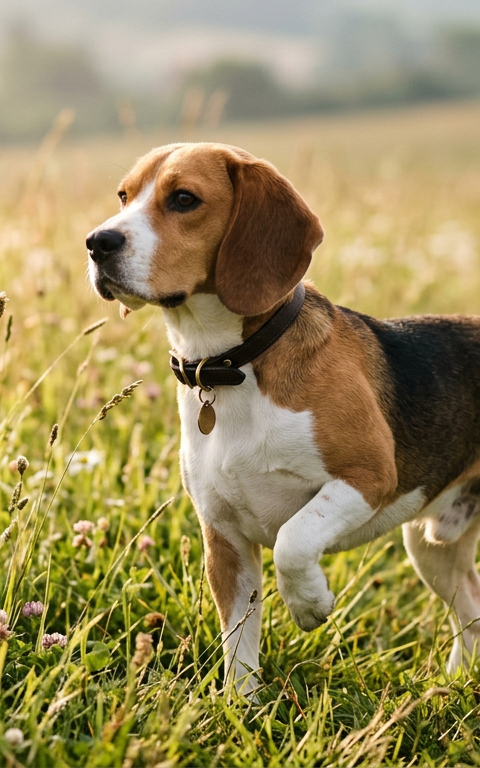
You may also notice that your dog doesn't walk in a straight line toward you. They might walk in a slight arc or curve. This "curving" is the mobile version of the sideways turn. Both behaviors serve the same purpose: making the approach feel softer and less intense for everyone involved.
Why Does My Dog Turn Sideways When I Approach for Pets
Sometimes, the reason for the sideways turn is purely functional and affectionate. Many dogs have a "sweet spot" for scratches on their hips, shoulders, or the base of their tail. When your why does my dog turn sideways when i approach question arises during cuddle time, it might just be a request for a specific type of physical contact.
- The Hip Lean: Once they turn sideways, they might lean their weight against your legs. This is a sign of immense affection and a desire for closeness.
- Presenting the Shoulder: This is a common spot for dogs to enjoy a firm massage.
- Avoiding Eye Contact: For some shy dogs, looking away and turning the body helps them feel less overwhelmed by direct attention.
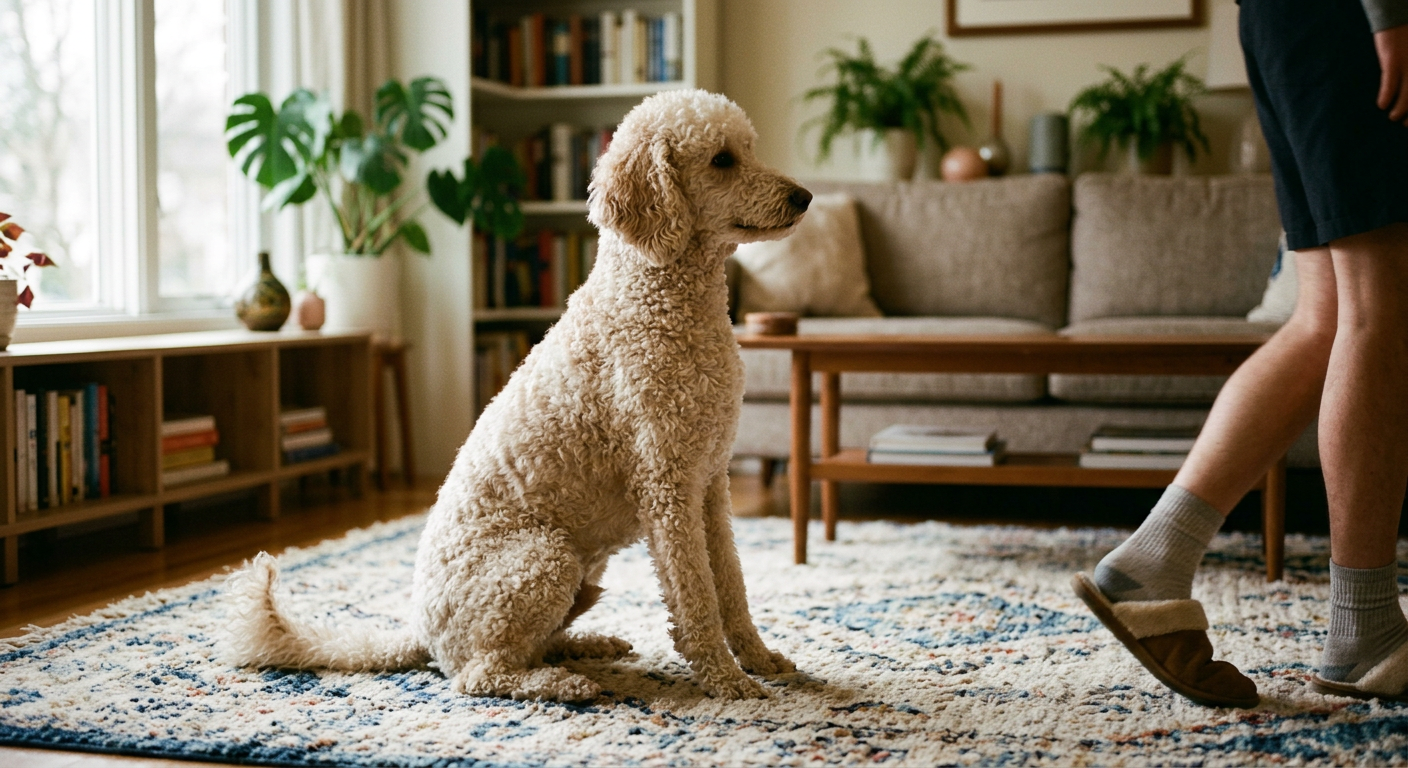
If you are comparing how different breeds handle social pressure, such as a Boxer vs Poodle, you will find that "softer" breeds like the Poodle may use the sideways turn more frequently to show deference, while a Boxer might be more likely to offer a wiggly, full-body greeting.
Environmental and Contextual Factors
Context is everything in dog body language. A dog turning sideways in a quiet living room means something different than a dog doing it at a crowded park. You should look at other parts of the body to get the full picture. For instance, check out what your dog's tail wagging means in conjunction with the body turn.
Recognizing Stress vs. Comfort
If the dog turns sideways but has a stiff body, tucked tail, or is licking their lips, they might be feeling a bit overwhelmed. In this case, the sideways turn is a request for space. However, if the body is loose, the tail is swaying, and the eyes are soft, the sideways turn is a relaxed invitation to hang out.
Age and Physical Comfort
As dogs age, their mobility changes. A senior dog, such as an older German Shepherd, might turn sideways to brace themselves or to make it easier to sit or lie down as you get closer. Always consider if your dog is moving this way to accommodate stiff joints or a loss of balance.
How to Respond to Your Dog’s Sideways Greeting
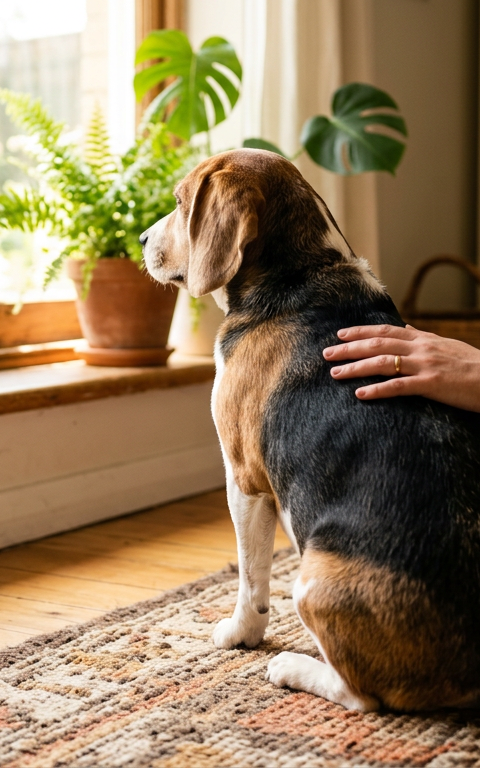
When your dog offers you their side, they are communicating beautifully. You can "talk back" by mirroring some of their polite behavior. Instead of leaning directly over their head—which can be intimidating—try reaching for their shoulder or side. This respects the "polite space" they have created.
- Acknowledge the gesture: Speak in a soft, encouraging tone.
- Pet the side: Focus your attention on their flank or shoulder rather than the top of their head.
- Give them space: If they turn sideways and stay still without leaning in, they might just be observing. You don't always have to initiate physical contact.
Conclusion
So, why does my dog turn sideways when i approach? It is almost always a gesture of peace, politeness, and trust. By breaking the direct line of sight and offering their flank, your dog is ensuring that your interaction remains friendly and calm. It is a wonderful reminder of how much our dogs care about maintaining harmony in our shared homes.
Next time your pup pivots as you walk into the room, take it as a compliment. They are using their natural instincts to tell you they are comfortable and ready for a peaceful moment together. If you ever have concerns about sudden changes in your dog's movement or posture, always consult your veterinarian to rule out any underlying wellness considerations.