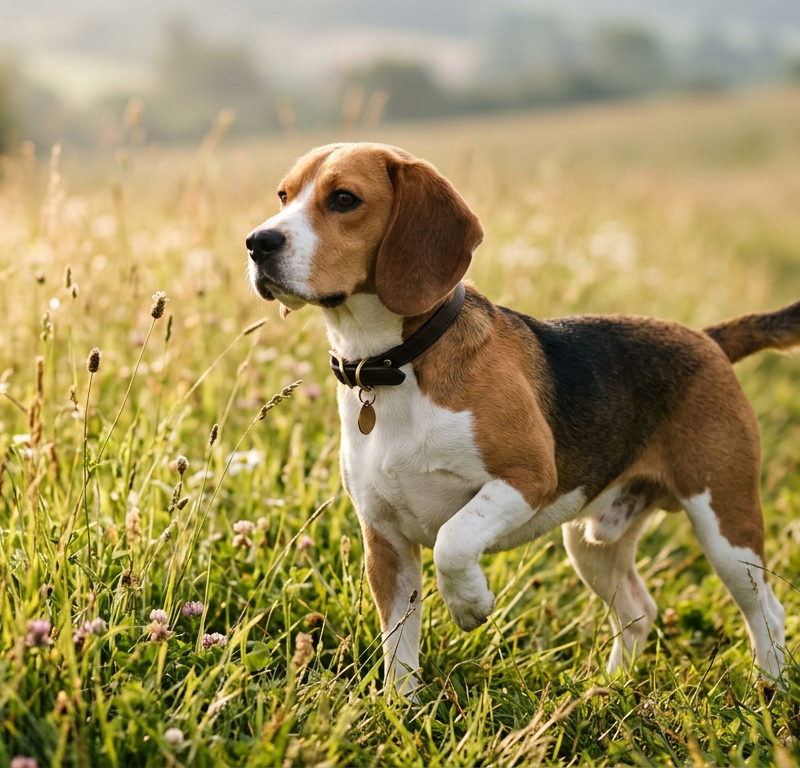
Pet owners often notice their canine companions striking a statue-like pose with one limb suspended in mid-air. You might wonder, what does it mean when my dog lifts one front paw during a walk or while staring at a squirrel in the backyard? This subtle movement is a cornerstone of canine body language, serving as a silent signal that communicates a wealth of information about their internal state.
Understanding these physical cues helps strengthen the bond between you and your pet. While humans rely heavily on verbal communication, dogs use their entire bodies to express curiosity, uncertainty, or excitement. By observing the context of the paw lift, you can better interpret what your furry friend is trying to tell you in that specific moment.
The Instinctive Roots of the Paw Lift
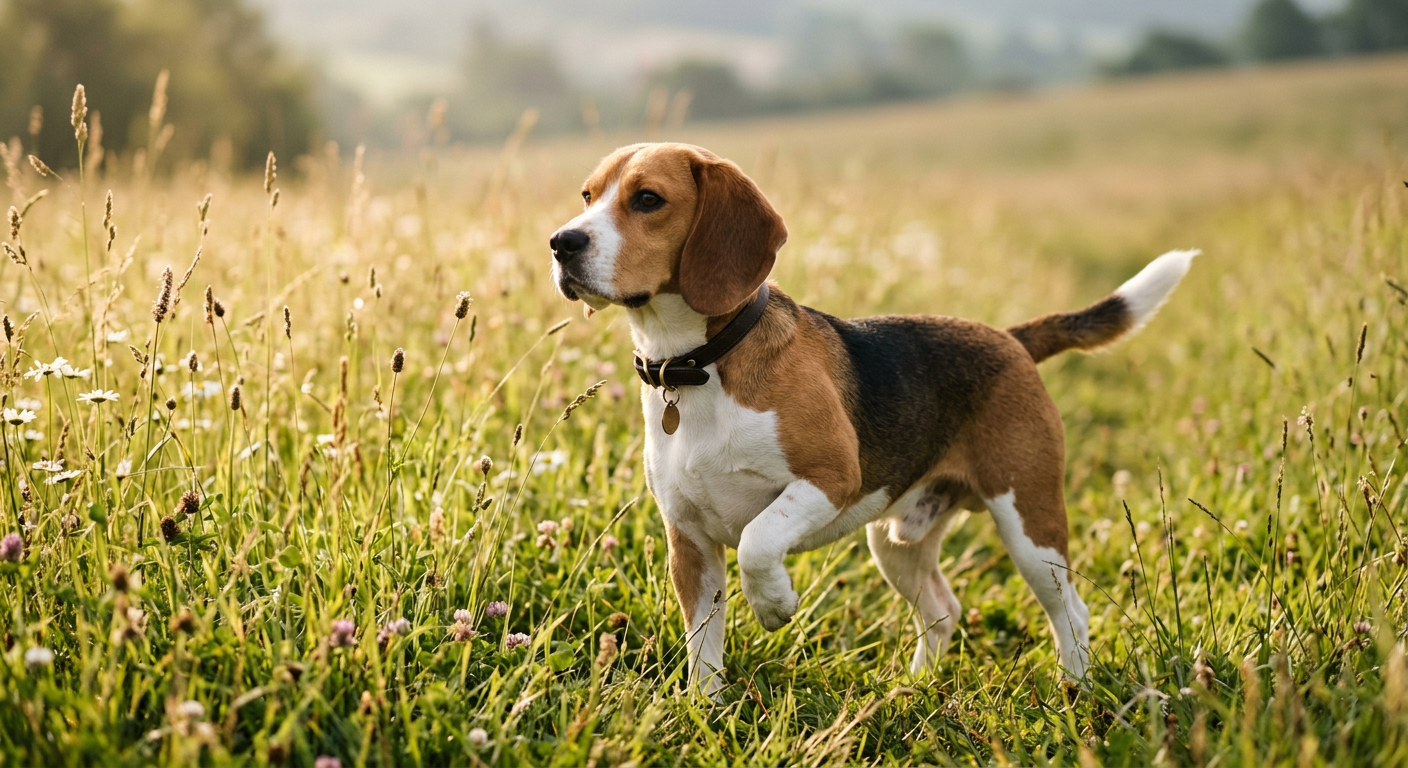
For many breeds, lifting a paw is an ancestral behavior deeply rooted in their history as hunters. When a dog scent-points, they are essentially hitting a "pause button" on their movement to avoid alerting prey. This behavior is most famous in Pointers and Setters, but nearly all dogs retain some level of this instinctual drive.
The Pointing Instinct
When a dog lifts a front leg while focusing intently on an object, they are likely in "stalking mode." This posture allows them to remain perfectly still while gathering sensory information through their nose and ears. It is a sign of high concentration and predatory interest, even if the "prey" is just a tennis ball under the couch.
Anticipation and Focus
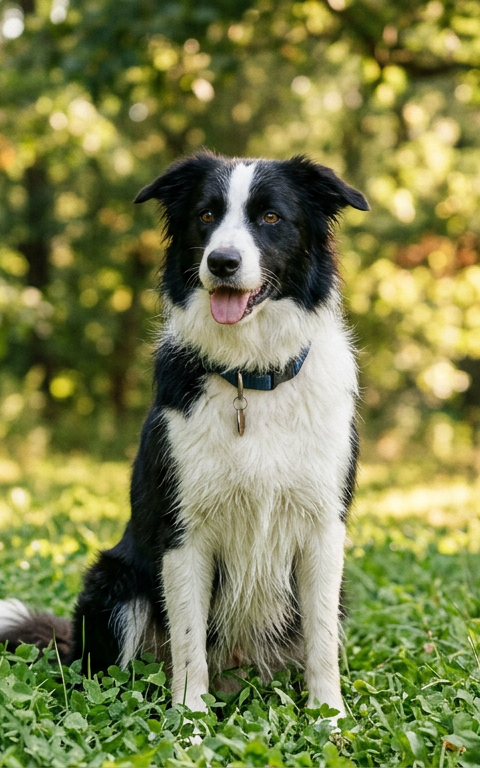
Lifting a paw often signifies that your dog is ready for the next thing to happen. If you are holding a treat or a leash, the raised limb shows they are primed for action. This is a common sight when training active breeds like the Border Collie, who are always eager for their next cue.
Communicating Uncertainty or Stress
Not every paw lift is about hunting or excitement; sometimes, it serves as a sign of mild conflict or uncertainty. If your dog lifts a paw in a new environment or when meeting a stranger, they might be feeling a bit unsure about how to proceed. This is often referred to as a "displacement behavior."
In these scenarios, the dog is essentially pausing to assess whether the situation is safe or if they should retreat. You might notice other subtle signs of unease, such as a tucked tail or avoided eye contact. Understanding what your dog's eyes are telling you in these moments can provide a clearer picture of their emotional state.
The Appeasement Signal
In the world of dog psychology, a raised paw can act as an appeasement gesture. By making themselves appear smaller or less threatening, a dog communicates that they mean no harm. This is frequently seen during social interactions between two dogs where one is trying to diffuse tension.
Seeking Attention and Interaction
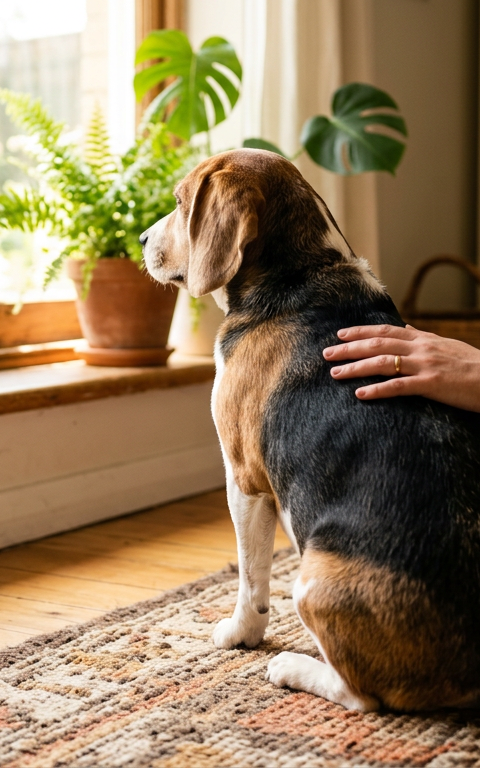
Over time, many dogs learn that lifting a paw gets a reaction from their favorite humans. If you have ever rewarded your dog with a head scratch or a "good boy" when they reached out to you, they have likely cataloged that behavior as a successful way to get attention. This learned behavior is often accompanied by a wagging tail or a soft gaze.
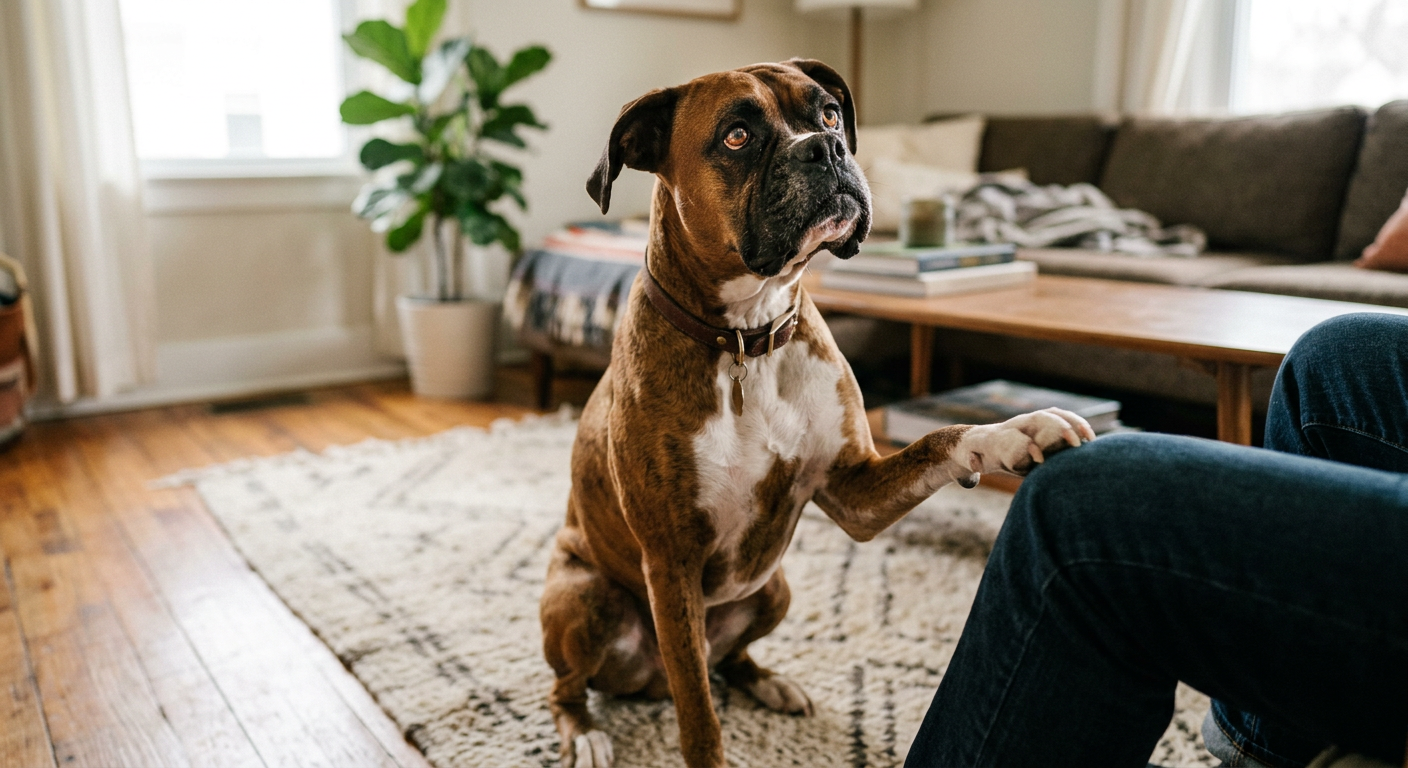
- The "Begging" Paw: Often seen near the dinner table or when treats are present.
- Physical Contact: Some dogs will lift a paw and actually place it on your knee to initiate petting.
- Play Invitation: A quick paw lift followed by a bounce usually means they are ready for a game.
If you have a breed known for its intelligence, like a Poodle or German Shepherd, they may use this gesture frequently to communicate their needs. It is their way of saying, "Hey, look at me!"
Wellness Considerations and Physical Comfort
While most paw lifts are behavioral, it is important to consider physical wellness. If your dog is holding their paw up consistently and seems reluctant to put weight on it, there may be a medical reason behind the gesture. Proactive care involves checking the limb for any signs of discomfort.
Checking for Obstructions
Dogs can easily get small pebbles, thorns, or burrs stuck between their paw pads. A dog lifting a paw and licking it frequently is often trying to remove a foreign object. During the winter, salt and ice can also cause irritation to their sensitive feet.
Addressing Joint or Muscle Sensitivity
As dogs age, they may experience stiffness or joint sensitivity. A dog that lifts a paw while standing still might be trying to alleviate pressure on a joint. If you notice a persistent limp or if your dog seems less active than usual, a consultation with your veterinarian is the best course of action to ensure they remain comfortable. You can track your dog's life stages using a breed-specific age calculator to better understand their changing needs.
Environmental Factors and Curiosity
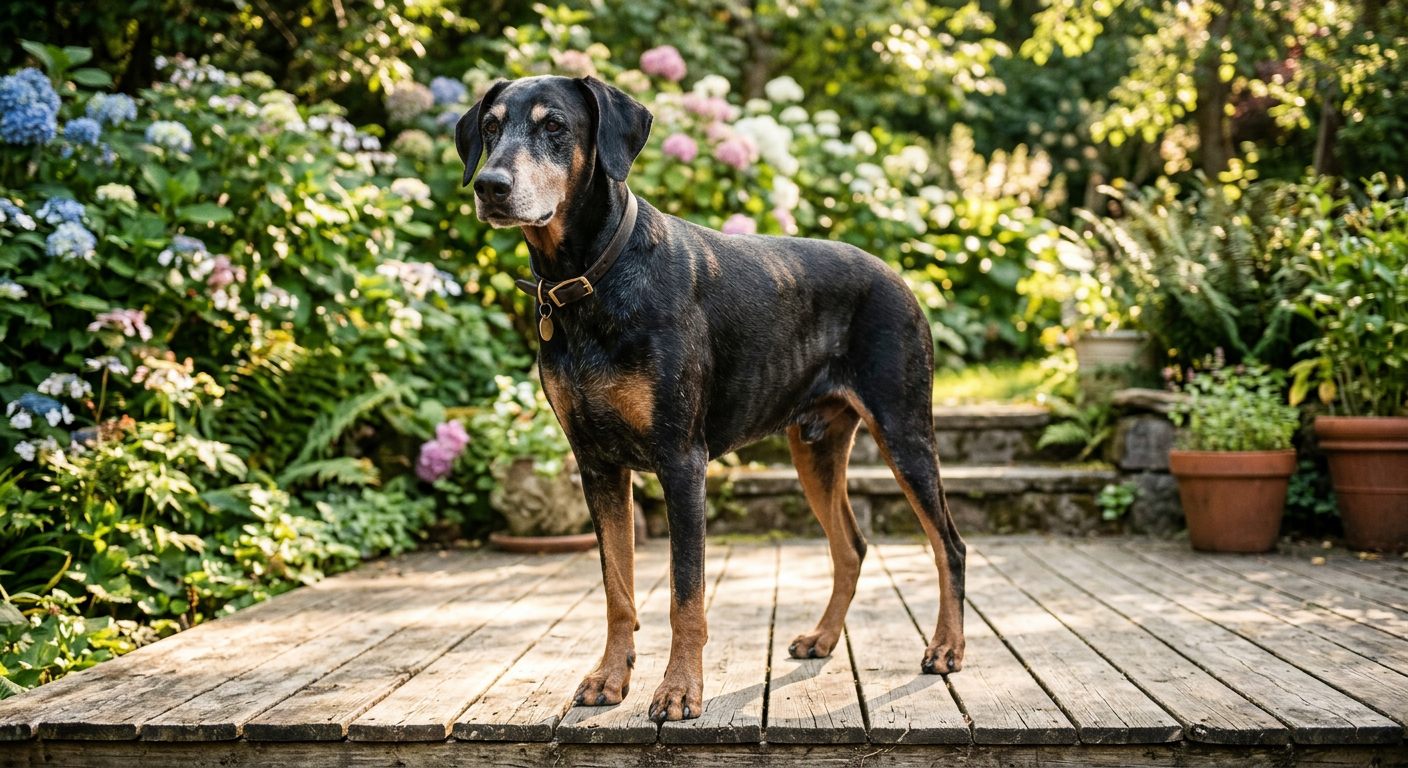
Sometimes, the answer to what does it mean when my dog lifts one front paw is simply that they have found something interesting on the ground. A new scent, an unusual bug, or a strange texture can trigger a curious paw lift. It is the canine equivalent of a human leaning in to get a better look at something peculiar.
In cold weather, a dog might lift a paw because the ground is too chilly. This is common in breeds without thick fur on their extremities. If you notice your dog cycling through lifting different paws while outside in the snow, it is a clear sign they are ready to head back into the warmth.
Conclusion
Observing your dog’s body language is one of the most rewarding parts of being a pet parent. Whether it is an instinctive pointing stance, a request for a belly rub, or a sign of uncertainty, the raised paw is a versatile tool in your dog's communication kit. By paying attention to the environment and your dog's overall demeanor, you can accurately answer the question of what does it mean when my dog lifts one front paw for your specific pet.
Always remember that every dog is an individual. While these guidelines cover the most common reasons for paw lifting, your dog may have their own unique "slang" they use just with you. As always, for any concerns regarding your dog's physical movement or health, consult with a veterinary professional to keep your companion happy and healthy.