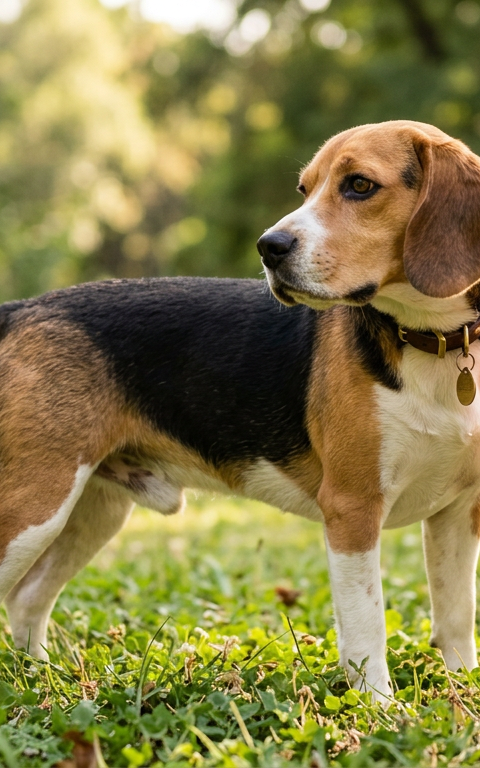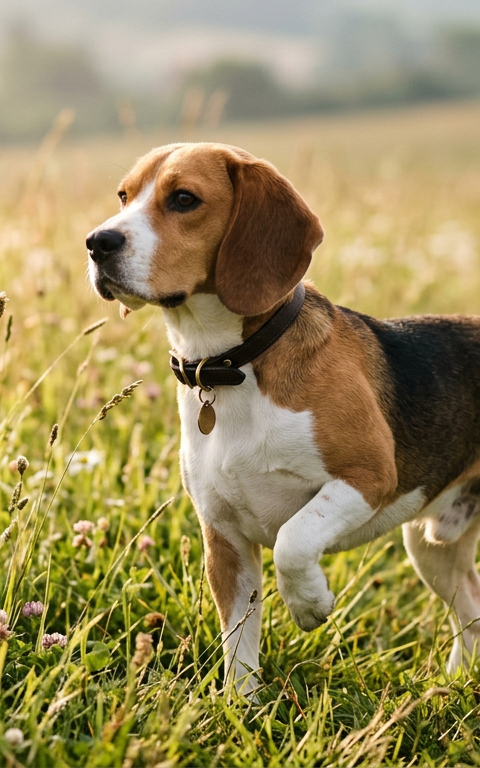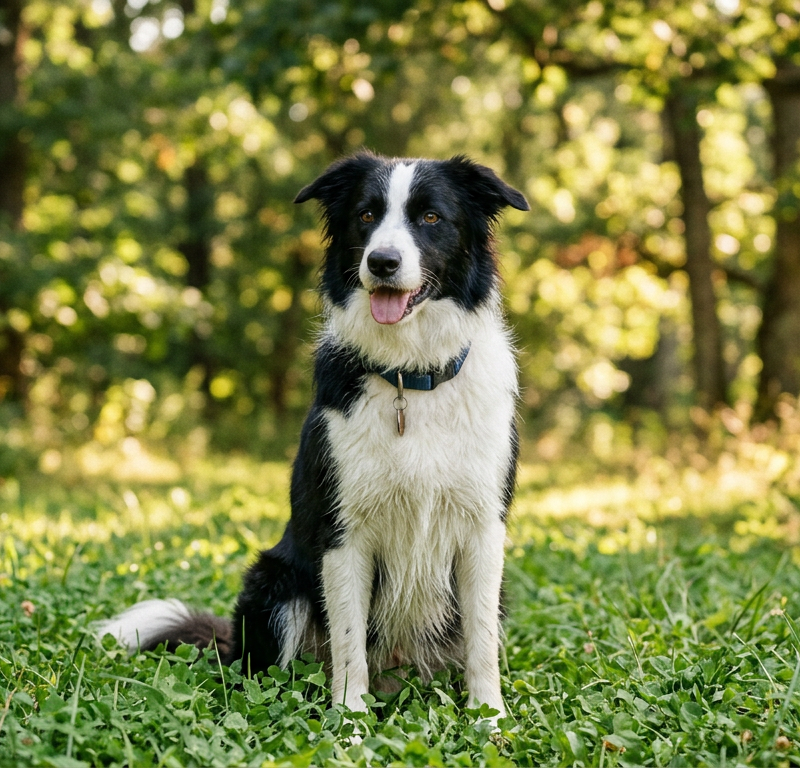
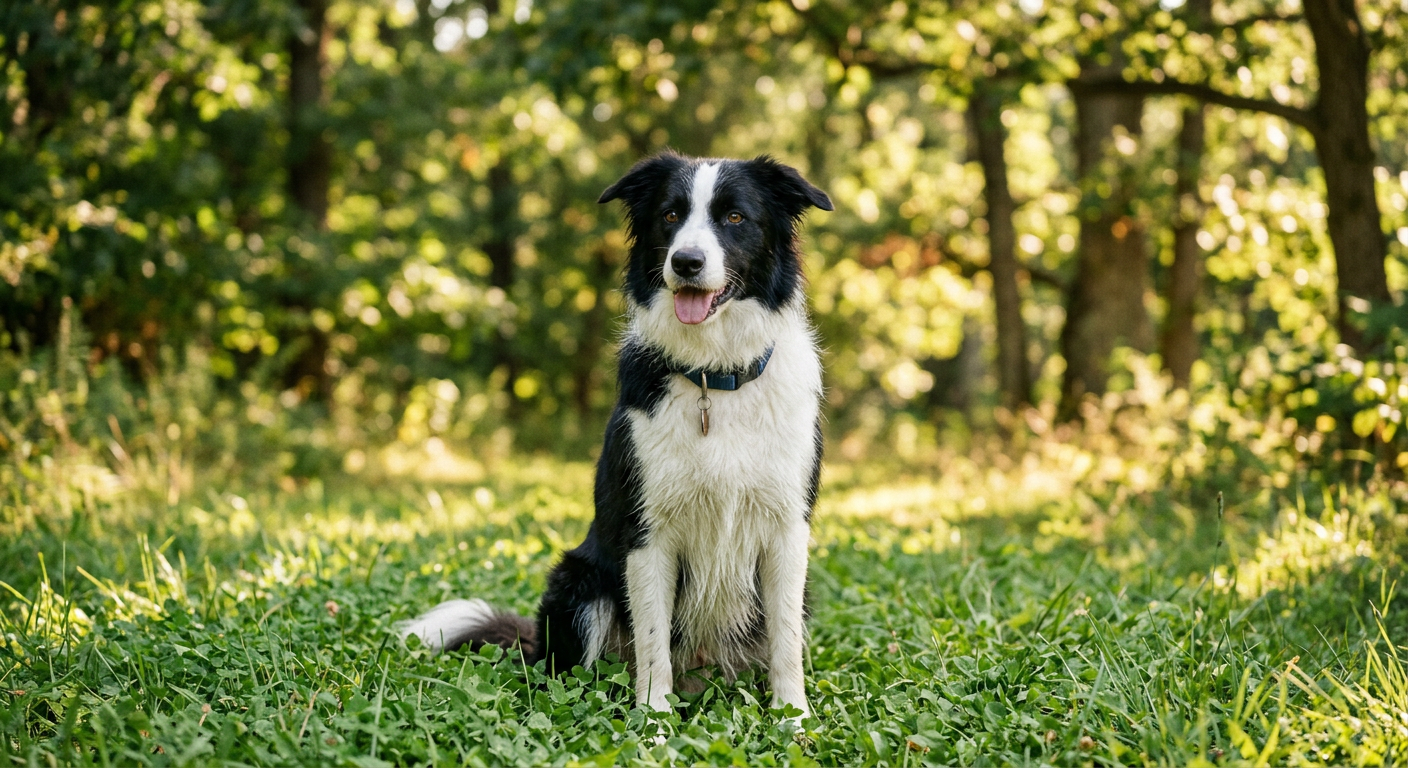
When you look at your furry friend and see them lounging on the rug with their tongue lolling out, you might wonder, what does a relaxed open mouth mean in dogs? This common expression is often described by pet parents as a "doggy smile," and for good reason. It is one of the most positive signals in the canine lexicon of body language.
Understanding these subtle cues helps you build a deeper bond with your pet. While humans use words to express contentment, dogs rely on facial tension, ear positioning, and mouth shape to tell us how they feel. A soft, open mouth generally indicates that a dog is in a state of rest or social equilibrium.
The Anatomy of a Relaxed Canine Smile
A truly relaxed mouth isn't just about being open; it involves a lack of tension in the surrounding muscles. In this state, the dog’s lips are loose, covering the teeth naturally without being pulled back or pushed forward. You might even see a bit of the tongue peeking out or hanging over the side of the bottom teeth.
This expression is often accompanied by "soft eyes," where the eyelids are slightly droopy or squinted. If you notice your pet looking at you this way, they are likely feeling very safe in your presence. It is a stark contrast to the stiff, closed-mouth stare often seen when a dog is focused or alert.
Differentiating Relaxation from Heat Regulation
It is important to distinguish between a calm, open-mouthed expression and active panting. While both involve an open mouth, panting is a functional behavior used to cool down the body. When a dog pants, the breath is rhythmic, and the tongue may be extended further out to maximize surface area for evaporation.
A relaxed mouth, on the other hand, usually features very shallow, quiet breathing. The dog isn't working to regulate their temperature; they are simply resting their jaw. If you're curious about how age affects these behaviors, you can check our Labrador Retriever age calculator to see how maturity impacts a dog's energy levels and resting states.
What Your Dogs Open Mouth Says About Their Mood
When we ask what does a relaxed open mouth mean in dogs, we are really looking for a window into their emotional well-being. This posture typically signifies that the dog’s "parasympathetic nervous system" is in control. This is the "rest and digest" mode where the body feels no immediate threat.
- Contentment: The dog is satisfied with their current environment.
- Approachability: An open, soft mouth is a social invitation to other dogs and humans.
- Play Readiness: Often, this expression precedes a "play bow," signaling that any upcoming physical contact is just for fun.
- Lack of Conflict: It shows the dog has no intention of guarding resources or defending territory at that moment.
If you see this expression while your dog is playing, it’s a great sign. You can learn more about these social cues in our guide on understanding play bows and invitations. It helps distinguish between a dog that is truly enjoying themselves and one that might be getting overstimulated.
Context Matters in Body Language
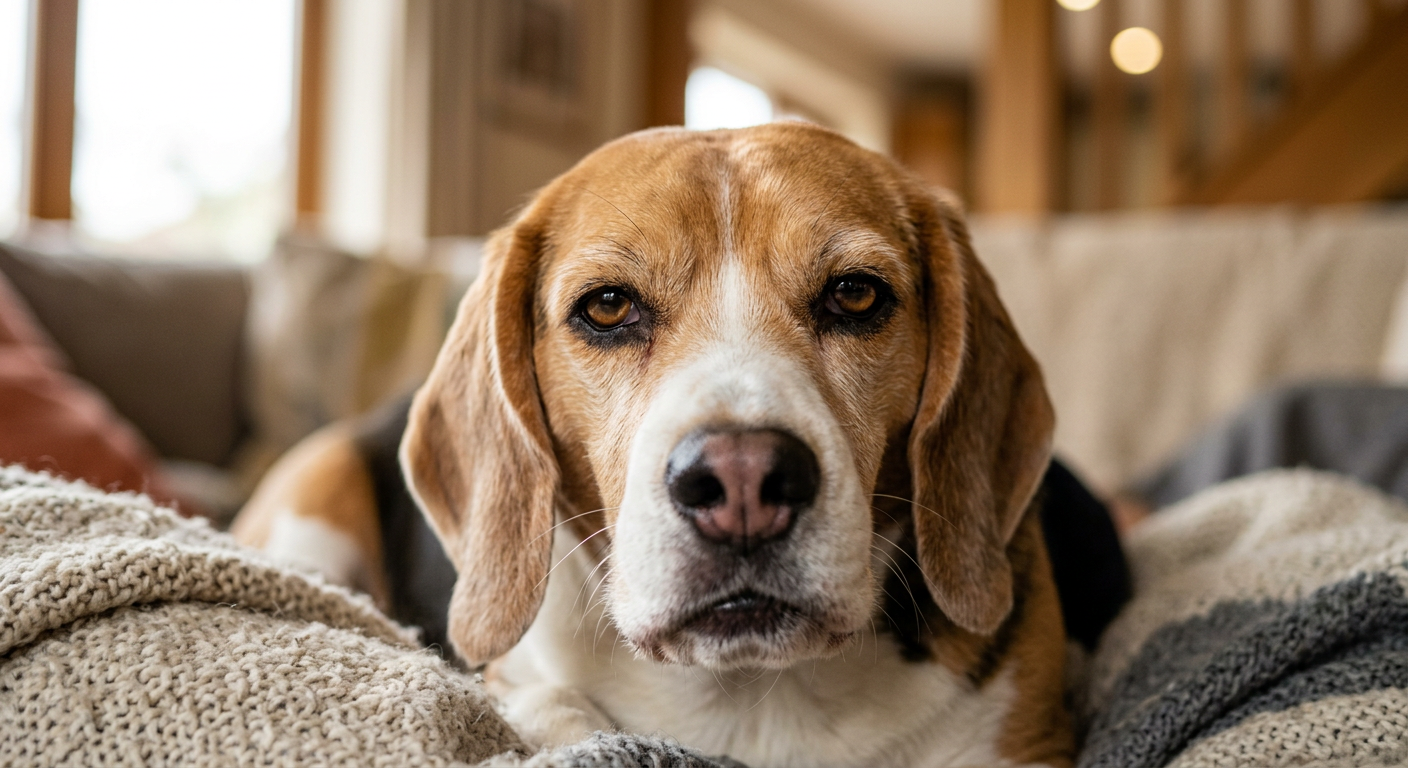
No single body part tells the whole story. To fully understand what an open-mouthed expression signifies, you must look at the "whole dog." For instance, a relaxed mouth paired with a stiff, upright tail might mean something very different than a relaxed mouth paired with a loose, wagging tail.
The Role of Ear Positioning
Ears are high-speed indicators of a dog's internal state. When the mouth is open and relaxed, the ears are usually in a "neutral" position for the breed—not pinned back in fear, nor thrust forward in intense concentration. For more details on this, see our article on reading your dog's ear positions.
The "C-Curve" Body Shape
A dog with a relaxed mouth will often have a "wiggly" or soft body. If they are standing, they might have a slight curve to their spine, often called a C-curve, which indicates they are ready to interact in a friendly way. If the body is straight and tense like a statue, even an open mouth could be a sign of stress or heavy panting rather than true relaxation.
When an Open Mouth Isn't Relaxed
While we love seeing our dogs "smile," there are times when an open mouth is a signal for proactive care. If the corners of the mouth are pulled back tightly (sometimes called a "long lip"), the dog may be experiencing "stress panting." This looks different because the facial muscles appear taut rather than soft.
Submissive grins are another variation. Some dogs lift their front lips to show their teeth in a way that looks like a human smile. This is often a way to show they are not a threat, but it’s a social tool used during moments of slight insecurity or greeting, rather than a sign of pure relaxation.
Encouraging a Relaxed State in Your Dog
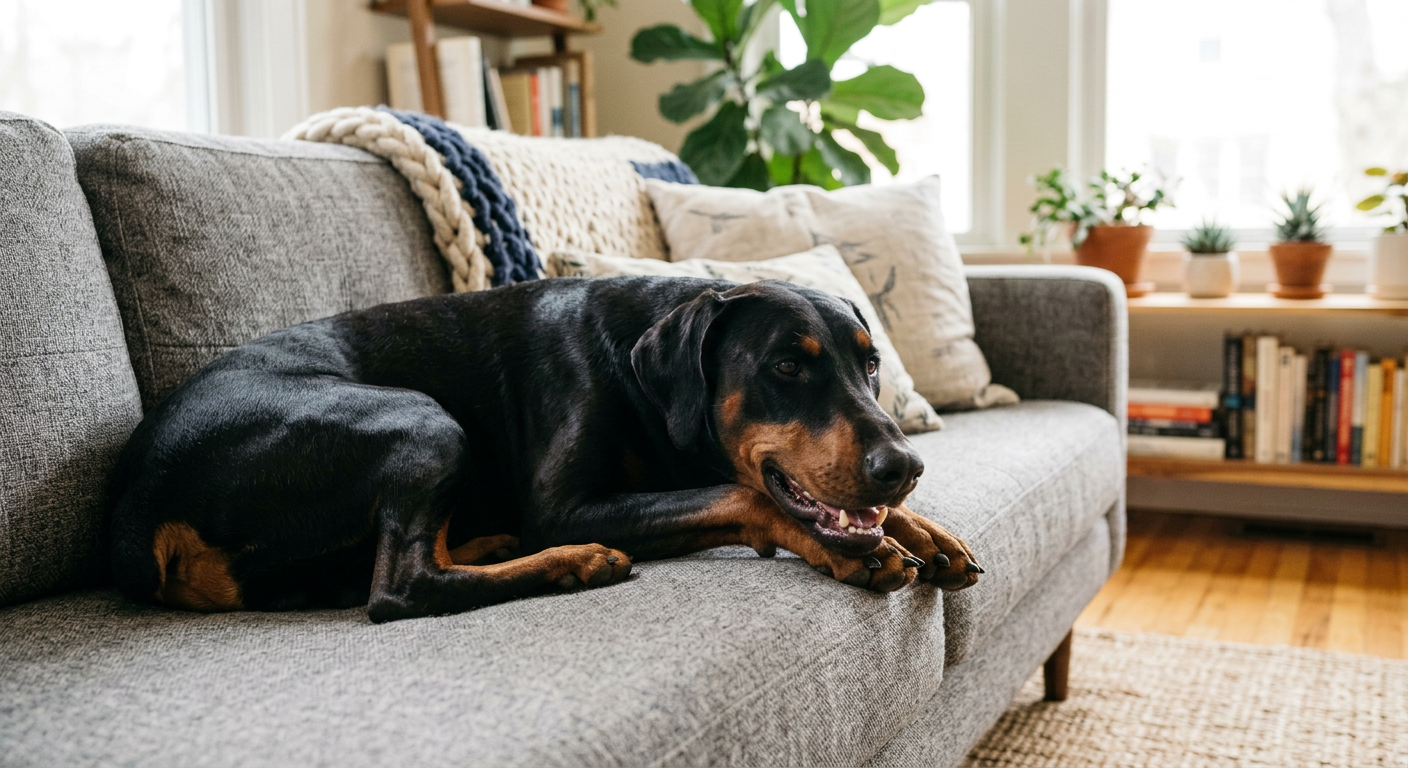
As pet parents, we want to see that soft, happy expression as often as possible. Creating a calm environment is the best way to foster this behavior. Consistent routines, plenty of mental stimulation, and a safe space to sleep all contribute to a dog’s ability to truly let their guard down.
When you observe your dog showing a relaxed open mouth during training or quiet time, it’s a sign that your bond is strong. They trust you enough to disengage their "alert" muscles. Different breeds may show this differently; for example, a Boxer vs Rottweiler comparison shows how head shape can change how we perceive these soft facial cues.
Common Questions About Dog Smiles
Many owners wonder if dogs "smile" at us on purpose. While dogs don't smile for the same social reasons humans do, they are masters of observation. If they notice that making a certain relaxed face gets them belly rubs or treats, they are likely to repeat the behavior.
It is also a form of emotional contagion. If you are relaxed and happy, your dog is more likely to mirror that state. This is why spending quiet, quality time with your pet is so beneficial for both of you. It allows them the space to transition into that peaceful, open-mouthed state of being.
Final Thoughts on Dog Body Language
So, what does a relaxed open mouth mean in dogs? It is the ultimate green light. It tells you that your dog is comfortable, happy, and at peace with the world around them. It is a sign of a well-adjusted pet who feels secure in their home.
Always remember that every dog is an individual. Getting to know your specific dog's "baseline" for relaxation is key to being a great pet parent. If you ever notice a sudden change in how your dog holds their mouth or if they seem unable to close it, always consult with your veterinarian to rule out any dental or wellness considerations.