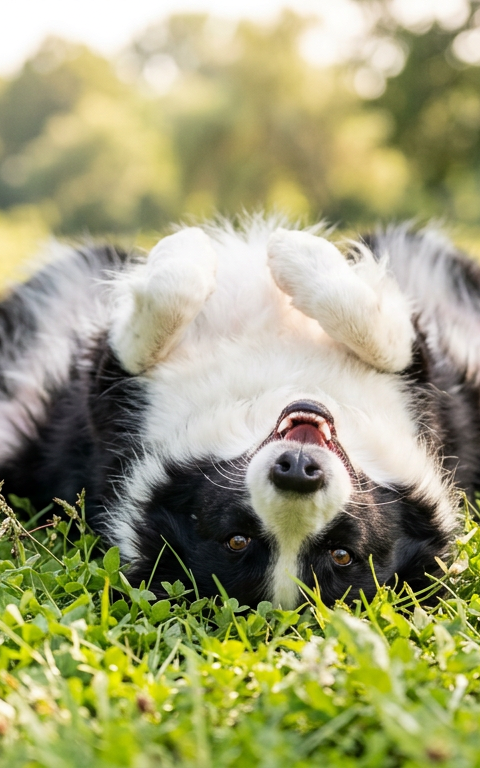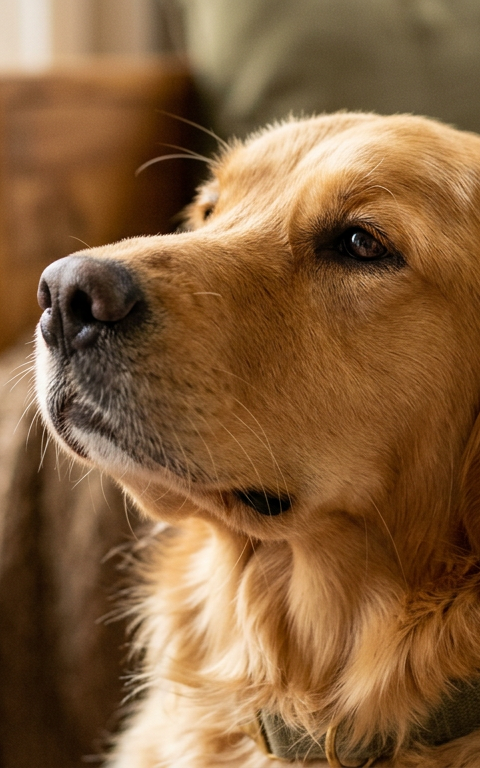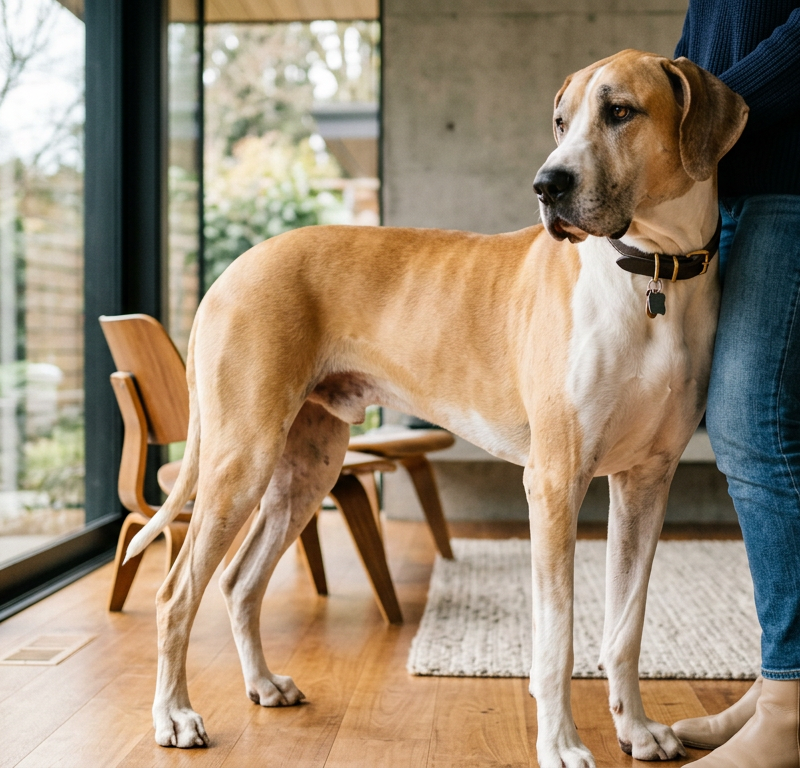
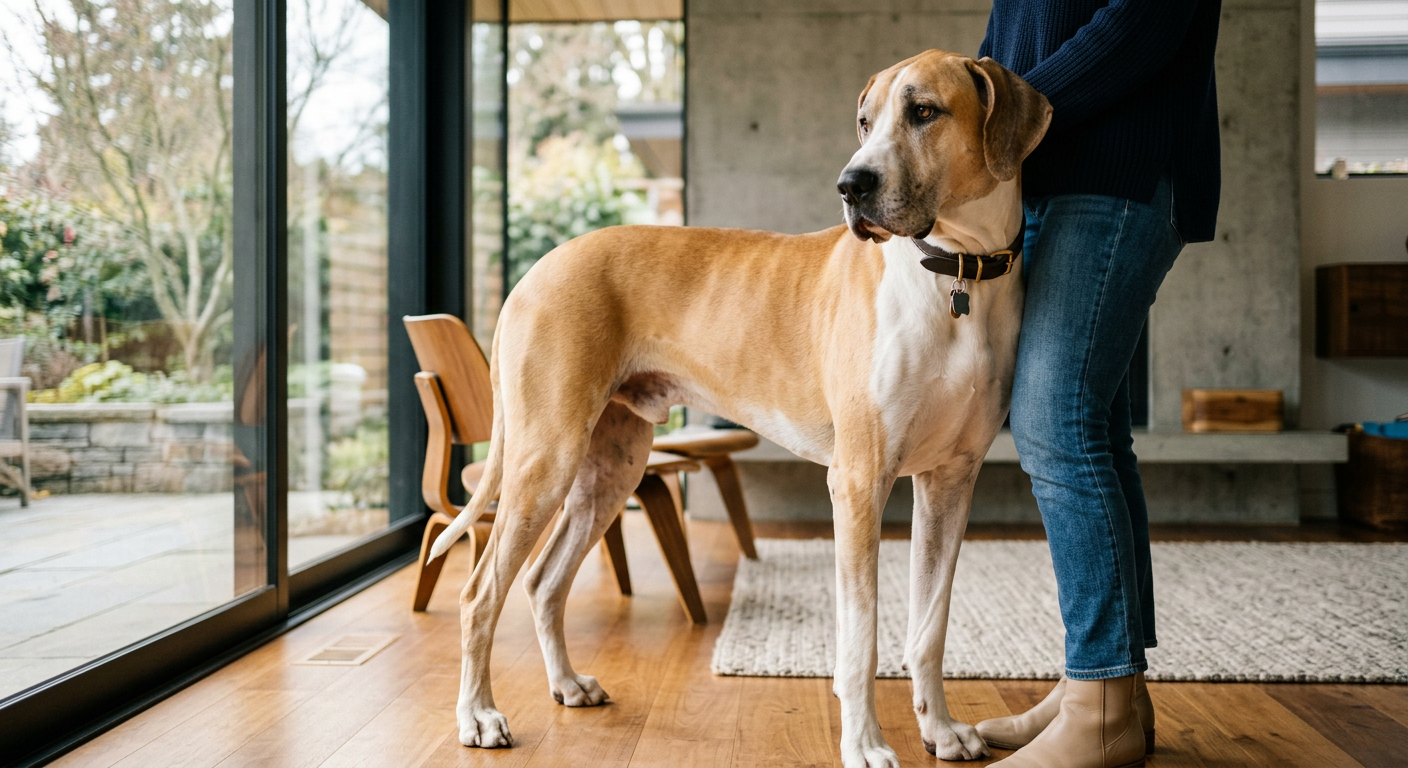
If you have ever been standing in the kitchen or chatting with a neighbor and felt a sudden weight against your shins, you are likely experiencing a common canine behavior. Many pet parents find themselves asking, why does my dog lean against my legs while standing, as it can happen quite frequently during daily interactions. This physical contact is one of the most heartwarming ways our companions communicate with us without making a sound.
Dogs use their bodies to express a wide range of emotions, from excitement to a need for comfort. While humans primarily communicate through speech, dogs rely heavily on tactile feedback to understand their environment and their place within the "pack." When your dog leans their full body weight against you, they are sending a specific message that usually involves trust, affection, or a desire for security.
Understanding these subtle physical cues can significantly strengthen the bond between you and your pet. By looking at the context of the lean—where you are, who else is around, and your dog's general temperament—you can better interpret what your furry friend is trying to say. This behavior is rarely accidental and often serves a specific emotional purpose for the dog.
The Primary Language of Affection and Trust
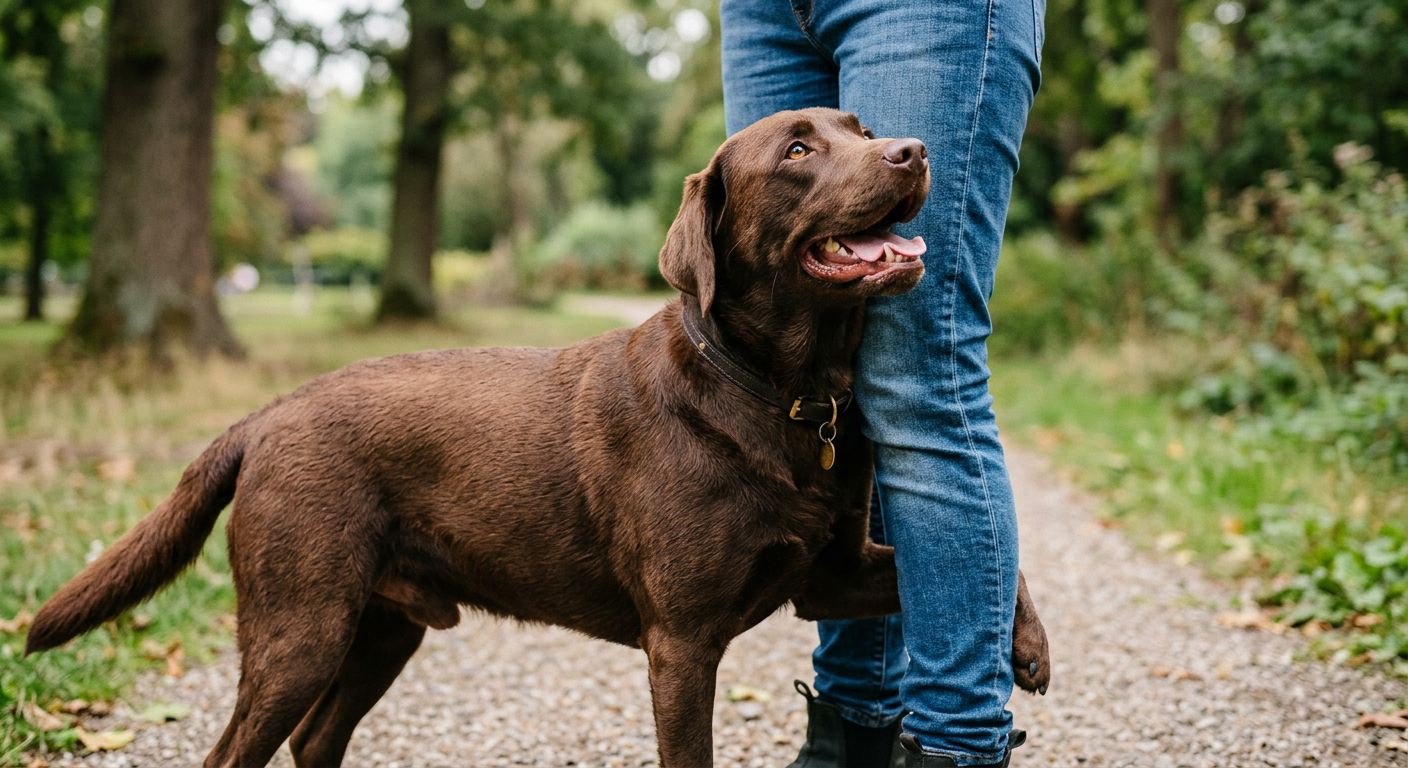
One of the most common reasons a dog leans against your legs is simply to show affection. In the canine world, physical proximity is a huge indicator of social bonding. While humans might hug or hold hands, a dog uses a "lean" to maintain a physical connection with their favorite person.
This behavior is often referred to as a "canine hug." By pressing their body against yours, your dog is releasing oxytocin, often called the love hormone, which helps them feel happy and relaxed. It is a sign of deep trust because, by leaning, the dog is putting themselves in a slightly vulnerable position, relying on you to keep them upright.
If you notice this happening when you are relaxed at home, it is likely a sign of contentment. Your dog is essentially saying, "I like being near you, and I feel safe here." This is particularly common in breeds known for being "velcro dogs," such as the Labrador Retriever or the Golden Retriever.
Seeking Comfort and Security
Sometimes, the lean is less about "I love you" and more about "I need you." In new environments or stressful situations, your dog might use your legs as an anchor. If you are at a busy park or a loud event, leaning provides them with a sense of physical and emotional grounding.
Feeling your solid presence helps regulate their nervous system. If they are feeling a bit shy or overwhelmed, pressing against your legs acts as a reassurance that you are there to protect them. It is a proactive way for them to manage their own wellness and emotional state during moments of uncertainty.
Social Contact and Attention Seeking
Let's be honest: dogs are clever. They quickly learn which behaviors result in a head scratch or a "good boy." If your dog leans on you and you immediately reach down to pet them, they have successfully learned a way to initiate contact. It is a gentle, non-intrusive way to ask for your attention without barking or jumping.
This type of leaning is often accompanied by other subtle body language cues. For example, your dog might look up at you with soft eyes or a slightly wagging tail. To understand more about what these signals mean, you might want to read about what your dog's eyes are telling you in our detailed guide.
If the lean happens specifically when you are busy—perhaps on a phone call or working at a standing desk—your dog might be reminding you that they are there and ready for some interaction. It is a polite request for a break and some shared time.
Are They Trying to Be Dominant?
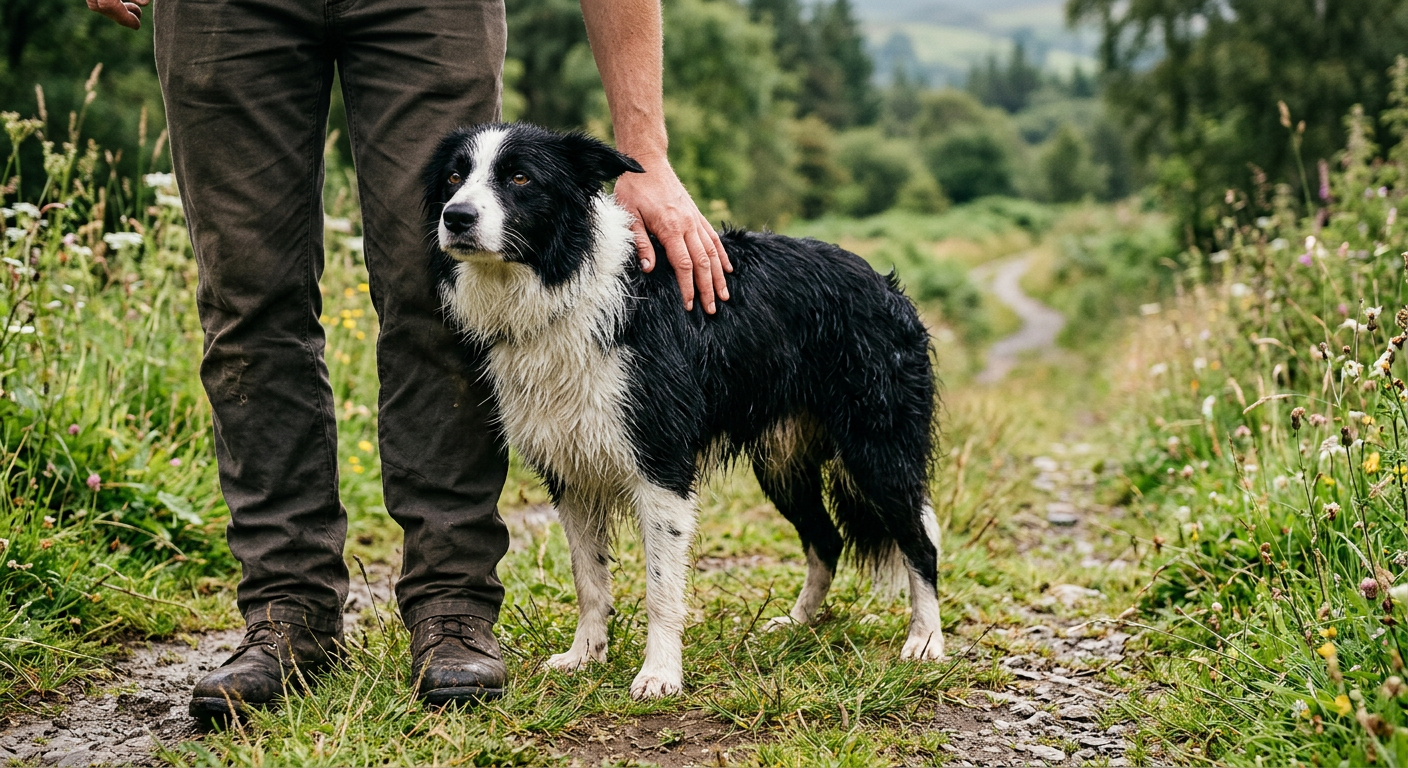
There is an old myth in dog training that leaning is a sign of "dominance" or an attempt to take over the household. Modern animal behaviorists have largely debunked this idea. For the vast majority of dogs, leaning has nothing to do with power struggles and everything to do with social connection and security.
If your dog were truly trying to be "dominant" (a concept that is often misunderstood), the behavior would likely be accompanied by stiff body posture, staring, or growling. A soft, relaxed lean is almost always a positive or neutral behavior. It is important to view these interactions through a lens of companionship rather than competition.
Breed Specific Leaning Tendencies
While any dog can be a "leaner," certain breeds are more famous for this trait than others. Large breeds often lean simply because they are at the perfect height to reach your knees or thighs. It is a comfortable way for them to rest while staying close to you.
- Great Danes: Often called "the world's biggest lap dogs," they are notorious for leaning against people's legs because they don't realize how big they are.
- German Shepherds: These dogs are very loyal and often lean to keep a close eye on their "person" while providing a sense of mutual protection.
- Bernese Mountain Dogs: Known for their affectionate nature, they often use their weight to stay connected to their family members.
- Greyhounds: Despite their athletic build, many Greyhounds are quite shy and lean for comfort in social settings.
If you are curious about how these traits differ across breeds, you can check out a comparison like the German Shepherd vs Labrador Retriever to see how their temperaments and physical needs vary.
Checking for Physical Discomfort
While most leaning is behavioral, it is always wise to keep an eye on your dog's physical health. On rare occasions, a dog might lean against you or a piece of furniture because they are having trouble balancing or are experiencing joint discomfort. This is more common in senior dogs or dogs with known mobility issues.
If the leaning is a brand-new behavior and is accompanied by limping, lethargy, or a reluctance to move, it may be time for a check-up. Proactive care involves observing changes in how your dog carries their weight. If you suspect they are using you as a literal crutch because of pain, please consult your veterinarian to ensure they are comfortable.
Responding to the Lean
How should you react when your dog leans? For most owners, the best response is a gentle pat or a kind word. Reinforcing this behavior with positive attention encourages your dog to continue seeking connection in a calm, non-disruptive way. It is a much "quieter" behavior than jumping up, which most owners try to discourage.
If your dog is leaning because they are nervous, your calm presence is the best remedy. Avoid "fussing" over them in a way that increases their anxiety; instead, provide a steady hand on their shoulder or back to let them know you are their "safe base." This helps them gain confidence in new environments.
A Note on Silent Communication
Leaning is just one part of a complex system of silent communication. Dogs communicate with their whole bodies, from the tips of their noses to the ends of their tails. Learning to read these signs can make you a much more effective pet parent.
For instance, if your dog is leaning against you while their ears are pinned back, they might be feeling more anxious than affectionate. You can learn more about these nuances by reading our guide on reading your dog's ear positions. Combining the "lean" with other signals gives you a complete picture of your dog's emotional state.
Conclusion
The next time you wonder why does my dog lean against my legs while standing, remember that it is usually a compliment of the highest order. Whether they are seeking a little extra love, looking for security in a crowd, or just wanting to be as close to you as possible, it is a sign of your dog's devotion. By paying attention to these physical moments, you are participating in a beautiful, silent conversation that spans back thousands of years.
Enjoy the closeness and the trust your dog is placing in you. As long as the behavior is relaxed and your dog seems happy, there is no reason to discourage the lean. It is simply one of the many ways our dogs remind us that we are the center of their world.