Observing your canine companion at the park can be a joyful experience until an unexpected social interaction occurs. You might find yourself wondering why does my dog hump other dogs of same sex when you previously assumed this behavior was strictly related to mating. It is a common situation that many pet owners face, often leading to a bit of embarrassment or confusion in public settings.
In the world of canine communication, mounting is a complex behavior that serves many purposes beyond reproduction. Understanding these motivations helps you manage your dog's social life with confidence and care. Whether you have a young pup or a senior, these actions are usually part of a broader behavioral toolkit they use to navigate their environment.
Social Communication and Play Dynamics
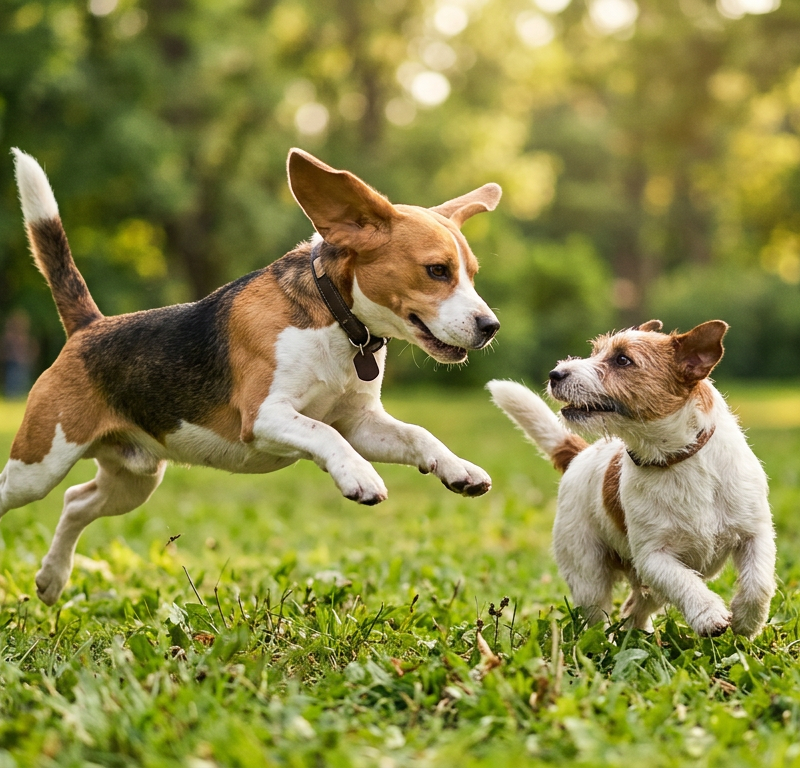
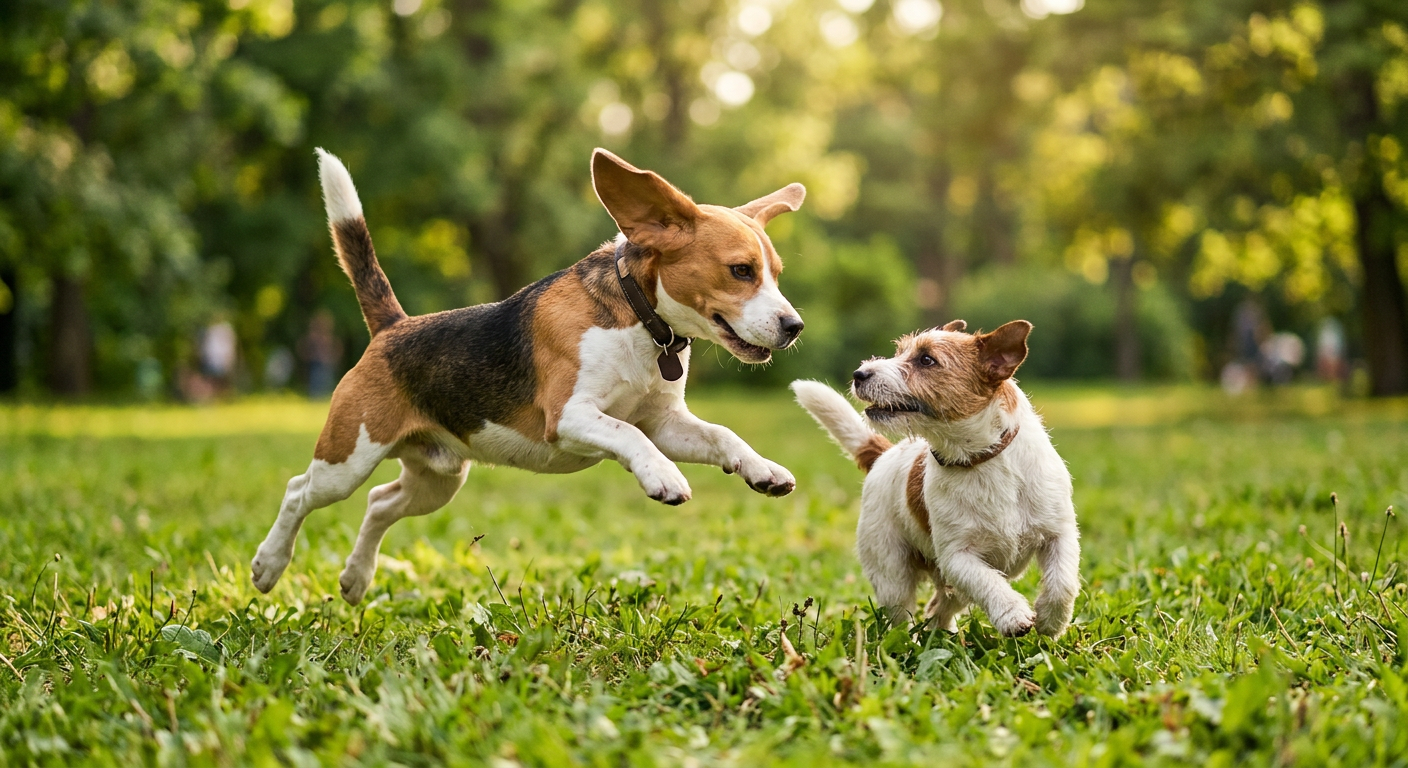
One of the most frequent reasons for same-sex mounting is simply high-arousal play. When dogs get excited during a game of chase or wrestling, their energy levels can peak. Humping becomes a physical outlet for that intense "zoomie" energy, regardless of the gender of their playmate.
In many cases, this is a non-sexual way for dogs to test boundaries or assert themselves within a temporary social group. It is not necessarily about being "dominant" in a negative sense, but rather a way of establishing a social hierarchy during play. If the other dog doesn't mind, it often passes quickly as they return to running and sniffing.
Displacement Behavior and Overstimulation
Sometimes, a dog will mount another dog when they feel overwhelmed. This is known as displacement behavior. If a dog is unsure how to handle a complex social situation or is feeling slightly anxious, they might default to humping as a way to relieve internal tension. It is similar to a human pacing or fidgeting when they are nervous.
If you notice your dog engaging in this when they seem a bit stressed, it might be time for a short break. You can take them for a quick walk away from the group to help them reset their emotional state. Understanding these subtle cues is part of being a proactive pet parent.
The Role of Hormones and Development
Even in dogs that have been spayed or neutered, hormonal influences can still play a role in mounting behaviors. While the "drive" to reproduce is gone, the neurological pathways for the behavior remain. For puppies, this is often a developmental milestone where they are practicing adult behaviors without any sexual intent behind them.
If you are curious about how your dog's age impacts their behavior, checking a tool like our Border Collie age calculator can provide context on their developmental stage. Younger dogs are significantly more likely to engage in same-sex humping as they learn the ropes of canine etiquette.
Is it a Medical Concern?
While most mounting is behavioral, there are times when wellness considerations come into play. Persistent humping can sometimes indicate physical discomfort, such as urinary tract infections, allergies, or skin irritation in the genital area. If the behavior starts suddenly and is accompanied by frequent licking, it is wise to consult your veterinarian.
When a dog suddenly acts differently, it is always worth investigating if there is an underlying physical cause. Your vet can rule out medical issues that might be driving the urge to mount or rub against objects and other animals.
Common Triggers for Same-Sex Humping
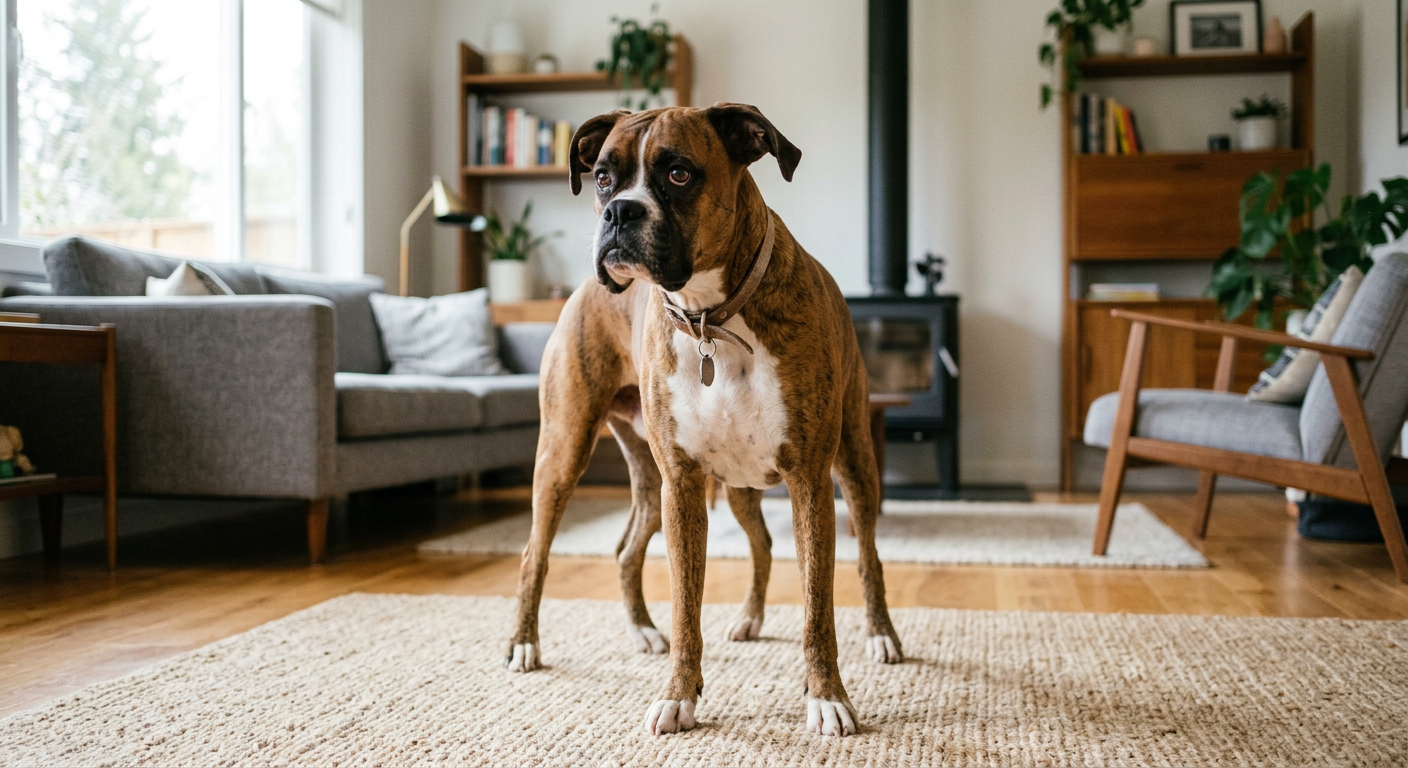
Identifying what triggers your dog can help you prevent the behavior before it starts. Every dog is an individual, but several common scenarios often lead to same-sex mounting. By observing your dog's body language, you can see the excitement building up.
- Meeting New Friends: The "newness" of a dog at the park can cause a spike in adrenaline.
- High-Impact Toys: Intense games of fetch or tug-of-war can overstimulate some dogs.
- Coming Home: Some dogs hump when their owners return because they are so happy and excited.
- Lack of Exercise: Pent-up energy often finds a physical outlet in mounting.
If you are comparing different breeds, such as a Boxer vs Poodle, you might notice that high-energy working breeds tend to exhibit these overstimulation behaviors more frequently than more sedentary breeds.
How to Manage and Redirect the Behavior
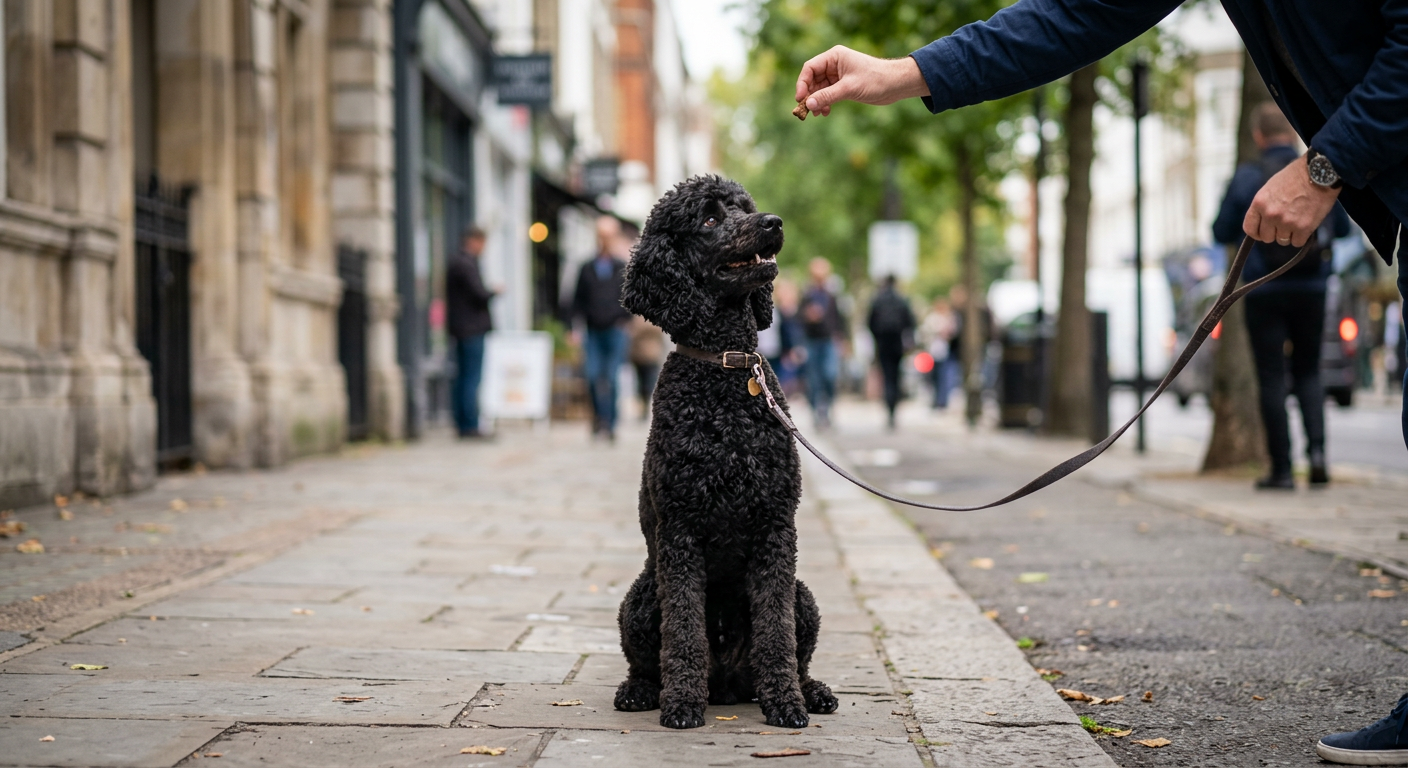
Managing same-sex humping is all about timing and positive reinforcement. You don't need to use harsh corrections. Instead, focus on redirecting your dog's attention to something more appropriate. Training a solid "look at me" or "sit" command can be incredibly helpful in these moments.
When you see your dog about to mount—usually characterized by a chin rest on the other dog's shoulder or an intense stare—intervene immediately. Use a cheerful voice to call them away and reward them with a treat or a favorite ball. This teaches them that listening to you is more rewarding than the mounting behavior.
Creating a Low-Stress Environment
If your dog tends to get humpy when guests arrive or during big parties, give them a "safe zone." This could be a crate or a separate room with a long-lasting chew toy. Reducing the overall stimulation level of the environment can prevent the urge to mount before it ever begins.
Consistency is key. Ensure every member of the household is on the same page regarding how to redirect the dog. If one person allows it and another discourages it, the dog will likely become confused and the behavior may persist.
When Should You Seek Professional Help?
If the humping becomes obsessive or leads to fights with other dogs, it may be time to speak with a professional dog trainer or a veterinary behaviorist. While the behavior itself isn't "bad," it can lead to negative reactions from other dogs who find the behavior rude. This can cause a change in social dynamics that might become difficult to manage alone.
A trainer can help you work on "impulse control" exercises. These exercises teach your dog how to stay calm even when they are excited. This is a life skill that benefits dogs in all areas of their lives, not just when interacting with other pets.
A Final Word on Canine Socializing
Understanding why does my dog hump other dogs of same sex is the first step in being a supportive owner. It is rarely an act of aggression or a sexual preference in the way humans define it. Instead, it is usually a sign of a pup who is very excited, a bit stressed, or simply learning how to interact with their peers.
By staying calm and using positive redirection, you can help your dog navigate social circles with grace. Remember to always prioritize your dog's comfort and health by keeping up with regular vet visits and providing plenty of mental and physical stimulation. With patience and training, your dog will learn better ways to express their excitement.