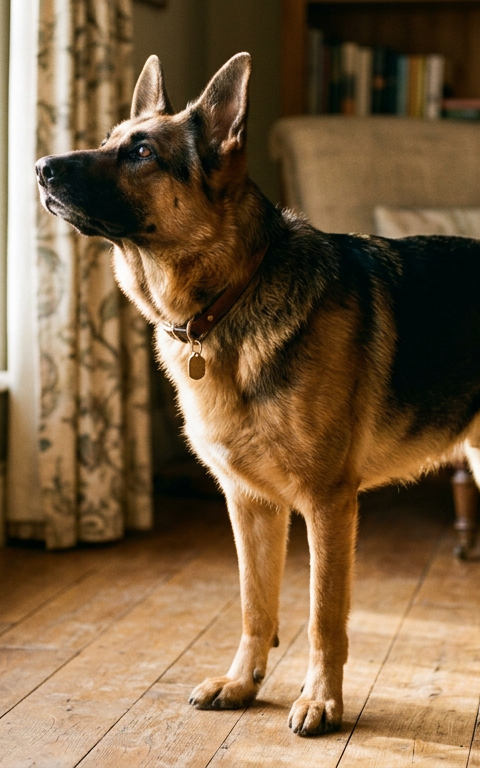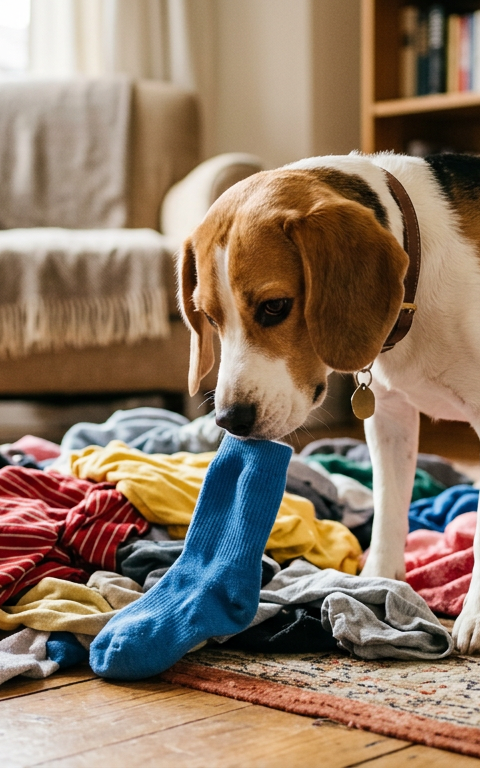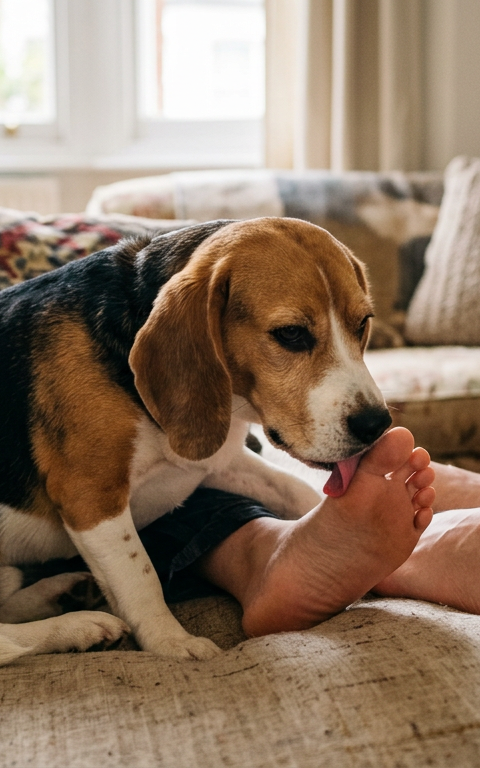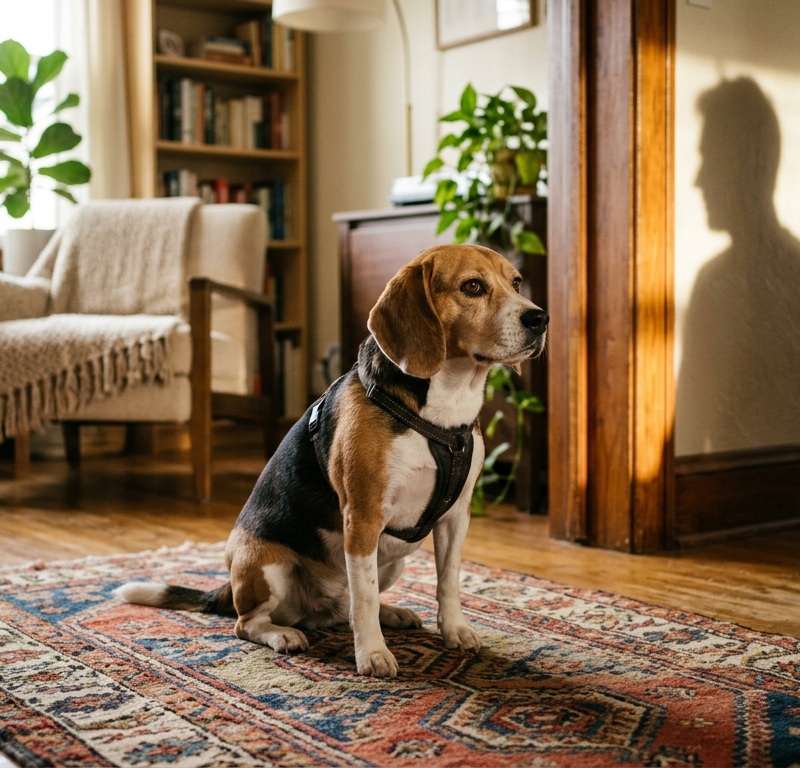
It can be a confusing and emotional experience when a beloved household pet begins to show signs of tension. If your dog suddenly aggressive toward one family member, you may feel concerned for both the person and the animal. Understanding the root of this behavior is the first step toward restoring the peaceful bond your family enjoys.
Aggression rarely happens in a vacuum. It is often a dog's way of communicating discomfort, fear, or physical pain. By observing the context and timing of these reactions, you can begin to piece together why your dog has singled out one specific person for these outbursts.
In this guide, we will explore the common reasons for sudden behavioral shifts, how to manage safety in the home, and when it is time to seek professional guidance from a veterinarian or a certified behaviorist.
Common Medical Causes for Behavioral Shifts
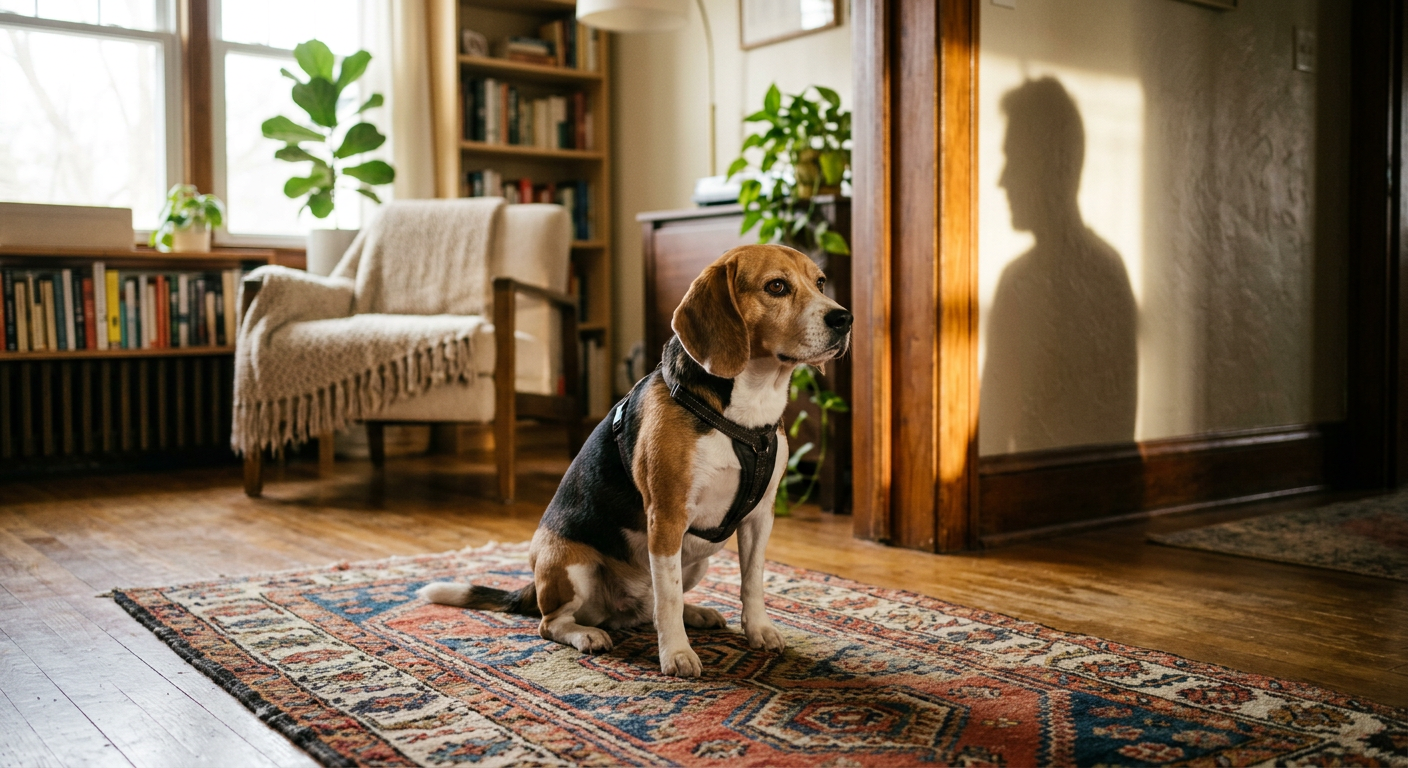
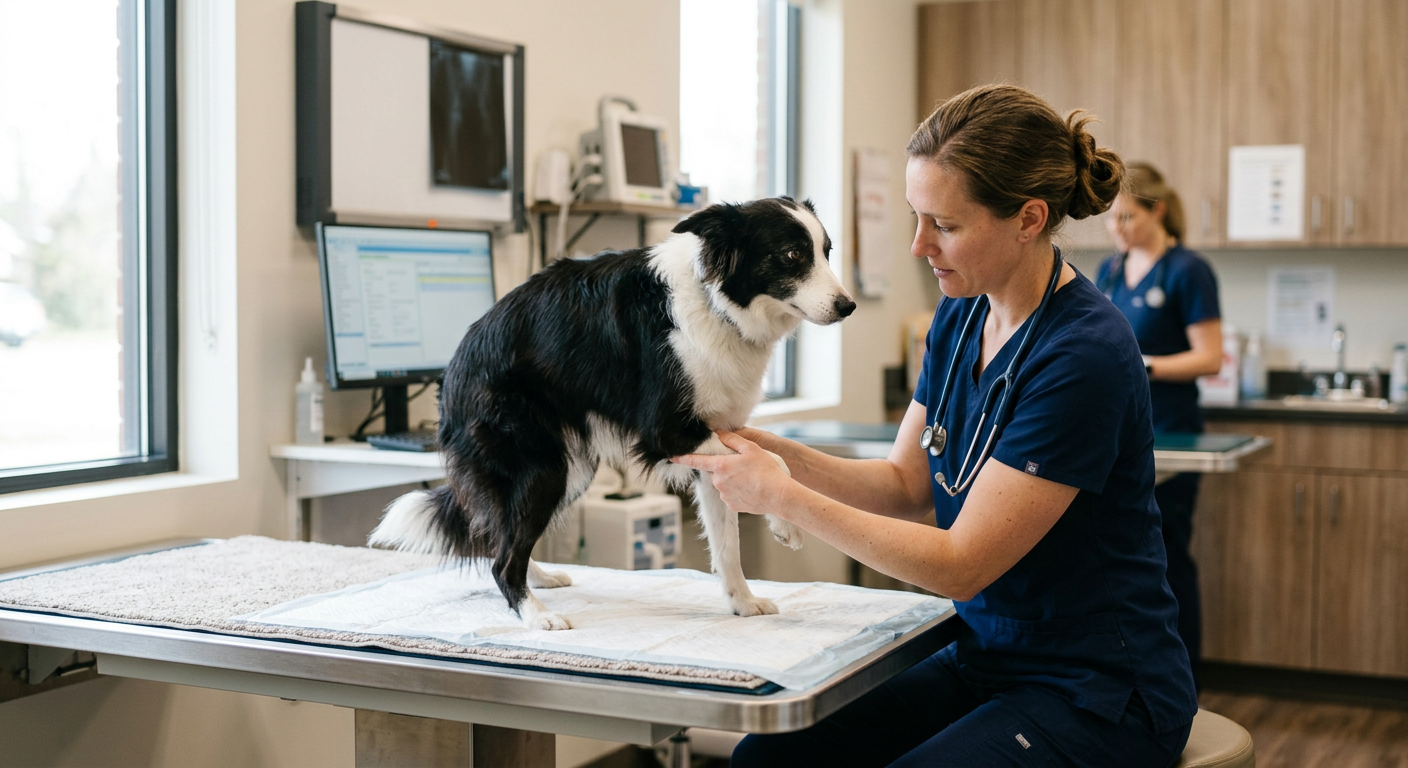
Before assuming a behavioral or emotional cause, it is vital to rule out physical wellness considerations. When a dog is in pain, their tolerance for touch and interaction drops significantly. This can manifest as growling or snapping, especially if a specific person tends to interact with the dog in a way that accidentally triggers discomfort.
The Role of Silent Pain
Arthritis, dental issues, or ear infections are often "invisible" to owners but highly stressful for dogs. If a family member is more physically active with the dog—such as the one who handles the leash or plays fetch—the dog may associate that person with the pain they feel during those activities.
Cognitive Changes and Sensory Loss
As dogs age, their vision and hearing can decline. A family member who approaches quickly or from a "blind side" might startle the dog, leading to a defensive reaction. You can use our Labrador Retriever age calculator to see if your pet is entering their senior years, which often brings about these physical changes.
Psychological Triggers and Resource Guarding
Sometimes the "aggression" is actually a misguided attempt to protect something the dog perceives as valuable. If your canine companion is suddenly acting unfriendly to one person, they might be guarding a favorite spot on the couch, a toy, or even another family member.
Resource guarding occurs when a dog feels like they might lose access to something they love. If one family member is the primary "interrupter"—the one who takes away toys at bedtime or moves the dog off the bed—the dog may develop a negative association with that person’s presence near their belongings.
- Space Guarding: Growling when the person approaches while the dog is resting.
- Person Guarding: Snapping when the person tries to sit near the dog's "favorite" human.
- Food Guarding: Tension specifically during mealtimes or when treats are present.
Changes in Household Dynamics and Environment
Dogs are creatures of habit. A sudden change in the household environment can cause stress that manifests as redirected frustration toward a specific individual. This is often seen when a dog's routine is disrupted or when a new person or pet enters the home.
Identifying New Stressors
Has the "targeted" family member recently changed their routine? Perhaps they started wearing a strong perfume, began using a noisy piece of equipment, or changed their work hours. Even subtle changes in a person's behavior or scent can be enough to make a sensitive dog feel uneasy.
Negative Associations
A single "scary" event can sometimes cause a dog to form a lasting negative association with a person. If a family member accidentally tripped over the dog or dropped a loud object near them, the dog might remain wary of that person for days or weeks. This is a form of self-preservation where the dog chooses to keep that person at a distance.
If you notice your dog is also showing other unusual habits, such as keeping to themselves, you may want to read about why a dog might be acting weird and hiding to see if there are overlapping symptoms of anxiety.
Decoding Body Language and Warning Signs
A dog is rarely "suddenly" aggressive without giving off smaller signals first. Learning to read canine body language can help you intervene before a growl or snap occurs. Most dogs will try to communicate their discomfort through "calming signals" long before they resort to aggression.
Subtle Signs of Discomfort
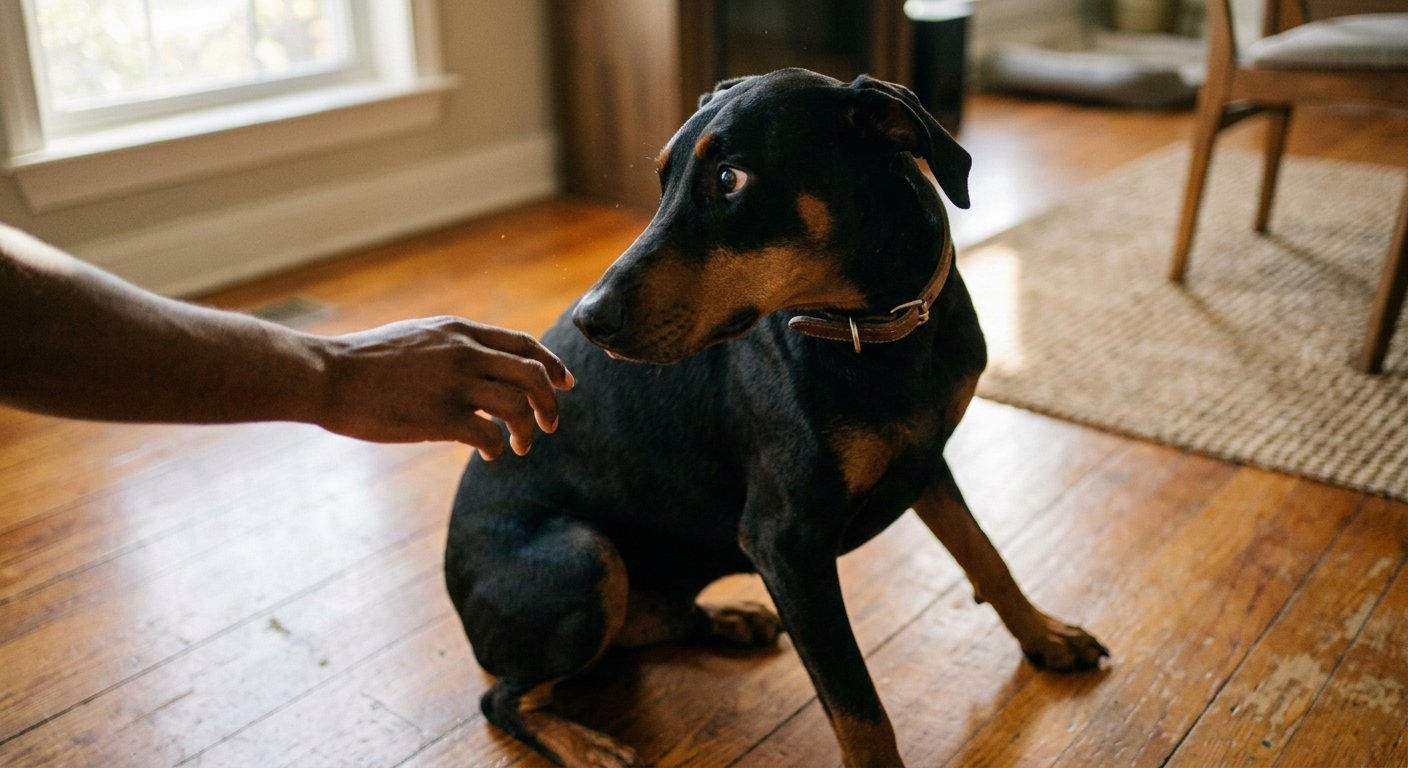
Look for lip licking (when no food is present), yawning, or turning the head away when the family member enters the room. These are "please give me space" signals. If these signs are ignored, the dog may escalate to a "whale eye" (showing the whites of the eyes) or a stiffened body posture.
The Importance of the Growl
While a growl can be upsetting, it is actually a vital communication tool. It is your dog's way of saying, "I am uncomfortable, please stop." Never punish a dog for growling, as this can teach them to skip the warning and go straight to biting next time. Instead, identify what caused the growl and safely remove the dog from the situation.
Management and Positive Reinforcement Strategies
The priority when a dog shows aggression toward a household member is safety. Management involves changing the environment so the dog doesn't feel the need to react. This might mean using baby gates to create a "safe zone" for the dog where they won't be disturbed.
Rebuilding the Relationship
Once medical issues are ruled out, you can begin "counter-conditioning." The family member the dog is struggling with should become the source of all things wonderful—but from a distance. They can "toss and retreat," throwing high-value treats toward the dog and then walking away, showing the dog that their presence results in snacks and then more space.
It is helpful to keep interactions short and positive. Avoid forcing the dog to be petted or hugged by that person. Let the dog choose when and how to approach. You can also look into how different breeds react to social changes, such as in our Boxer vs Labrador Retriever comparison, to see if breed traits play a role in their protective or sensitive nature.
Conclusion
Dealing with a dog suddenly aggressive toward one family member is a journey that requires patience and empathy. By looking at the situation from your dog's perspective—identifying potential pain, fear, or environmental stress—you can create a roadmap for improvement. Always prioritize safety and consult with a professional trainer or veterinarian to ensure the best outcome for your furry friend and your family.