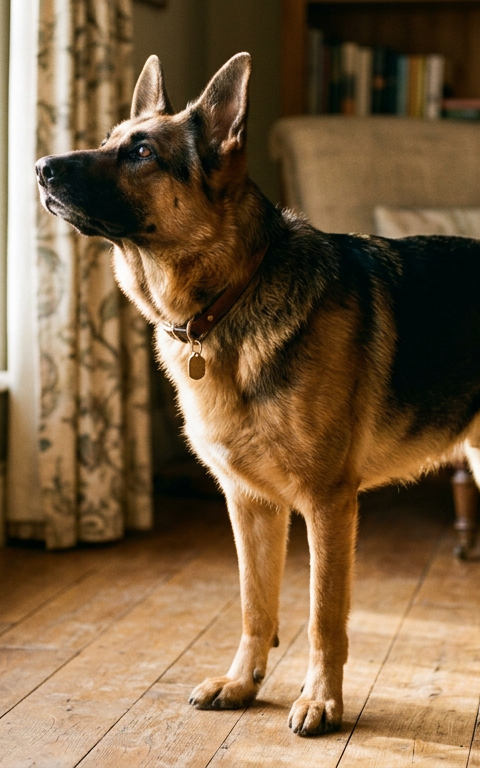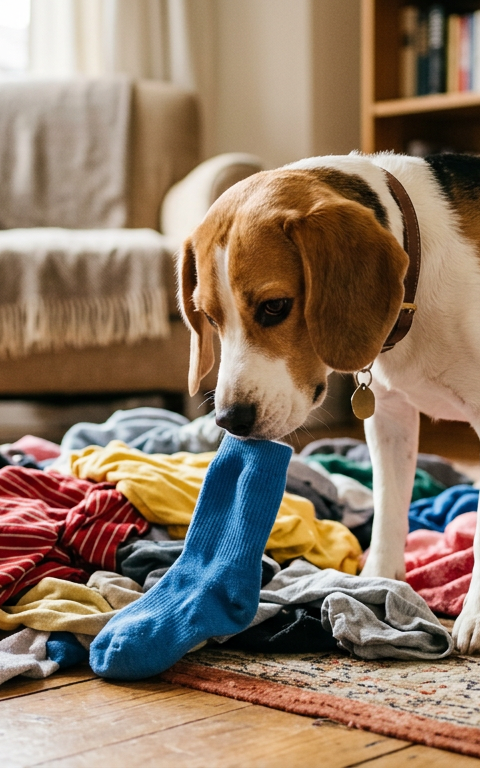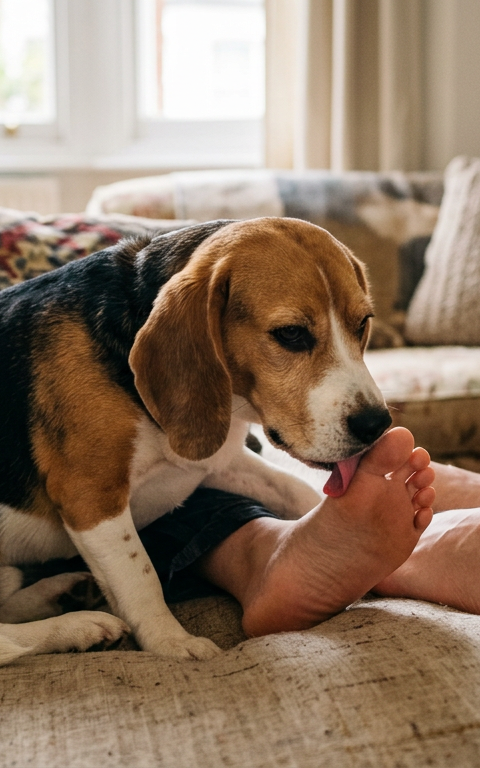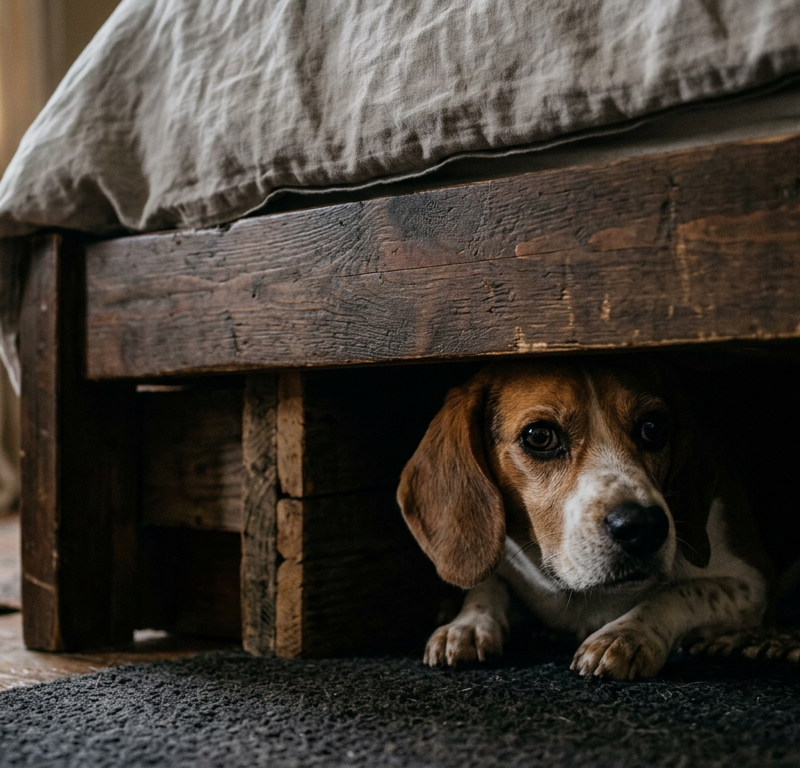
Watching your canine companion retreat to a dark corner or crawl under the bed can be a puzzling experience for any pet parent. When you notice a dog acting weird and hiding for no reason, it often feels like a mystery that needs solving. While dogs cannot speak, their body language and changes in routine serve as their primary way of communicating that something in their world has shifted.
Understanding these subtle cues is the first step toward helping your pet feel comfortable again. Whether it is a sudden sound or a minor change in the household, dogs are highly sensitive to their environments. By observing their behavior closely, you can begin to identify the underlying cause of this new reclusive habit.
Common Triggers for Sudden Hiding Behavior
Dogs are creatures of habit who find comfort in predictability. When a dog begins seeking isolation, it is usually a response to a perceived change or stressor. Even things we consider minor, like a new piece of furniture or a different cleaning product scent, can be significant to a pup.
Environmental Changes and New Noises
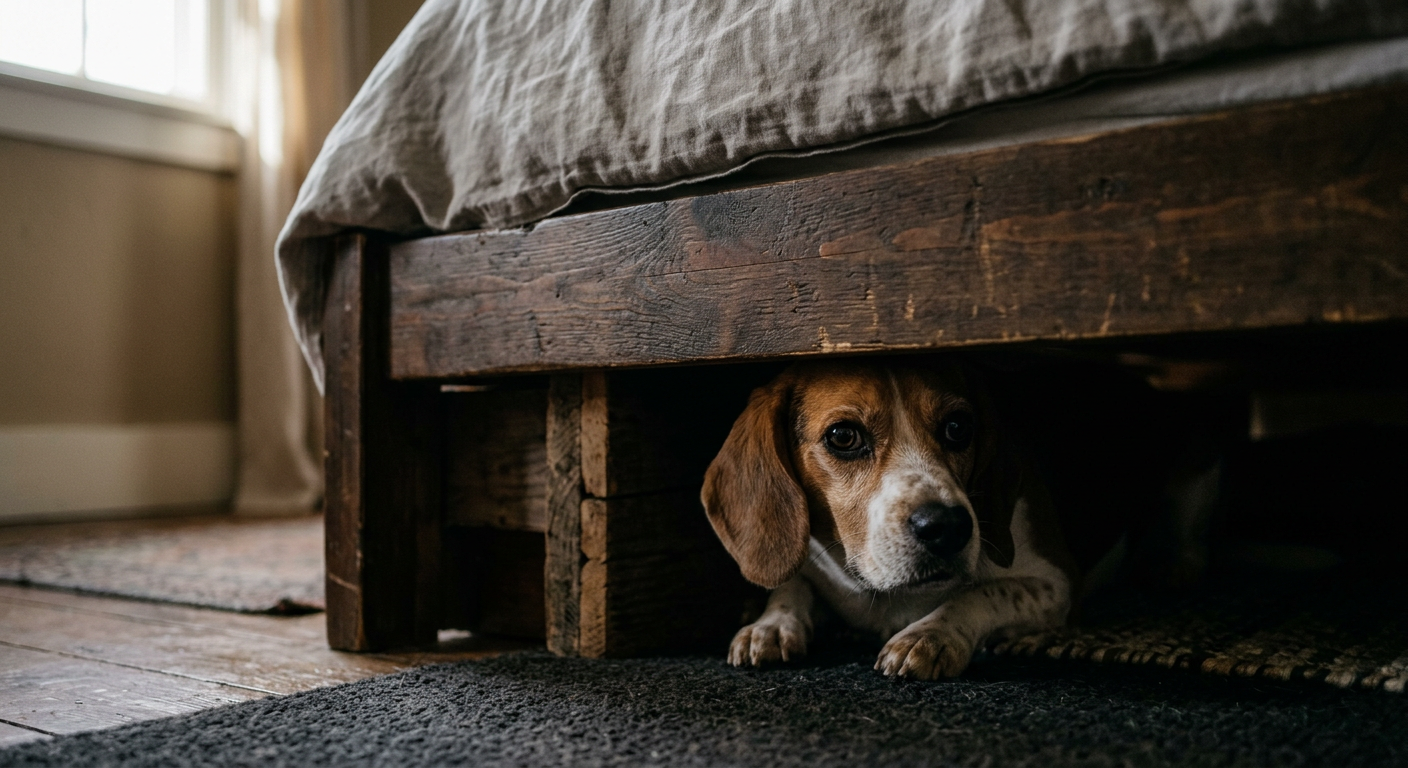
One of the most frequent reasons for a dog retreating is environmental stress. This could include loud noises like construction down the street, thunderstorms, or even the high-pitched beep of a low battery in a smoke detector. Because their hearing is much more sensitive than ours, they may hear things that we completely miss.
Social Stressors in the Household
Changes in the family dynamic can also trigger a desire to hide. The arrival of a new guest, a new baby, or even another pet can make a dog feel overwhelmed. If your furry friend feels like they are competing for attention or space, they might choose to find a quiet spot where they feel safe and undisturbed.
Wellness Considerations and Physical Comfort
When you see a dog acting weird and hiding for no reason, it is important to consider their physical well-being. Dogs often have an instinct to isolate themselves when they are not feeling their best. This is a natural survival mechanism inherited from their ancestors to avoid appearing vulnerable.
Subtle Signs of Discomfort
Sometimes, hiding is the only outward sign that a dog is experiencing a wellness issue. You might notice they are less interested in their favorite treats or that they move more slowly when coming out from their hiding spot. If this behavior persists, a visit to your veterinarian is the best course of action to rule out any underlying health concerns.
For owners of larger breeds like the Great Dane, hiding can sometimes be related to age-related joint stiffness. Learning how to calculate your pet's life stage can help you understand if these behaviors are part of the natural aging process. You can explore more about age-related shifts in our guide on why dogs suddenly act differently and what it can mean.
Digestive Sensitivity
A temporary tummy upset can also lead a dog to look for a secluded area. If they have eaten something unusual or are feeling nauseous, they may prefer the cool floor of a bathroom or the security of a closet until the feeling passes. Always monitor their water intake and bathroom habits during these episodes.
Anxiety and Emotional Well-being
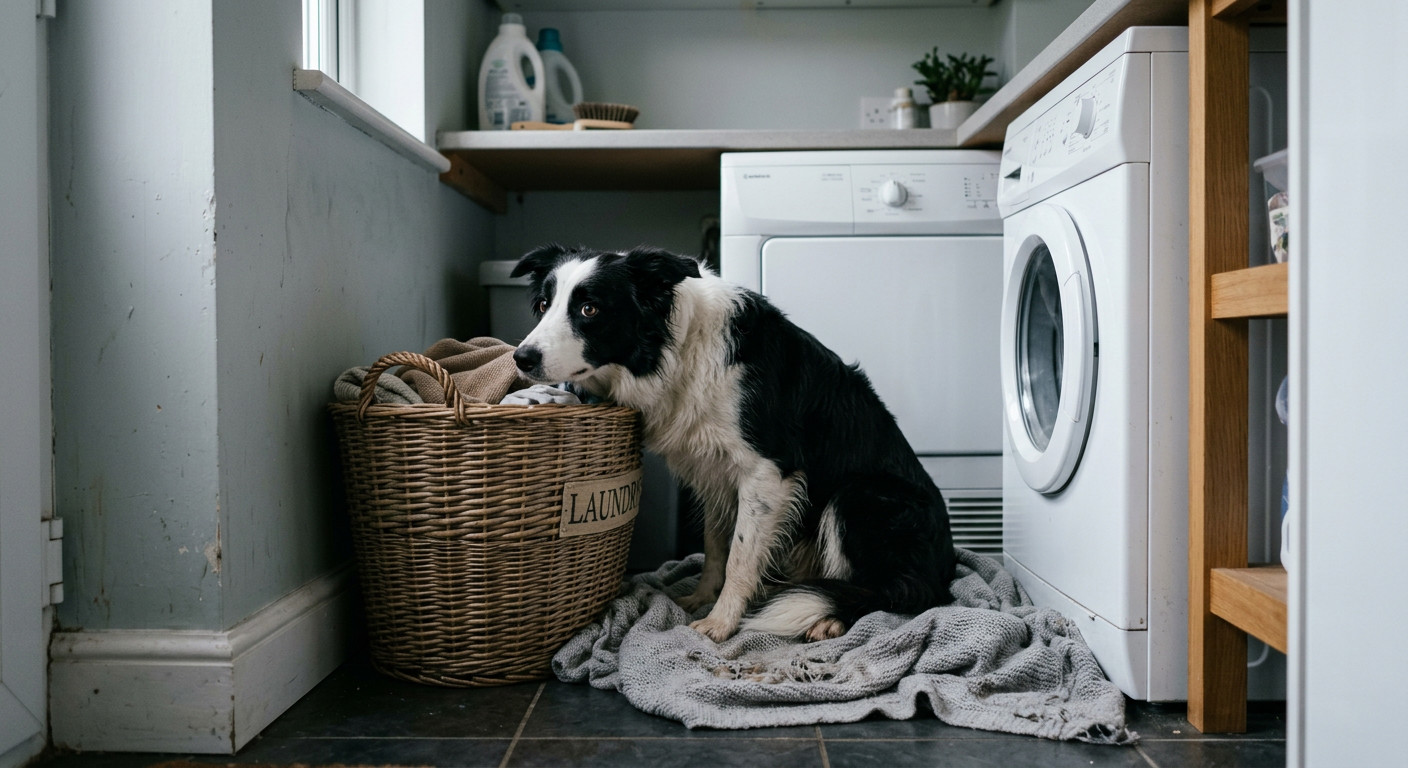
Emotional health is just as important as physical health for our pets. A dog might start acting strangely and seeking cover due to generalized anxiety or specific phobias. This is particularly common in breeds known for their sensitive natures or high intelligence.
Separation Anxiety and Routine Shifts
If your daily schedule has changed recently, your dog might be reacting to the shift in your presence. Some dogs hide right before their owners leave the house as a way of coping with the upcoming separation. Maintaining a consistent routine as much as possible can help alleviate this specific type of stress.
The Impact of Cognitive Changes
In senior dogs, sudden hiding can sometimes be linked to cognitive changes. They may become momentarily confused about their surroundings or lose their sense of direction within the home. Creating a safe, predictable "home base" with their favorite blanket and toys can provide much-needed reassurance during these moments of confusion.
How to Support Your Dog During These Episodes
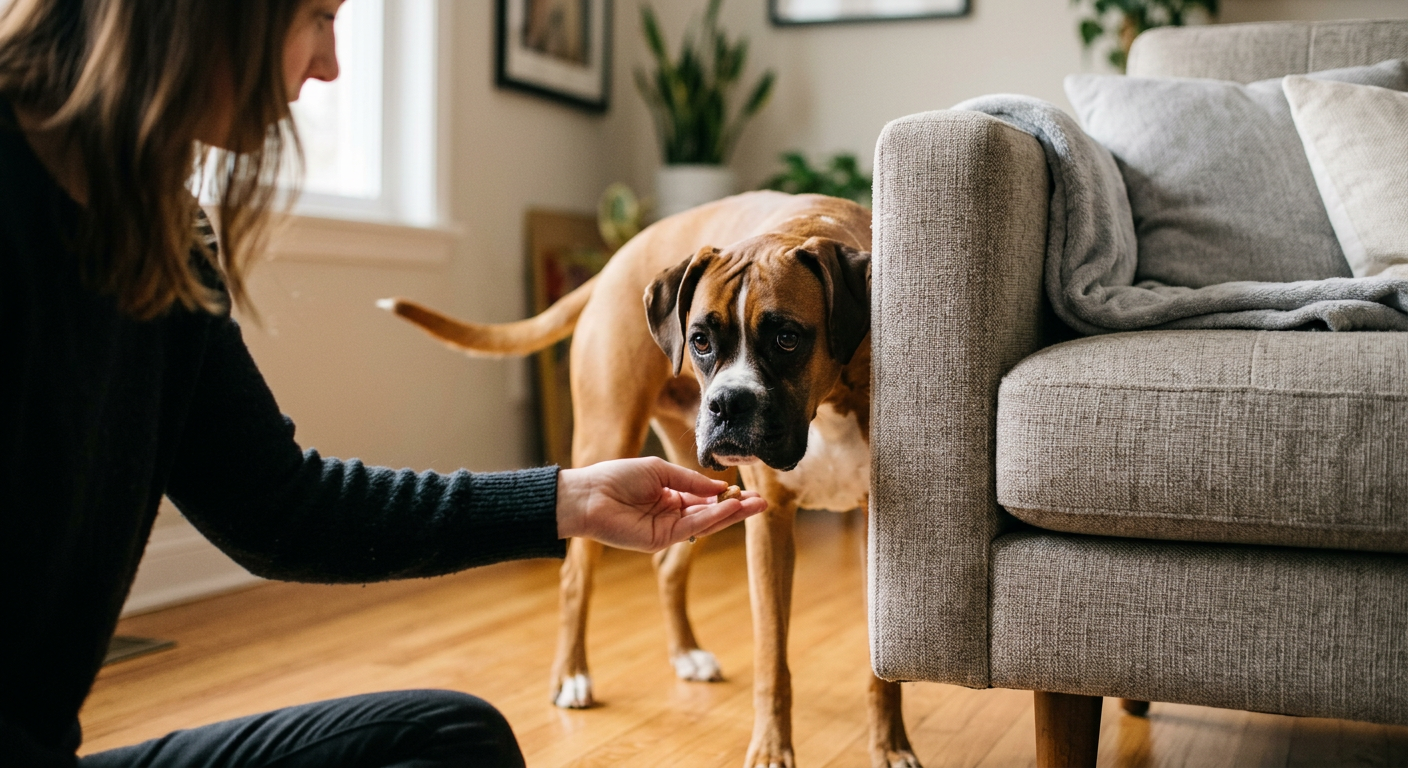
The best way to help a dog that is feeling shy or fearful is to provide a "safe haven" without forcing them to interact. While our instinct is to pull them out and comfort them, this can sometimes increase their anxiety. Instead, let them come to you when they are ready.
- Provide a dedicated crate or bed in a quiet corner of the house.
- Use calming pheromone diffusers or soothing background music.
- Avoid making loud noises or having high-energy activities near their hiding spot.
- Offer high-value treats near the entrance of their hiding area to create positive associations.
When your pet does choose to emerge, reward them with gentle praise and calm affection. This reinforces the idea that their environment is safe and that they are supported. Comparing breed traits, such as a German Shepherd vs Labrador Retriever, can also give you insight into how different breeds typically handle stress and whether they are more prone to "flight" behaviors.
When to Consult Your Veterinarian
While many cases of a pet seeking solitude are temporary and related to minor stressors, there are times when professional advice is necessary. If the hiding is accompanied by shaking, loss of appetite, or a change in bathroom habits, it is time to call the vet. They can perform a thorough exam to ensure your dog is physically healthy.
Documentation is very helpful for your vet. Try to take note of exactly when the hiding occurs, how long it lasts, and if any specific events (like a thunderstorm or a visitor) preceded the behavior. This information acts as a roadmap for your veterinarian to help find a solution that works for your specific dog.
Creating a Positive Home Environment
The ultimate goal is to help your dog feel confident within the walls of your home. Sometimes, their desire to stay close to you—even in odd places—is just a sign of their bond. You might notice this if you find your dog following you everywhere, which we discuss in our article on why does my dog follow me to the bathroom every time.
A confident dog is one that feels they have a choice. By giving them the space they need while remaining a steady, loving presence, you help them navigate their world with less fear. Over time, you will likely see your dog acting weird and hiding for no reason less frequently as they regain their sense of security.
Remember that every dog is an individual with their own unique personality and history. What might be a "reason" for one dog (like a leaf blower outside) might be ignored by another. Being patient and observant is the greatest gift you can give your pet as you work together to restore their comfort and happiness.