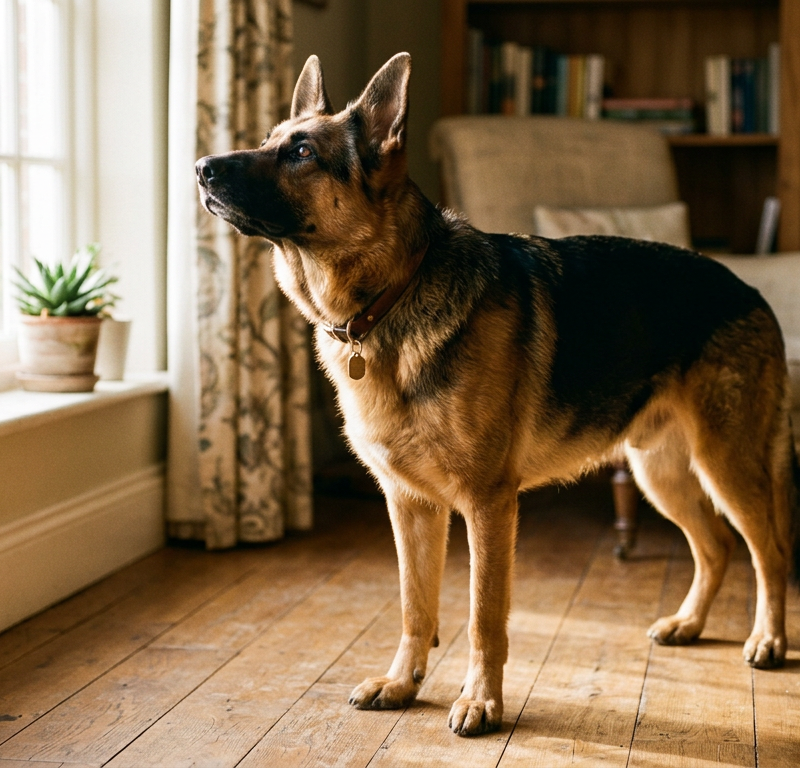
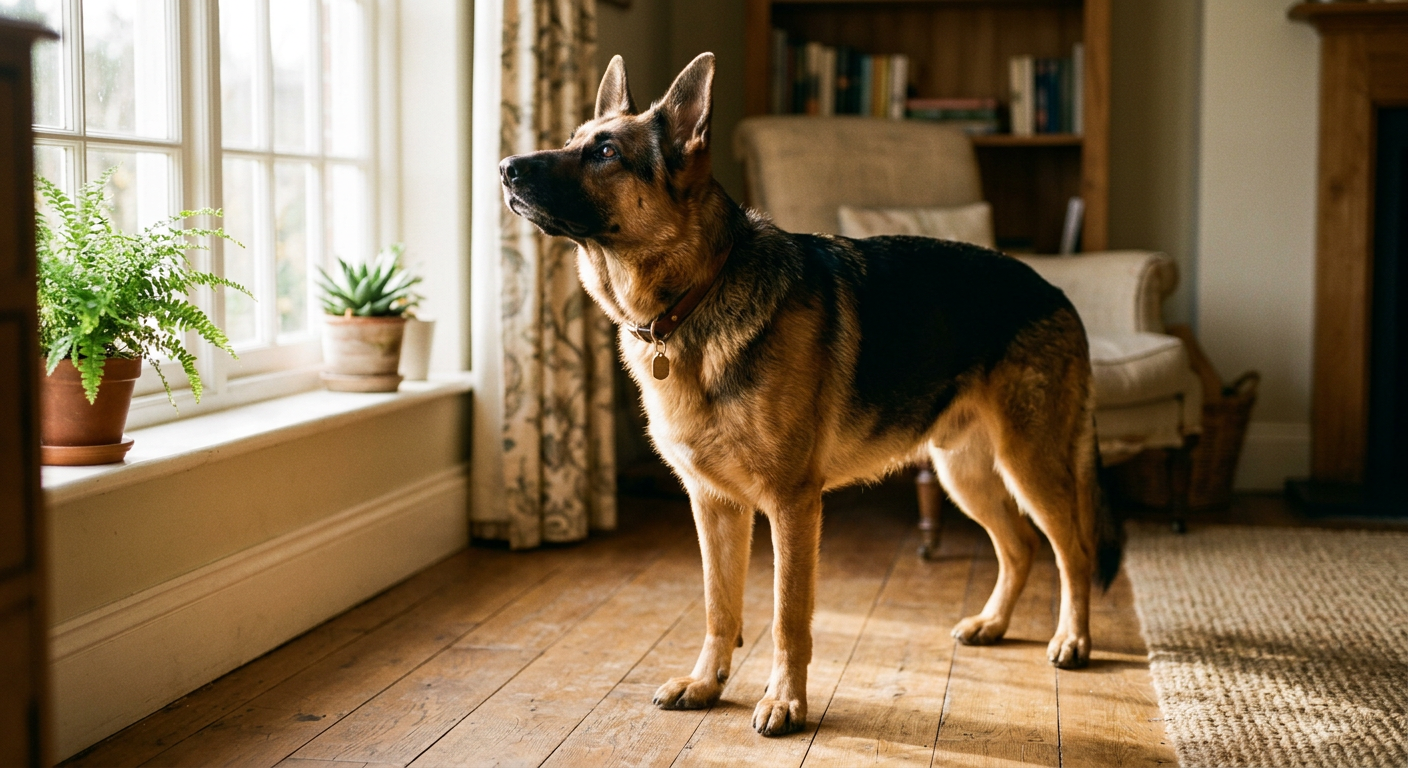
It is a quiet evening at home when suddenly your canine companion freezes. You notice your dog sniffing the air and acting alert, their nose twitching rapidly while their body remains perfectly still. Their ears might be pricked forward, and they seem to be focusing on something you simply cannot perceive. This behavior is incredibly common, yet it often leaves pet parents wondering what exactly has captured their pet's attention.
A dog’s nose is their primary window into the world. While humans rely heavily on sight, dogs experience their environment through a complex tapestry of scents. When your pup stops what they are doing to analyze a breeze, they are likely processing a wealth of information that is invisible to us. Understanding why this happens can help you better connect with your pet and ensure their emotional needs are met.
In this guide, we will explore the fascinating science behind your dog's olfactory system and the various reasons they might suddenly become vigilant. From environmental changes to natural instincts, there is usually a very logical explanation for this heightened state of awareness. We will also touch on when this behavior might suggest it's time to check in on their overall wellness.
The Incredible Science of Canine Olfaction
To understand why a dog might start catching scents in the air, we have to look at their anatomy. A dog's nose contains up to 300 million olfactory receptors, compared to a mere six million in humans. Furthermore, the part of a dog's brain dedicated to analyzing smells is, proportionally speaking, about 40 times larger than ours.
The Vomeronasal Organ
In addition to their standard nostrils, dogs possess a special tool called the Jacobson’s organ, or the vomeronasal organ. Located in the roof of the mouth, this organ allows them to detect pheromones—chemical signals that communicate information between animals. When your pet is "tasting" the air, they are often using this organ to identify the presence of other animals or even human emotions.
Airflow Dynamics
When dogs sniff, they aren't just breathing. They have a unique way of moving air that allows scents to stay in the nasal cavity even as they exhale. This constant flow allows them to build a detailed "scent picture" of their surroundings. This is why a dog acting vigilant and smelling the wind can seem so focused; they are essentially watching a movie made of odors.
Common Reasons for Sudden Vigilance and Sniffing
When you see your dog sniffing the air and acting alert, it is usually a response to a specific stimulus. Even if the house feels quiet to you, your dog’s senses are picking up on dozens of tiny cues. If your dog is a larger breed like a Doberman Pinscher, their protective instincts might make this behavior even more pronounced.
- Wildlife in the Vicinity: A squirrel in the backyard, a raccoon on the roof, or even a neighbor’s cat three houses down can trigger this response.
- Approaching Weather: Dogs can sense changes in barometric pressure and the scent of rain long before the first drop falls.
- New Visitors: They may pick up the scent of a delivery driver or a guest walking toward the porch before the person is even visible.
- Emotional Shifts: Dogs are highly sensitive to human pheromones and can sense when someone in the house is stressed, excited, or anxious.
Distinguishing Between Curiosity and Concern
Most of the time, a dog catching a scent and standing still is just curious. However, the context of the behavior matters. If your pet is also showing signs of distress, such as pacing or whining, it might be worth investigating the cause more closely. Sometimes, a dog acting weird and hiding after sniffing the air might be reacting to a sound or scent that makes them feel insecure.
The "Freeze" Response
When a dog freezes while sniffing, they are in a state of high-level processing. They are deciding if the scent represents a friend, a foe, or something entirely neutral. This "statue" pose is a natural way for them to minimize their own scent and sound while they gather data. It is a sign of a focused, intelligent mind at work.
When to Redirect
If your pup becomes hyper-focused to the point where they cannot settle down, you might want to try gentle redirection. Engaging them in a quick game or a simple training session can help transition them out of "alert mode" and back into a relaxed state. This is especially helpful if they seem to be tracking something that is causing them mild agitation.
Environmental Factors that Trigger Alertness
Our homes are filled with scents that we eventually become "nose-blind" to, but for a dog, every new package, grocery bag, or open window brings a new adventure. If you have recently changed your cleaning products or brought a new piece of furniture home, your dog might spend several days sniffing the air and acting alert as they adjust to the new olfactory landscape.
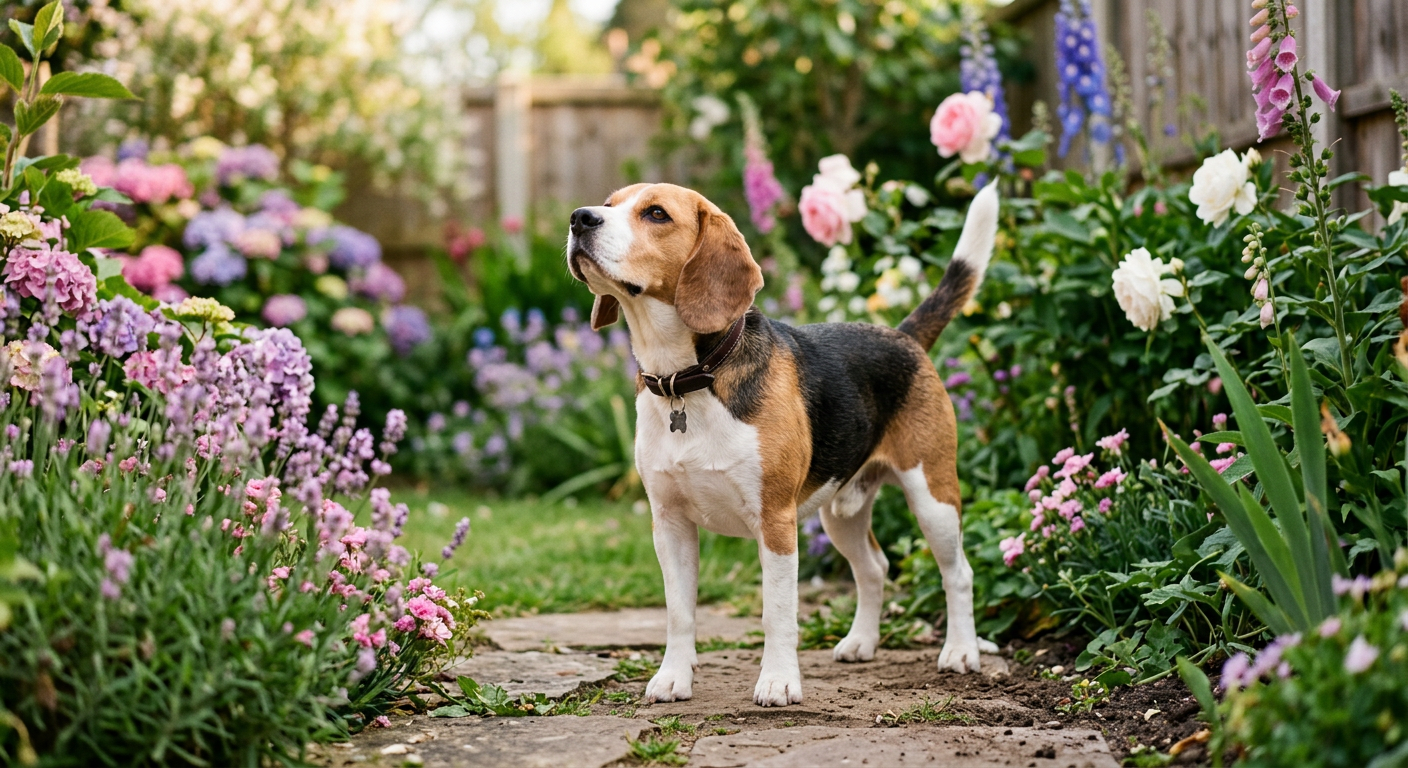
Outdoor environments are even more stimulating. On walks, a dog’s behavior can change instantly if they catch a trail. This is particularly common in scent-driven breeds. If you compare a Beagle and a Poodle, you will notice that the Beagle's entire world is guided by their nose, leading to frequent stops to "read the news" in the air.
Proactive Wellness and Behavioral Observation
While sniffing the air is a standard dog behavior, sudden changes in how your dog interacts with their environment are always worth noting. If you find your dog acting differently in general—perhaps becoming more reactive or lethargic alongside this sniffing—it is a good idea to consult your veterinarian. They can help rule out any underlying sensory issues or cognitive changes, especially in senior pets.
Monitoring these behaviors is part of being a proactive pet parent. Most of the time, your dog is simply being a dog, using their superpower to understand a world that we can only imagine. By observing their body language, you can learn to "read" what they are smelling, whether it's an incoming storm or just the neighbor starting up their grill.
Conclusion
Seeing your dog sniffing the air and acting alert is a beautiful reminder of how differently our pets experience the world. Their heightened senses allow them to be the guardians and companions we love so much. In most cases, this behavior is a sign of a healthy, curious dog engaging with their environment. Always remember that if you are ever unsure about a new behavior, your veterinarian is the best resource for guidance and peace of mind.