As a dog owner, you know your pet's personality better than anyone else. You understand their morning rituals, their favorite toys, and the specific way they wag their tails when you come home. However, it can be quite a surprise when you find your dog acts differently for no apparent reason. Understanding why dogs suddenly act differently and what it can mean is an essential part of being a proactive pet parent.
Abrupt shifts in behavior are rarely random. They are usually a form of communication, a way for your dog to tell you that something in their internal or external world has shifted. Whether it is a newfound gingerly walk or a sudden change in sleeping habits, these cues provide valuable insight into their overall wellness.
In this guide, we will explore the common reasons behind these shifts, ranging from simple environmental stressors to more complex physiological changes. By staying observant and informed, you can ensure your companion continues to live a happy and comfortable life by your side.
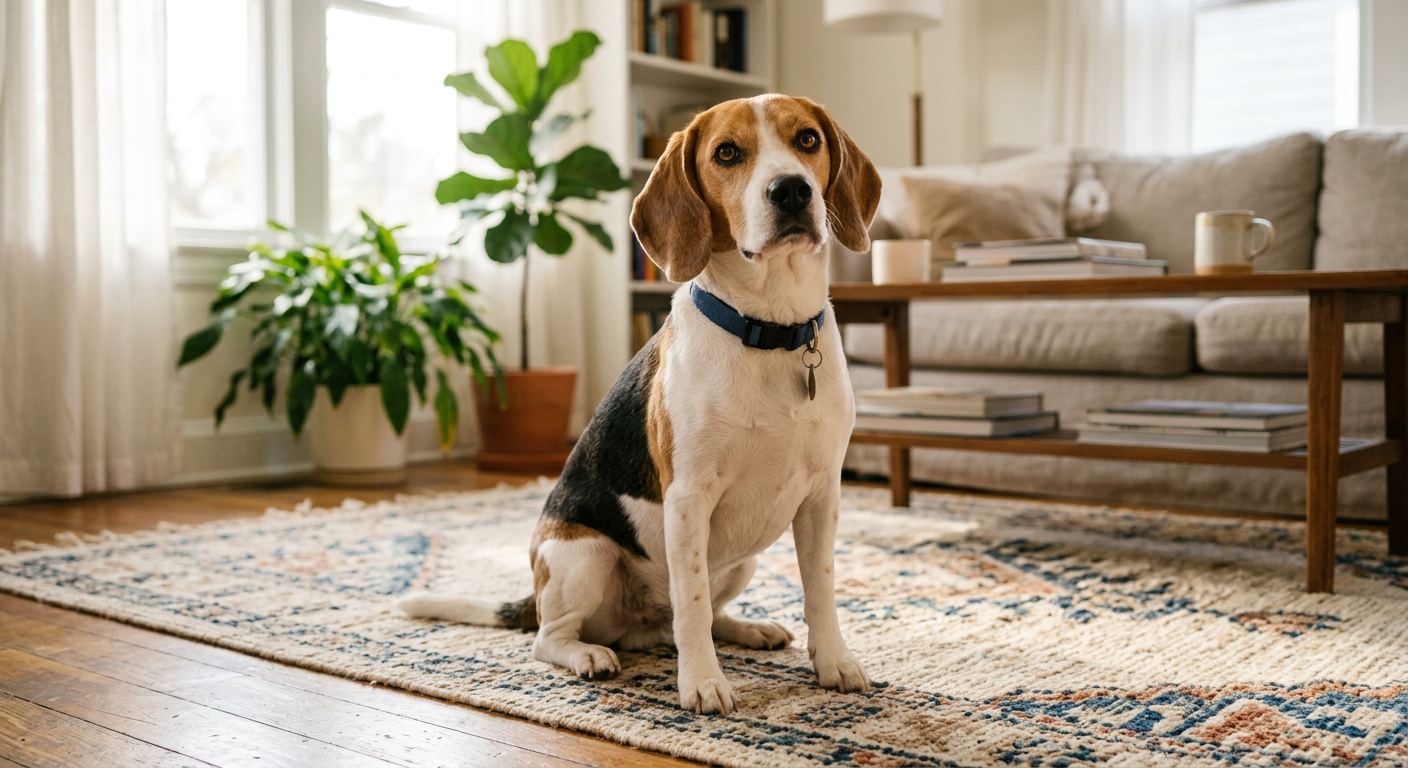
Common Categories of Behavioral Changes
When you start to notice that your dog is behaving unlike their usual self, it helps to categorize the behavior. This makes it easier to track and eventually discuss with a professional. Most behavioral shifts fall into three main categories: energy levels, social interaction, and daily habits.
Energy and Activity Levels
One of the most frequent signs that your pup feels off is a change in their "zip." A high-energy Border Collie who suddenly refuses to play fetch is signaling a shift. Conversely, a normally calm dog who starts pacing or seems unable to settle might be experiencing discomfort or curiosity about a new sound in the neighborhood.
If you have an older dog, you might wonder if they are just slowing down or if something else is going on. You can check their life stage progress using our Border Collie age calculator to see how their current behavior aligns with their biological age. Knowing their senior status can help you adjust your expectations and care routines.
Social and Emotional Responses
Does your outgoing Golden Retriever suddenly hide under the bed when guests arrive? Or perhaps your independent Terrier has become an "attachment" pup, following you from room to room? These emotional shifts often indicate a need for security. When dogs feel vulnerable, they either seek out their "safe person" or attempt to find a secure den-like space to rest.
Changes in Basic Habits
This category involves the "business" of being a dog: eating, drinking, and bathroom habits. A dog who skips a meal or suddenly starts drinking twice as much water as usual is giving you a clear physical sign. Similarly, regressions in house training are rarely about "forgetting" their manners; they are often a physical response to internal changes.
Environmental Factors that Influence Behavior
Our dogs are incredibly sensitive to the world around them. Sometimes, the reason your dog acts differently is rooted in a subtle change in their environment that you might not even notice. Their senses of smell and hearing are far more acute than ours, making them "detectives" of the household.
Household Transitions
Even small changes can disrupt a dog's sense of routine. Moving furniture, a new roommate, or a change in your work schedule can trigger a period of adjustment. Dogs thrive on predictability, so when the "rules" of their daily life change, their behavior often reflects that uncertainty.
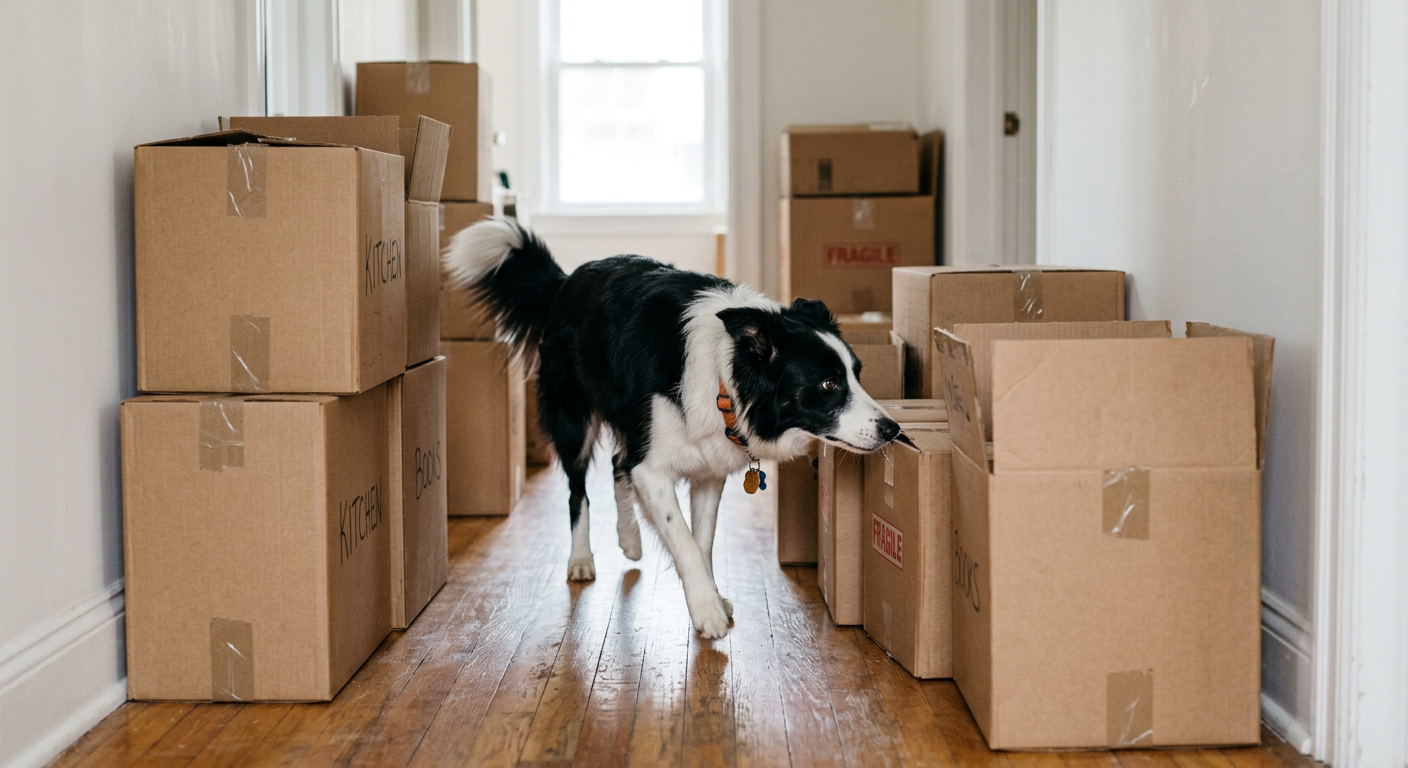
Sensory Overload or Seasonal Shifts
Outdoor factors play a huge role in canine psychology. Construction noise down the street or even a change in the season can affect them. For example, some dogs become more lethargic during the hot summer months, while others might become more "spicy" and energetic when the cool autumn air hits.
If you are considering a new pet and want to know how different breeds handle environmental changes, you might find it helpful to compare the Golden Retriever and Labrador Retriever to see which temperament fits your current living situation best. Different breeds have varying levels of sensitivity to noise and bustling environments.
Age-Related Behavioral Transitions
As dogs pass through different life stages, their behavior naturally evolves. What looks like a sudden change might actually be the onset of a new developmental phase. Puppies, adolescents, and seniors all have unique behavioral hallmarks.
- Adolescent Regression: Between 6 and 18 months, many dogs go through a "teenage" phase where they may suddenly "lose" their recall or act more stubborn.
- Mature Confidence: As dogs reach 2 or 3 years old, they often settle and may become less interested in playing with every dog they meet at the park.
- Senior Wisdom and Slower Paces: Older dogs may experience changes in their sensory perception, such as reduced hearing or vision, which can make them appear more startled or less responsive.
If you notice an older dog pacing at night or appearing confused in familiar corners, it’s a good idea to discuss "active aging" with your veterinarian. Proactive care can help manage these transitions so your dog remains comfortable throughout their golden years.
The Role of Wellness in Behavior
It is important to remember that dogs cannot tell us when they have a headache or an upset stomach. Instead, they show us. Significant shifts in personality are frequently the first sign of a wellness consideration. If a dog who normally loves being petted suddenly growls when you touch their lower back, they aren't "being mean"—they are likely protecting a sensitive area.
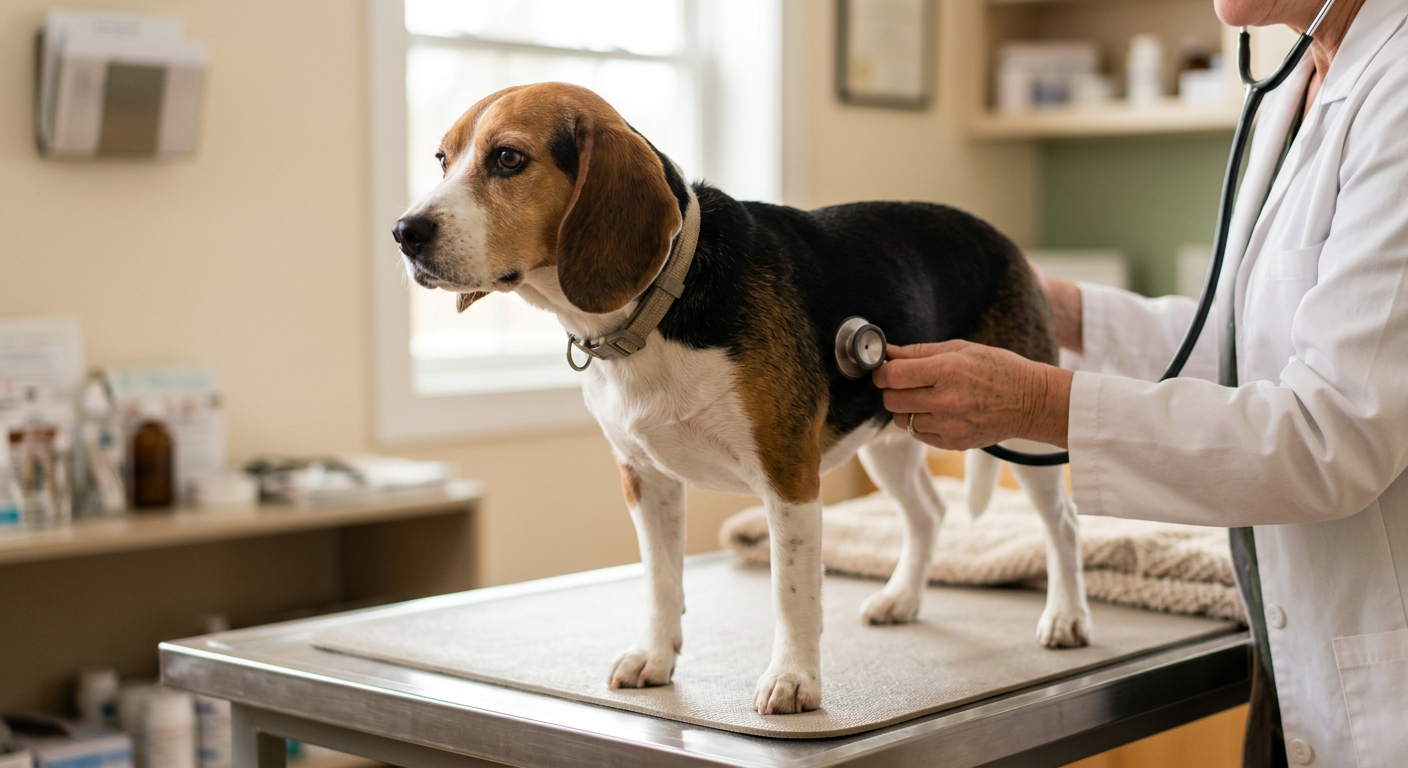
Physical Comfort and Mobility
Stiffness, dental issues, or digestive changes can all cause a dog to act grumpy or withdrawn. If your dog is reluctant to jump into the car or walk up stairs, it may be time for a physical check-up. Addressing minor discomforts early can prevent them from becoming larger issues that affect your dog's long-term temperament.
Internal Balance
Sometimes behavior changes are linked to how the body processes energy or maintains balance. If you notice persistent changes in appetite, coat quality, or energy shifts that don't resolve with rest, a professional consultation is the best course of action. Your vet can run simple tests to ensure everything is functioning correctly under the hood.
To learn more about specific breed health and how it impacts behavior, you can browse our collection of articles on the PetDecoder blog. Staying educated on breed-specific traits helps you distinguish between "normal" behavior and something that requires attention.
How to Respond When Your Dog Acts Differently
When you realize your dog is acting differently, the best first step is to stay calm. Dogs are experts at reading our emotions. If you become stressed and anxious, your dog may pick up on that energy, potentially making them even more uneasy.
Journaling the Changes
Start a "behavior diary." Note down exactly what happened, what time of day it occurred, and what was happening in the environment at the time. Did it happen after a meal? After a walk? Was there a loud truck outside? Having this data is incredibly helpful for a trainer or a veterinarian to identify patterns.
Consulting the Professionals
The rule of thumb is: if a behavior change is sudden, intense, or persistent, call your veterinarian. It is always better to have a professional "all-clear" than to wonder if your dog is in discomfort. Once health factors are ruled out, you can work with a positive reinforcement trainer to address any underlying fears or stressors that might be causing the shift.
Conclusion
Understanding why dogs suddenly act differently and what it can mean is a journey of discovery for every pet owner. Our dogs are constantly communicating with us through their actions, and being a good "listener" involves watching for these subtle shifts in their daily routine.
By paying attention to their environment, their age, and their physical wellness, you can provide the support they need to navigate life's changes. Whether it’s a temporary mood or a sign that they need a little extra veterinary care, your attentiveness is the greatest gift you can provide. Your dog depends on you to be their advocate, and by staying informed, you’re doing exactly that.