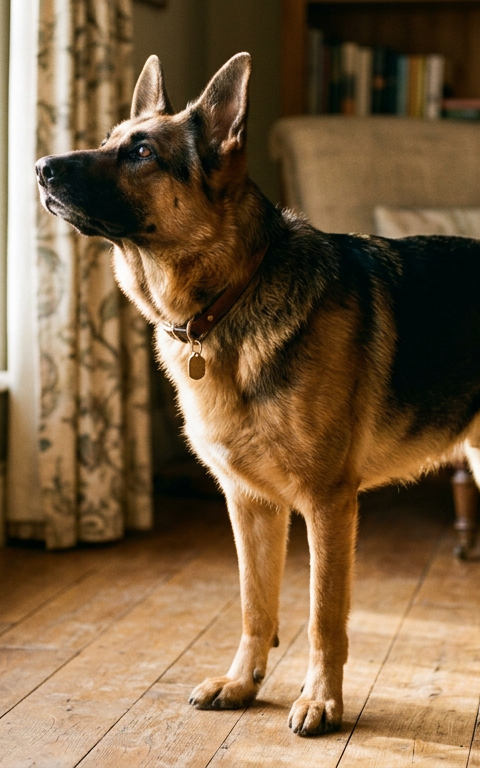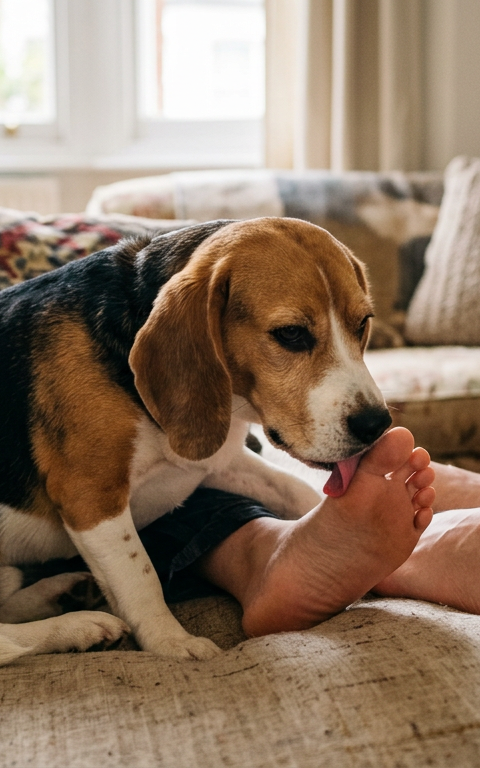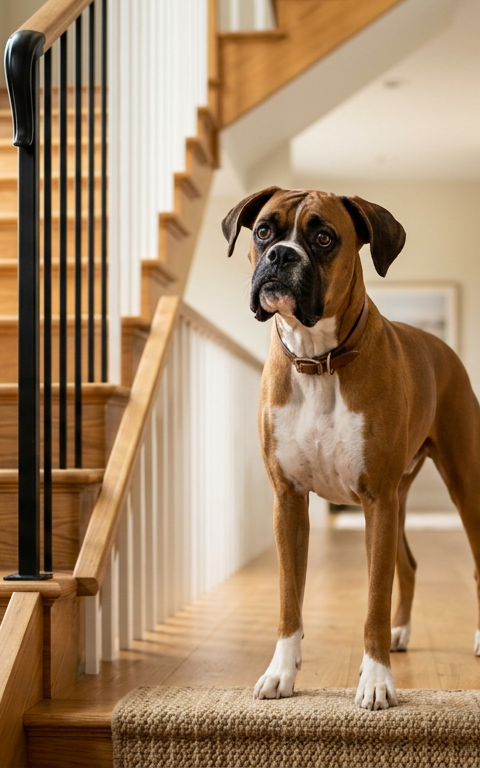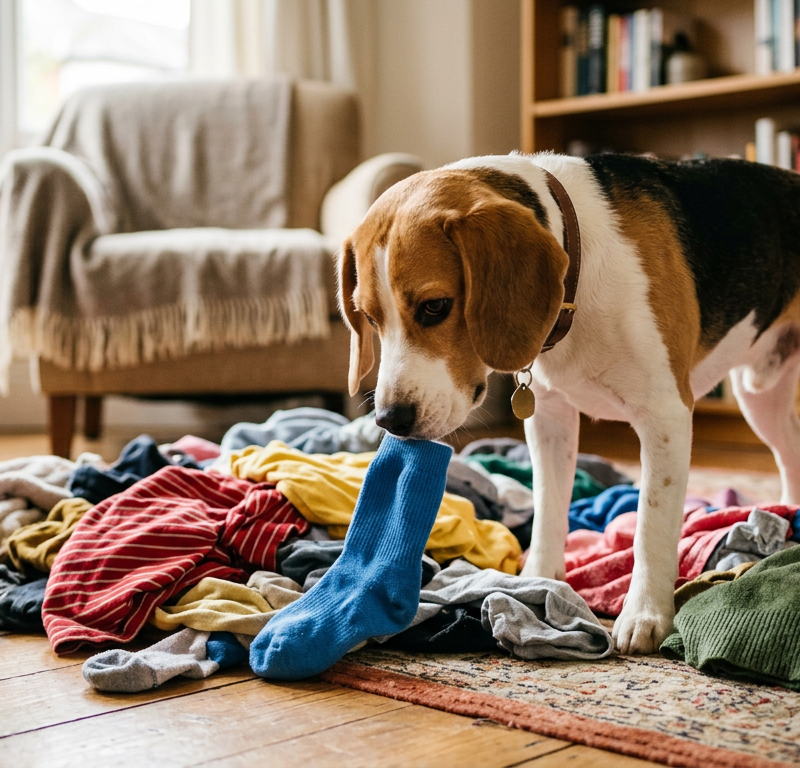
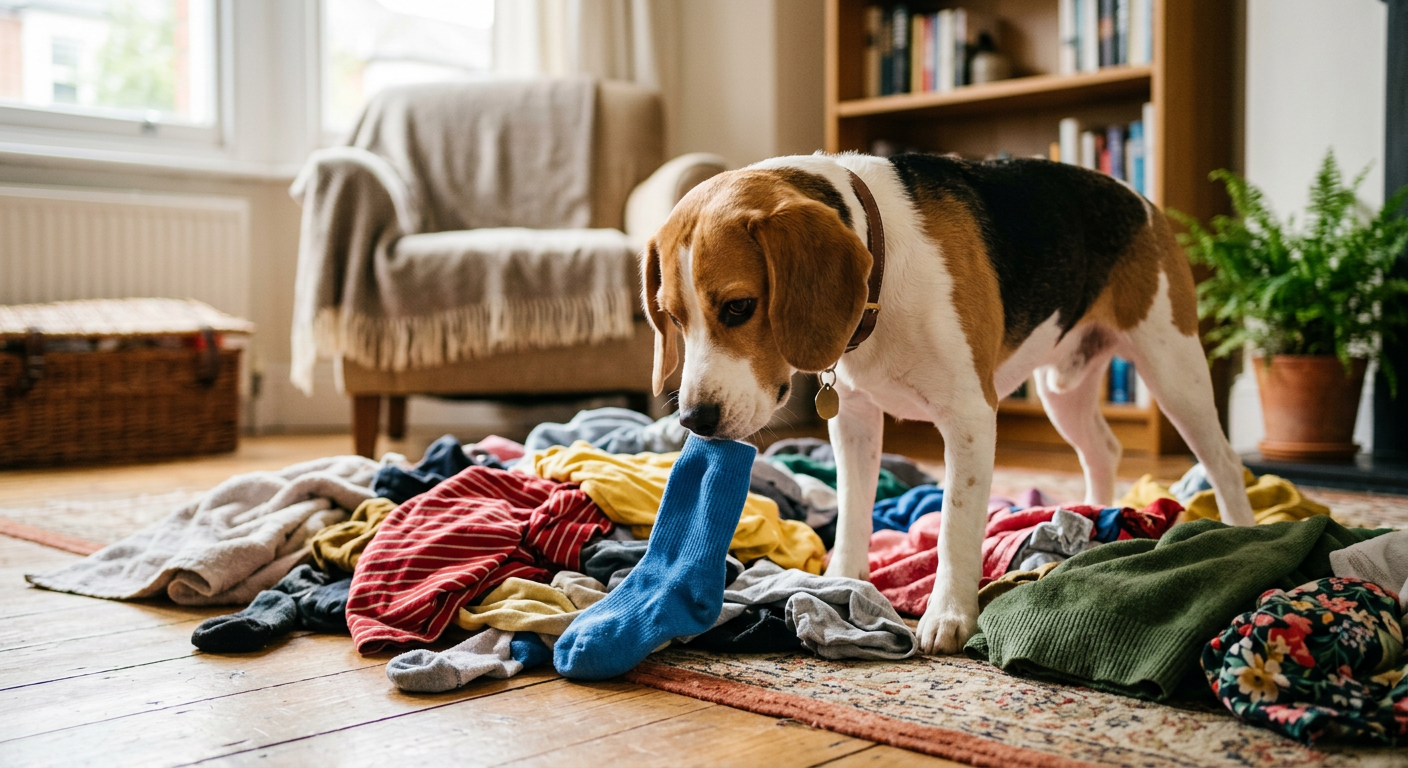
It is a scenario many pet owners know all too well: you catch your furry friend gulping down a piece of laundry, or perhaps you find a lone sock missing from the dryer pile. When you realize your dog eating socks and not getting sick is a recurring pattern, it can be both baffling and concerning. While it might seem like a quirky habit if they appear fine afterward, this behavior is actually a common canine phenomenon that requires a proactive approach to wellness.
Dogs explore the world with their mouths, and textiles often carry the strong scent of their favorite humans. While we see a garment, they see a scent-heavy toy that feels interesting to chew and swallow. Understanding why this happens and what to do next is essential for keeping your companion safe and healthy.
Why Dogs Are Drawn to Swallowing Socks
There are several reasons why a canine might target your footwear. For many, it begins as simple play. The soft, stretchy texture of a sock is satisfying to chew, and the high concentration of your scent makes it a comforting object. If a dog is startled or thinks you might take the "toy" away, they may instinctively swallow it to "keep" it.
In some cases, this behavior is linked to a condition called pica. Pica is the urge to eat non-food items, which can stem from nutritional deficiencies, boredom, or anxiety. If you notice your dog acting differently or becoming obsessed with non-food items, it is worth discussing these habits with your veterinarian to rule out underlying causes.
The Role of Age and Breed
Puppies are naturally more prone to dietary indiscretion as they navigate the teething phase. Much like a human toddler, they use their mouths to learn about every object in their environment. High-energy breeds like the Border Collie may also engage in this behavior if they aren't receiving enough mental stimulation throughout the day.
If you are raising a large breed like a Great Dane, their sheer size might allow them to pass larger items more easily than a small terrier. However, no matter the size of the dog, ingesting fabric remains a risk that pet parents should monitor closely.
How a Dog Can Appear Healthy After Ingesting Fabric
It is often surprising to owners when a dog swallows a foreign object and continues to wag their tail, eat their dinner, and play as if nothing happened. When a dog consumes a sock and doesn't seem ill, it usually means the item has not yet caused an obstruction. The digestive tract is surprisingly resilient, and in some cases, the item may sit in the stomach for days or even weeks without causing immediate distress.
The "not getting sick" phase can be deceptive. A sock might pass through the stomach and into the small intestine where it could potentially get stuck later. Or, if the dog is lucky, the item might move all the way through the system and be eliminated naturally. Even if your pet seems perfectly fine now, it is important to stay vigilant for any subtle changes in their behavior or bathroom habits.
Signs to Watch For in the Coming Days
If you suspect your dog has swallowed something they shouldn't have, the next 24 to 72 hours are the most critical. While many items pass without incident, you should keep a close eye on their physical state. Watch for the following signs that indicate a need for a veterinary visit:
- Loss of appetite or refusing favorite treats
- Repeated vomiting or unproductive retching
- Changes in stool, such as diarrhea or straining
- Lethargy or a sudden lack of interest in play
- A firm or painful abdomen when touched
Even if they are currently asymptomatic, these symptoms can develop rapidly. Proactive care involves observing their energy levels and ensuring they remain hydrated. If your dog is hiding or acting weird, it may be a sign of internal discomfort that they are trying to mask.
What to Do if Your Dog Swallows a Sock
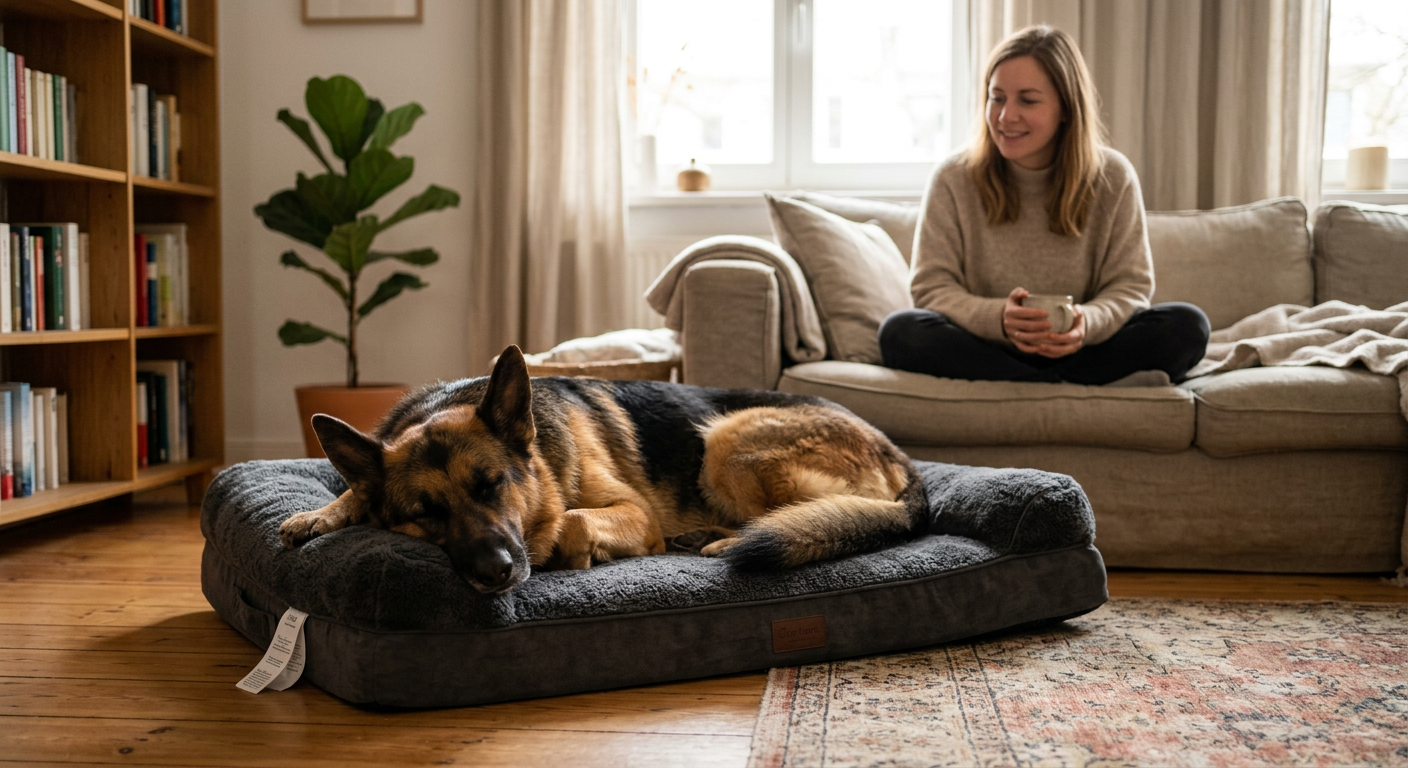
The first rule is to stay calm. If you catch them in the act, do not chase them, as this often encourages them to swallow the item faster. Instead, try a high-value trade with a piece of cheese or a favorite dog treat. If the sock has already been swallowed, your first call should always be to your veterinarian.
Your vet may suggest different paths depending on how long ago the ingestion happened. They might recommend inducing vomiting if the item was just swallowed, or they may suggest a "wait and see" approach with specific dietary additions, like canned pumpkin or extra fiber, to help move the object along. Never attempt to make your dog throw up at home without professional guidance, as some items can cause more harm coming back up.
Monitoring the "Exit"
If your vet advises monitoring your pet at home, you will need to become a bit of a "poop detective." This means checking their movements for the missing garment. It can take anywhere from 10 hours to several days for a foreign object to complete its journey through the digestive system. If the sock appears, ensure it has passed completely and that your dog continues to act normally afterward.
Preventing Future Incidents
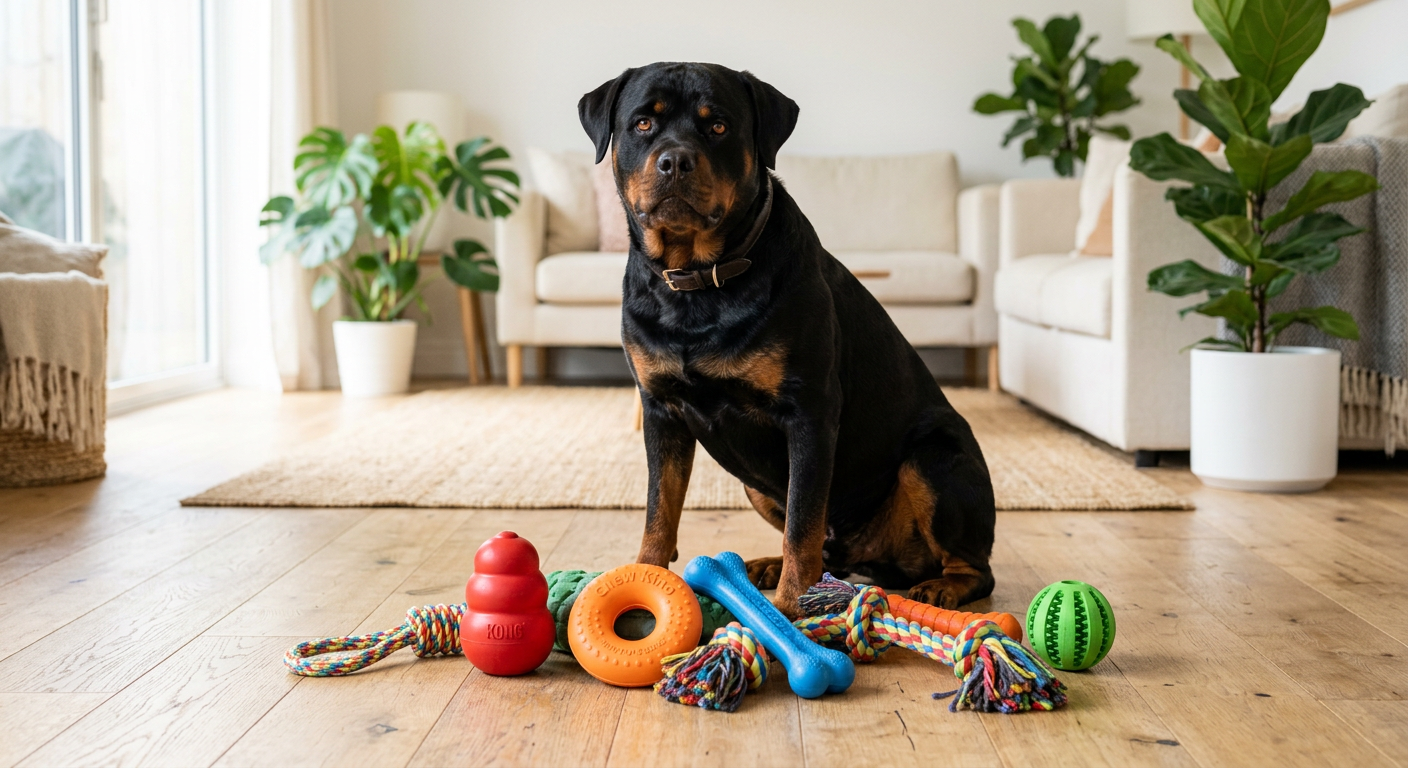
Prevention is the most effective way to manage a dog that loves laundry. Keeping floors clear of clothing and using lidded hampers can significantly reduce the risk. If your dog is motivated by boredom, increasing their daily exercise and providing durable, safe chew toys can redirect their natural urge to gnaw on things.
For dogs that struggle with anxiety-based chewing, creating a "safe zone" with appropriate toys can help. When comparing energy levels and needs between breeds, such as a Boxer vs Poodle, you might find that one requires significantly more interactive play to prevent these destructive habits. Identifying the root cause—whether it is boredom, teething, or seeking attention—is the best way to stop the cycle for good.
Conclusion
Seeing your dog eating socks and not getting sick is a lucky break, but it serves as an important reminder to stay alert. While many dogs manage to pass foreign objects without medical intervention, the risk of a blockage is always present. By maintaining a tidy home and providing plenty of appropriate outlets for chewing, you can protect your pet from the hidden dangers of the laundry basket.
Always prioritize wellness by consulting your veterinarian the moment you suspect your pet has ingested something non-edible. With a watchful eye and a few lifestyle adjustments, you can keep your dog’s digestive system safe and ensure they stay happy, healthy, and sock-free.