The Instinctive Roots of Why Does My Cat Bury Her Food Bowl
If you have ever caught your feline friend scratching the floor around her dish or trying to pull a virtual blanket over her kibble, you aren't alone. One of the most common questions pet parents ask is, "why does my cat bury her food bowl?" This peculiar behavior, often called "food caching," is deeply rooted in the natural instincts of wild felines.
In the wild, cats are solitary hunters who often catch more than they can eat in one sitting. To prevent other predators or scavengers from finding their leftovers, they perform a behavior known as "caching" or "burying." Even though your indoor cat is safely tucked away in your home, these biological urges remain strong and drive her to protect her resources.
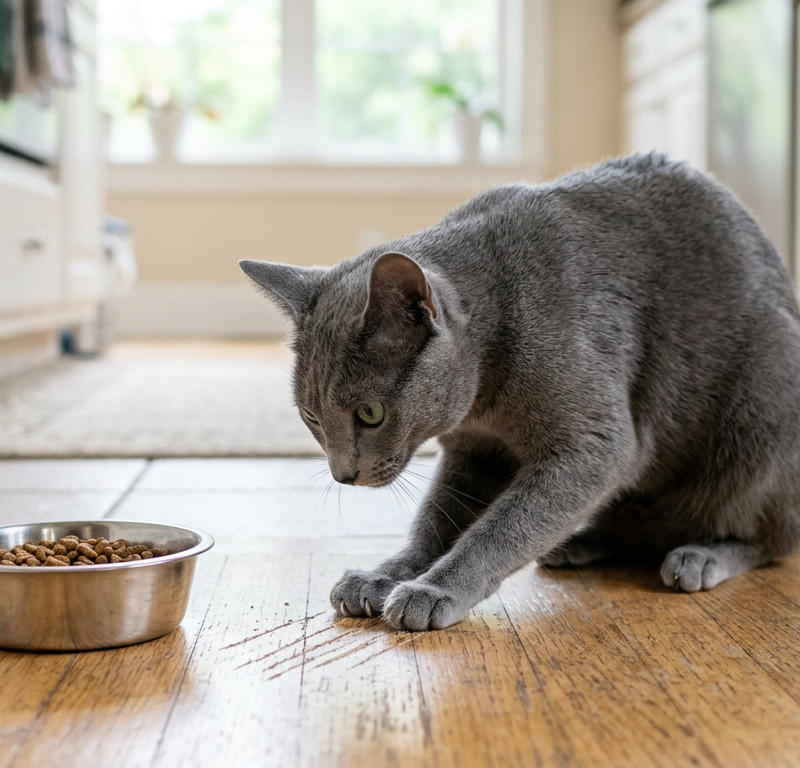
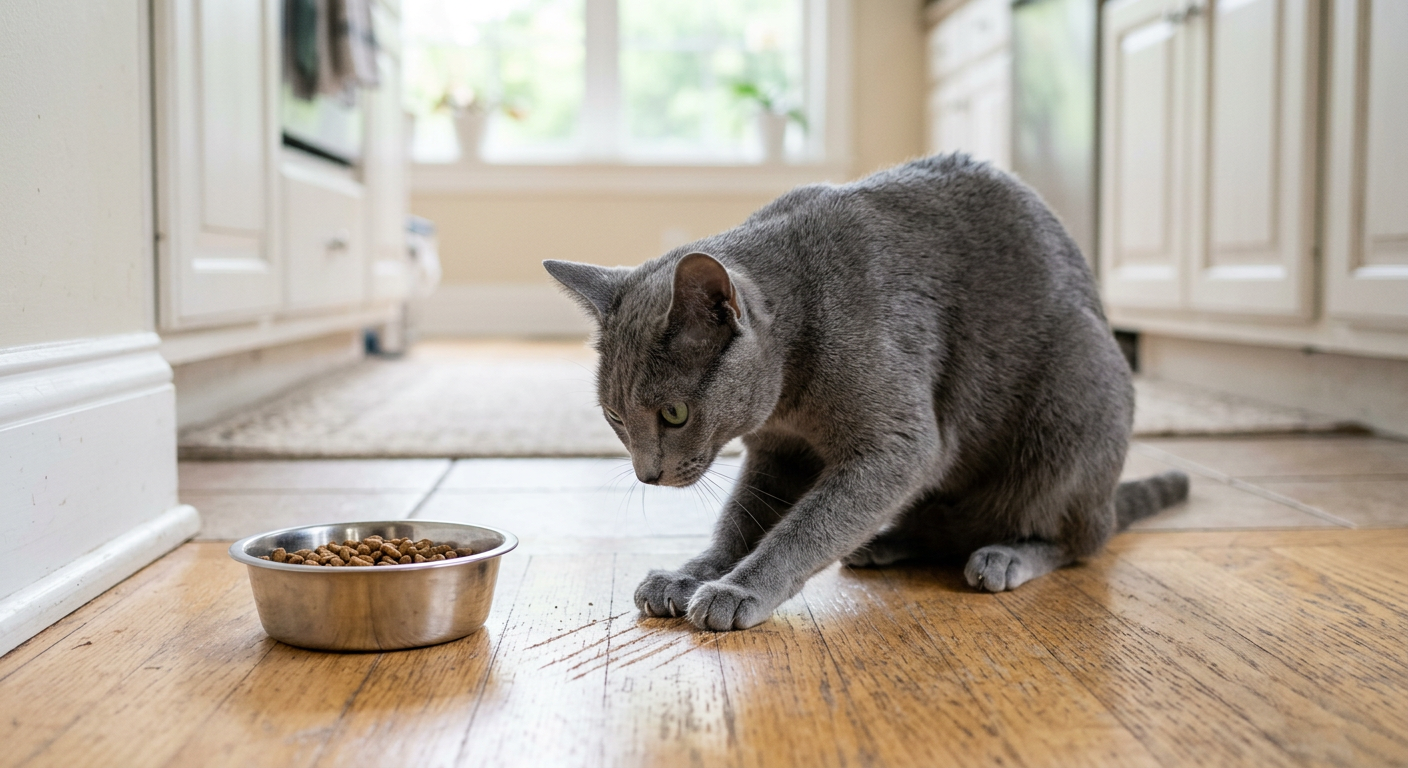
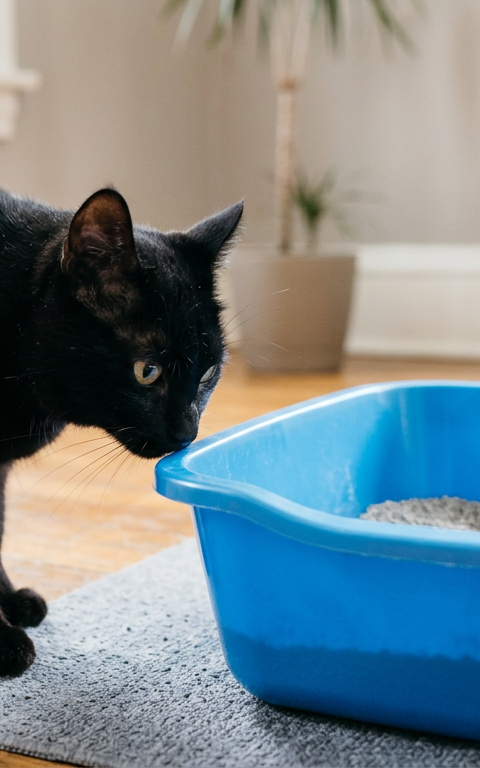
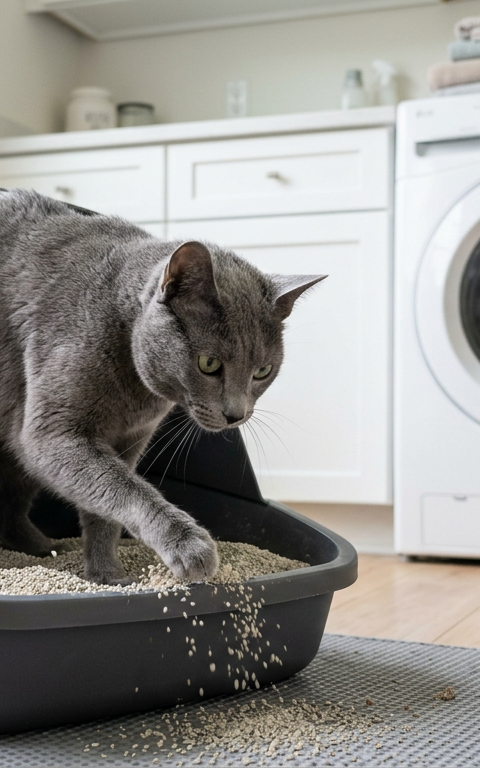
A sleek Russian Blue cat using its front paw to scratch the wooden floor next to a ceramic food dish.
Evolutionary Heritage and Scent Masking
Your cat’s wild ancestors, such as the African wildcat, had to be very careful about their scent. Leaving a half-eaten meal out in the open is essentially leaving a neon sign for larger predators that a smaller cat is nearby. By scratching at the ground around a meal, a cat is attempting to mask the odor of the protein.
This behavior isn't just about hiding the food for later; it is also about personal safety. By covering the smell, the cat reduces the risk of being tracked by something higher up the food chain. When you see your cat pawing at the kitchen tile or trying to drag a nearby rug over her bowl, she is following an internal survival manual.
The Role of Scent Glands
Interestingly, cats have scent glands in their paws. When they scratch around an area, they are not just moving physical debris; they are also depositing their own scent. This can serve as a "keep out" sign to other household pets, signaling that the territory and the food within it are claimed. You can learn more about how cats interact with their environment in our article on understanding litter box habits and changes in cats.
Is Your Cat Trying to Tell You Something
While the behavior is often instinctual, sometimes the frequency or intensity of the "burying" can indicate specific preferences or environmental stressors. Noticing when and how your cat hides her food can help you improve her daily wellness and comfort.
The Bowl is Too Full: Some cats feel overwhelmed by a large amount of food and feel the immediate need to hide the excess.
Strong Odors: If the food has a particularly pungent scent, the instinct to mask that smell becomes even more urgent.
Location Stress: If the bowl is in a high-traffic area, your cat may feel vulnerable and try to hide her meal to eat in peace.
Protective Instict: In multi-pet households, a cat might bury her bowl to "save" it from a curious dog or a fellow feline roommate.
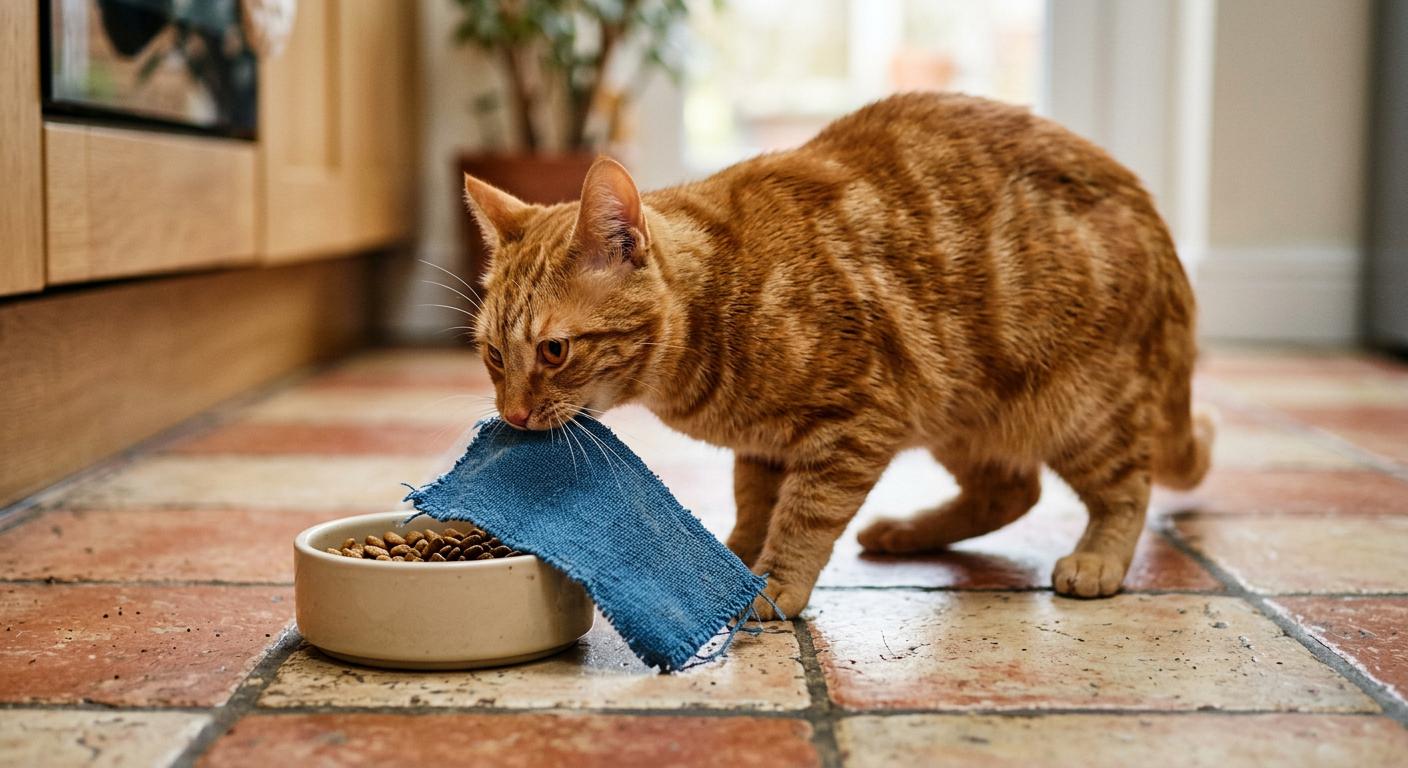
An orange tabby cat attempting to pull a small kitchen rug over its bowl of dry kibble.
Comparing Instincts Across Household Pets
It is helpful to remember that different animals show their survival instincts in various ways. For instance, while a cat might try to "sweep" the floor over her food, a dog might actually dig a hole in the backyard to hide a bone. If you are a multi-pet owner, you might enjoy seeing how different breeds vary in their behaviors using our breed comparison tool.
Regardless of the species, these behaviors are usually a sign of a healthy, instinctually driven animal. If your cat is otherwise eating well and maintaining a healthy weight, the occasional floor-scratching is simply a quirk of being a feline. However, if she stops eating entirely or seems distressed by her food, a quick visit to the veterinarian is always the best proactive step.
Environmental Enrichment Solutions
If the behavior of scratching the floor bothers you or is damaging your carpet, you can try some simple environmental changes. Moving the food dish to a more secluded, quiet corner can make your cat feel more secure. This reduces the perceived "threat" of a predator finding her meal, which might lead to less frequent burying attempts.
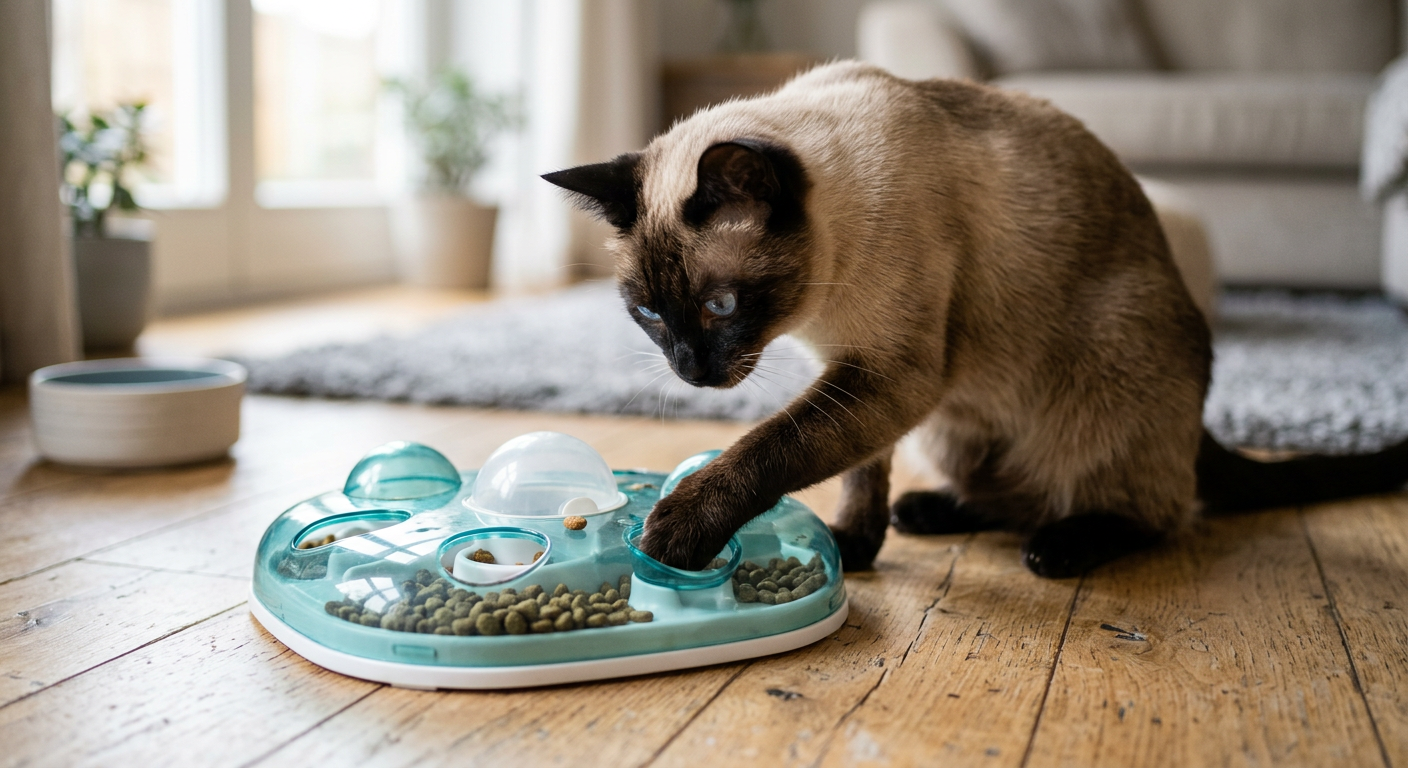
You can also try using a "puzzle feeder." These devices require the cat to work for her food, which mimics the hunting process more closely than a static bowl. When a cat has to "hunt" for kibble out of a puzzle, she often feels more satisfied and less inclined to hide the results of her hard work.
Maintaining a Clean and Safe Feeding Area
Sometimes, why your cat hides her meals comes down to simple cleanliness. Cats are fastidious creatures, and they may treat a messy feeding area similarly to a dirty litter box. If food is scattered outside the bowl, they may try to "tidy up" by burying the mess.
Maintaining a clean environment is vital for feline wellness. Just as you might monitor your cat's health by looking for signs like a cat pooping outside the litter box, you should also keep an eye on their eating station. Washing the bowls daily and wiping down the floor can go a long way in making your cat feel relaxed during mealtime.
A Siamese cat peacefully eating from a puzzle feeder in a quiet, sunlit corner of a room.
When to Consult Your Veterinarian
In most cases, a cat burying food is perfectly normal behavior. However, as responsible pet parents, we should always be alert for changes in routine. If your cat suddenly starts burying her food and also stops eating, or if she begins excessively grooming her paws after "burying" the bowl, it could indicate underlying anxiety or a dental issue.
Veterinarians can help rule out physical discomfort that might be making your cat hesitant to eat comfortably. Always approach these behavioral quirks with a blend of curiosity and care. If your cat is a specific breed known for unique traits, such as a Maine Coon, their size and energy levels might play a role in how vigorously they interact with their food.
Summary of Feline Caching Behavior
Seeing your pet act on their wild instincts is one of the most fascinating parts of living with a cat. When you ask why does my cat bury her food bowl, remember that she is simply listening to a biological clock that has been ticking for thousands of years. It is a sign that her predatory and protective instincts are sharp and functioning.
By providing a quiet space, clean bowls, and perhaps a few food puzzles, you can support your cat's natural behaviors while keeping your hardwood floors safe from scratches. Watching your cat navigate her world with these ancient habits is just another reason why we love our feline companions so much. If you stay observant and provide a nurturing environment, your cat will continue to thrive in your home.
Frequently Asked Questions
Yes, burying food (food caching) is a completely normal and healthy instinct inherited from wild feline ancestors.
Cats mask the scent of their food to prevent attracting predators or to hide their location from other hunters in the wild.
In many cases, they are saving the meal for later, protecting it from other pets in the house, or simply reacting to a strong scent.
Try moving the bowl to a quiet area, using a heavy ceramic dish, or placing a silicone mat under the bowl to protect your floors.
We're passionate pet lovers and AI enthusiasts dedicated to helping you understand your furry friends better through the power of artificial intelligence.
AI Analysis
Free!
AI-Powered Pet Analysis
Understand Your Pet's Emotions
Our AI analyzes photos and videos to reveal what your pet is really feeling.