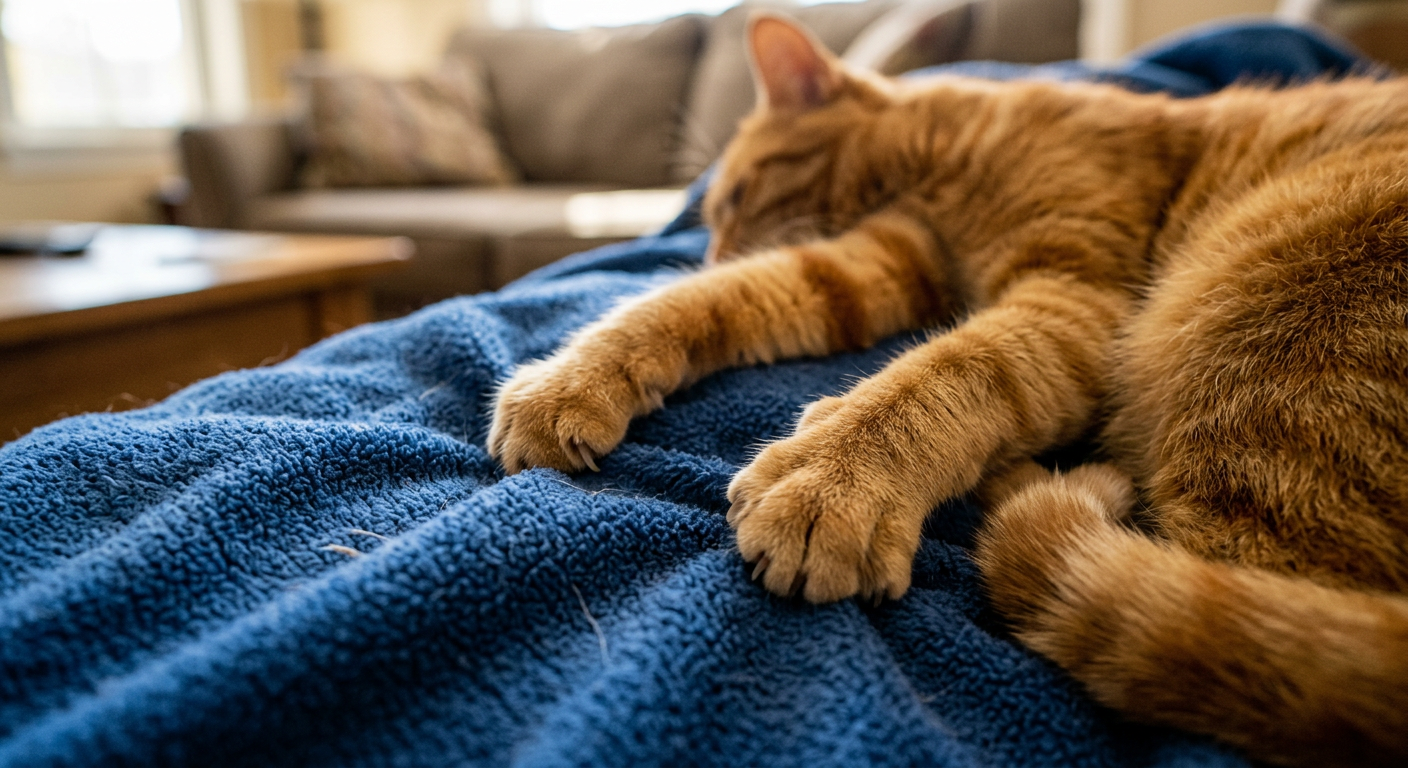
If you have ever settled into your sofa only to have your feline friend jump onto your lap and start a rhythmic pawing motion, you have experienced one of the most endearing mysteries of the feline world. Understanding cat kneading behavior is a key part of bonding with your pet, as this rhythmic "biscuit-making" is a deeply instinctive action. While it might feel a bit prickly if their claws are out, this behavior is actually a significant compliment from your cat.
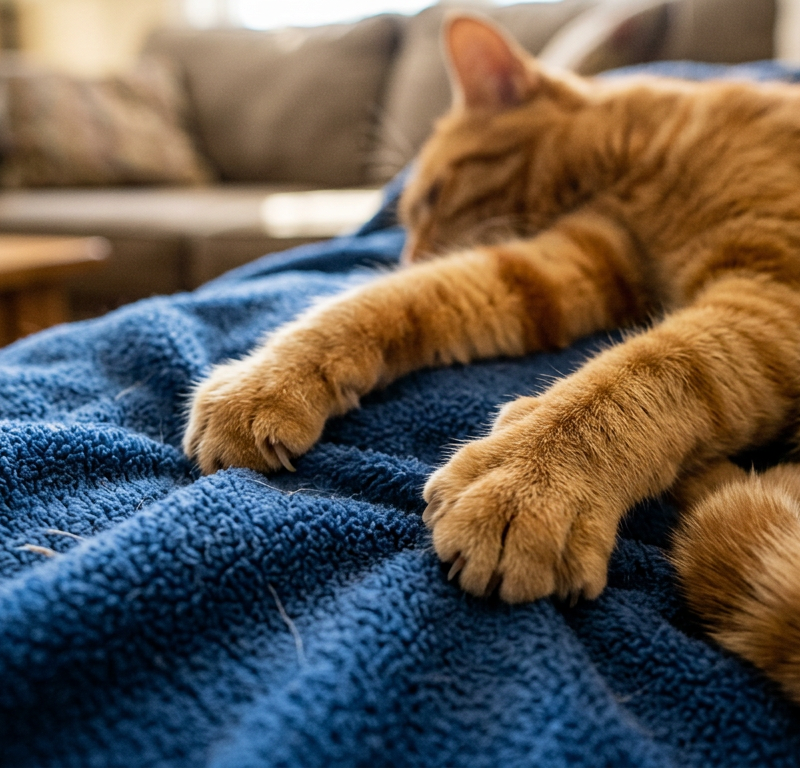
Kneading involves a cat pushing their paws in and out against a soft surface, alternating between left and right. Some cats use just their front paws, while others get their back legs involved too. By looking closer at why they do this, we can better appreciate the unique ways our cats communicate comfort and affection. It is one of the many ways they express their internal state without making a sound.
The Instinctive Roots of Making Biscuits
To truly grasp the origin of this habit, we have to look back at the very first days of a kitten's life. Newborn kittens knead against their mother's belly to stimulate milk flow during nursing. This repetitive motion is vital for their survival and creates a powerful association between the action and the feeling of being safe, warm, and well-fed.
Even though adult cats no longer need to nurse, the movement remains hardwired in their brains. When your adult cat starts "making biscuits" on your sweater, they are tapping into those early memories of maternal comfort. It is a sign that they feel completely secure in your presence, much like they did with their mother.
Evolutionary Comfort and Safety
Some animal behaviorists suggest that this trait may even predate domestic life. Wild ancestors of the modern house cat may have kneaded tall grass or leaves to create a soft, flat nest for sleeping or giving birth. By mashing down the vegetation, they could also check for hidden predators or pests before settling in for the night.
Today, your cat doesn't need to worry about predators in the living room, but the instinct to "prep" their sleeping area remains. You might notice them circling and kneading their favorite bed or a soft blanket before finally curling up for a nap. This ritual helps them feel that their environment is perfectly arranged for rest.
What Your Cat Is Trying to Tell You
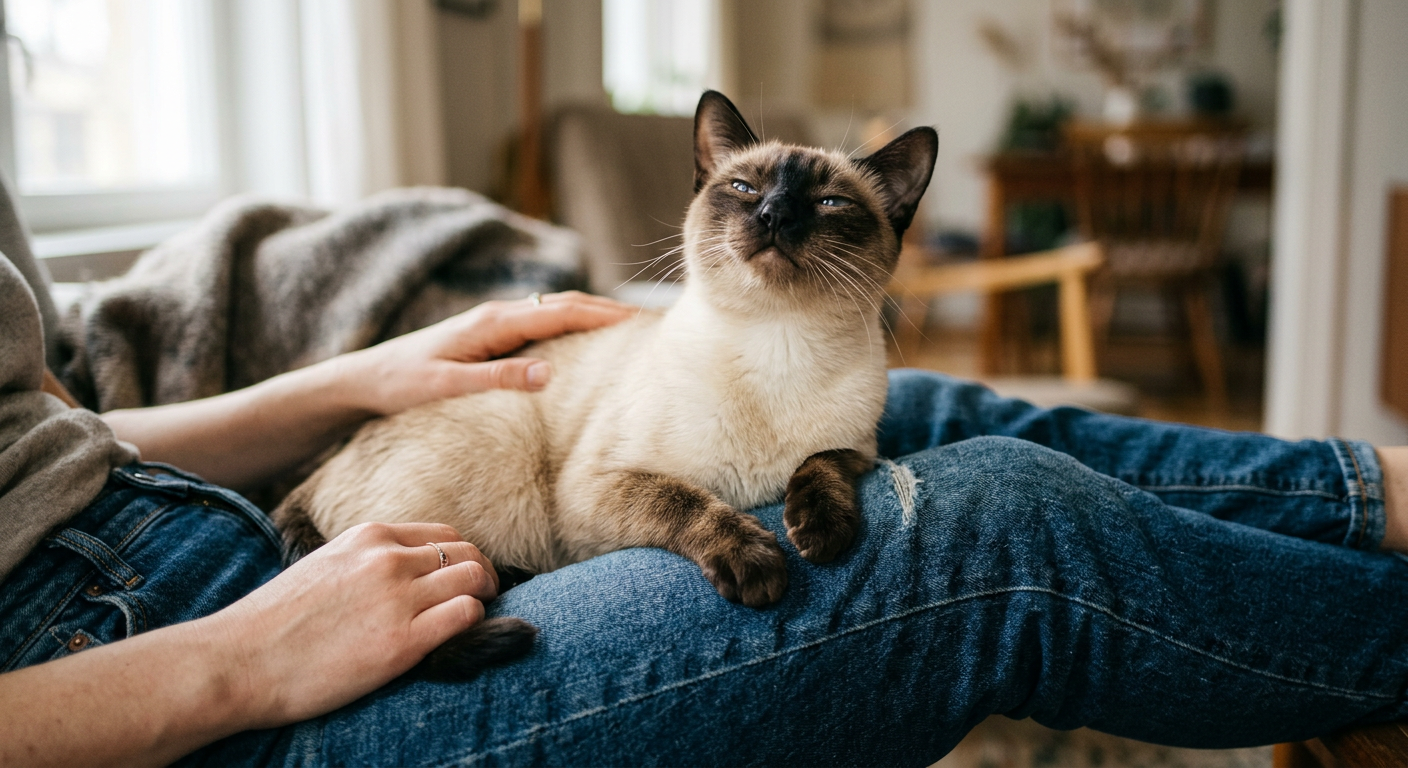
While the physical roots are biological, the emotional reasons for feline kneading are quite diverse. For many cats, this is a primary way to show affection. If your cat chooses to knead on your lap, they are essentially marking you as a "safe zone." It is a display of trust that mirrors the the meaning behind slow blinks, which is another sign of feline relaxation.
Common reasons for this behavior include:
- Marking Territory: Cats have scent glands located in the pads of their paws. When they knead, they release pheromones that mark the object (or person) as their own.
- Stretching: Sometimes, a good knead is just a way for a cat to work out the kinks after a long nap. It allows them to stretch their shoulders and paws simultaneously.
- Going into Heat: Female cats that have not been spayed may knead more frequently as a way to signal to potential mates that they are ready to breed.
- Self-Soothing: If a cat is feeling slightly anxious, the repetitive motion can help them calm down and find their center again.
Understanding Cat Kneading Behavior and Physical Health
Most of the time, this rhythmic pawing is a sign of a happy, healthy cat. However, observing changes in how or when your cat performs this ritual can offer insights into their wellness. For example, a senior cat who suddenly stops kneading might be experiencing joint discomfort or arthritis. In the same way you might use a Maine Coon age calculator to understand your pet's life stage, observing physical habits helps track their aging process.
If you notice your cat seems to be kneading excessively or if the behavior is accompanied by crying or hiding, it is a good idea to consult your veterinarian. While usually a sign of contentment, any major shift in regular habits is worth a professional check-up to ensure your feline friend feels their best.
Senior Cats and Mobility
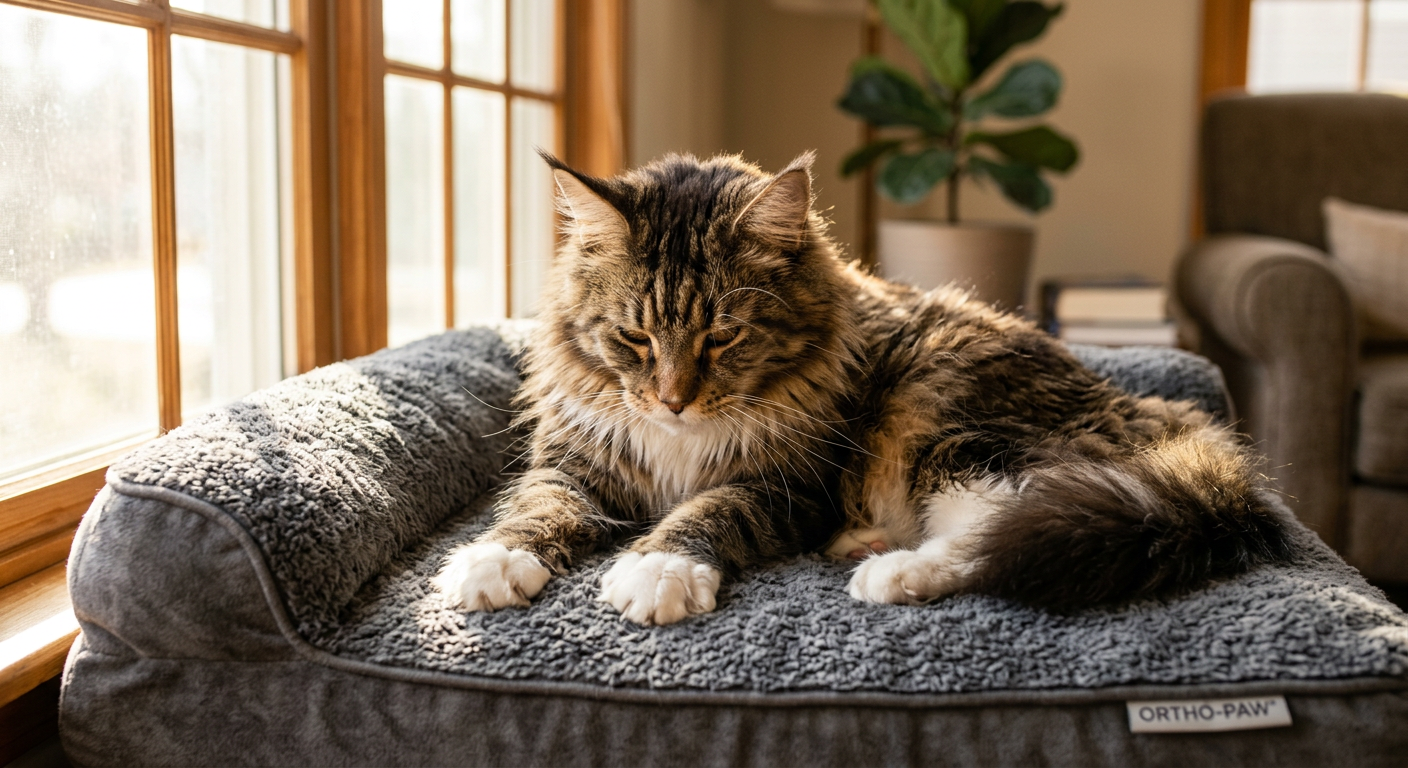
As cats enter their golden years, the physical act of "making biscuits" can become more taxing. You may see a cat start the motion but stop quickly, or they may only use one paw. Providing extra-soft orthopedic bedding can help support their joints during these instinctive moments, ensuring they can still enjoy their favorite rituals without strain.
How to Manage Sharp Claws During Social Kneading
The most common complaint from owners regarding this behavior is the "pain factor." Because cats are often in a state of deep relaxation when they knead, they may forget to keep their claws retracted. This can result in some unintentional scratches on your legs or pulled threads in your favorite blankets. Understanding cat kneading behavior means finding a balance between their instinct and your comfort.
You should never punish a cat for kneading. Since it is an act of love and instinct, a negative reaction can confuse them and damage your bond. Instead, try these proactive strategies:
- Keep Claws Trimmed: Regular nail trims are the most effective way to prevent discomfort. If you aren't comfortable doing it yourself, most groomers or vets offer this service.
- Use a "Kneading Blanket": Keep a specific, thick fleece blanket nearby. When your cat starts to paw at you, gently slide the blanket between your lap and their paws.
- Positive Redirection: If the claws are too much to handle, gently pet them and move them to a nearby cushion where they can continue their work comfortably.
The Different Styles of Feline Kneading
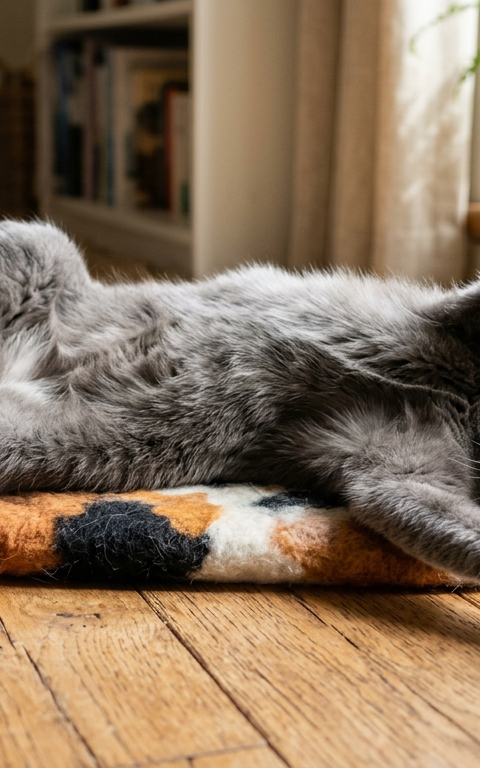
Every cat has their own unique "biscuit-making" style. Some cats are very intense, with their eyes closed and a loud purr vibrating through their chest. Others might be "air kneaders," lying on their backs and pawing at the air while you talk to them. These variations are just part of their individual personality.
Large breeds, like the British Shorthair, might have a slower, more deliberate kneading style compared to the quick, energetic motions of a smaller cat. If you are interested in how different breeds compare in personality and habits, you might explore the British Shorthair vs Poodle comparison to see how feline traits differ from canine ones. Regardless of the style, the message is usually the same: "I am happy here."
Air Kneading and Nursing Behaviors
Some cats take the behavior a step further by "wool sucking" or suckling on the fabric they are kneading. This is particularly common in cats that were weaned from their mothers a bit too early. While it might seem odd, it is generally harmless. It provides the cat with an even deeper level of comfort and security during their relaxation time.
Conclusion
At its heart, understanding cat kneading behavior is about recognizing the deep emotional bond between you and your pet. Whether they are preparing a spot to sleep or showing you how much they trust you, those repetitive paw movements are a beautiful vestige of kittenhood. By providing soft surfaces and keeping their nails trimmed, you can enjoy these moments of feline affection to the fullest.
Your cat's "biscuits" are a genuine compliment and a sign that you have created a home where they feel truly safe. The next time your cat starts pawing at your lap, take it as a moment to slow down, share some affection, and appreciate the special connection you share with your feline companion. It is one of the many ways that cats make our lives a little bit warmer.