Bringing a new feline friend into your home is an exciting milestone, but the process of bonding with a shy or rescue cat requires a unique blend of patience, empathy, and observation. Unlike outgoing kittens that might jump into your lap immediately, a rescue cat often arrives with a history that dictates a more cautious approach. Understanding their perspective is the first step toward building a lifelong friendship.
Every cat has a distinct personality shaped by genetics and past experiences. While some adjust to new environments within days, others may take weeks or even months to feel truly secure. By focusing on gentle interactions and respecting their boundaries, you can create a foundation of trust that allows their true personality to shine through eventually.
Creating a Safe Sanctuary Space
The journey of bonding with a shy or rescue cat begins before the cat even enters your home. Preparation is key to helping a nervous animal feel in control of their environment. Instead of giving a shy cat full run of the house, start them in a "sanctuary room"—a small, quiet space like a spare bedroom or a large bathroom.
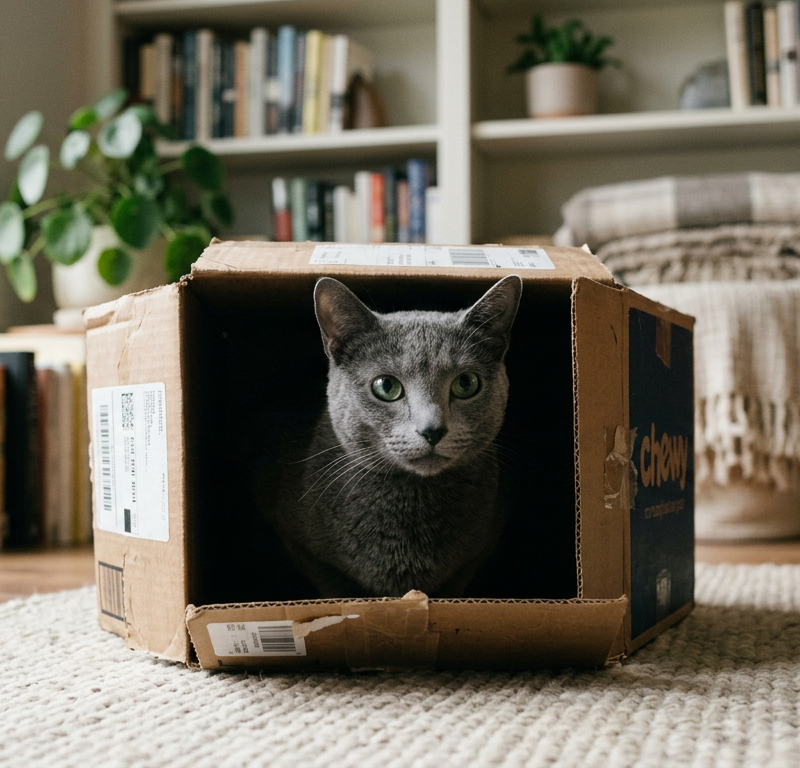
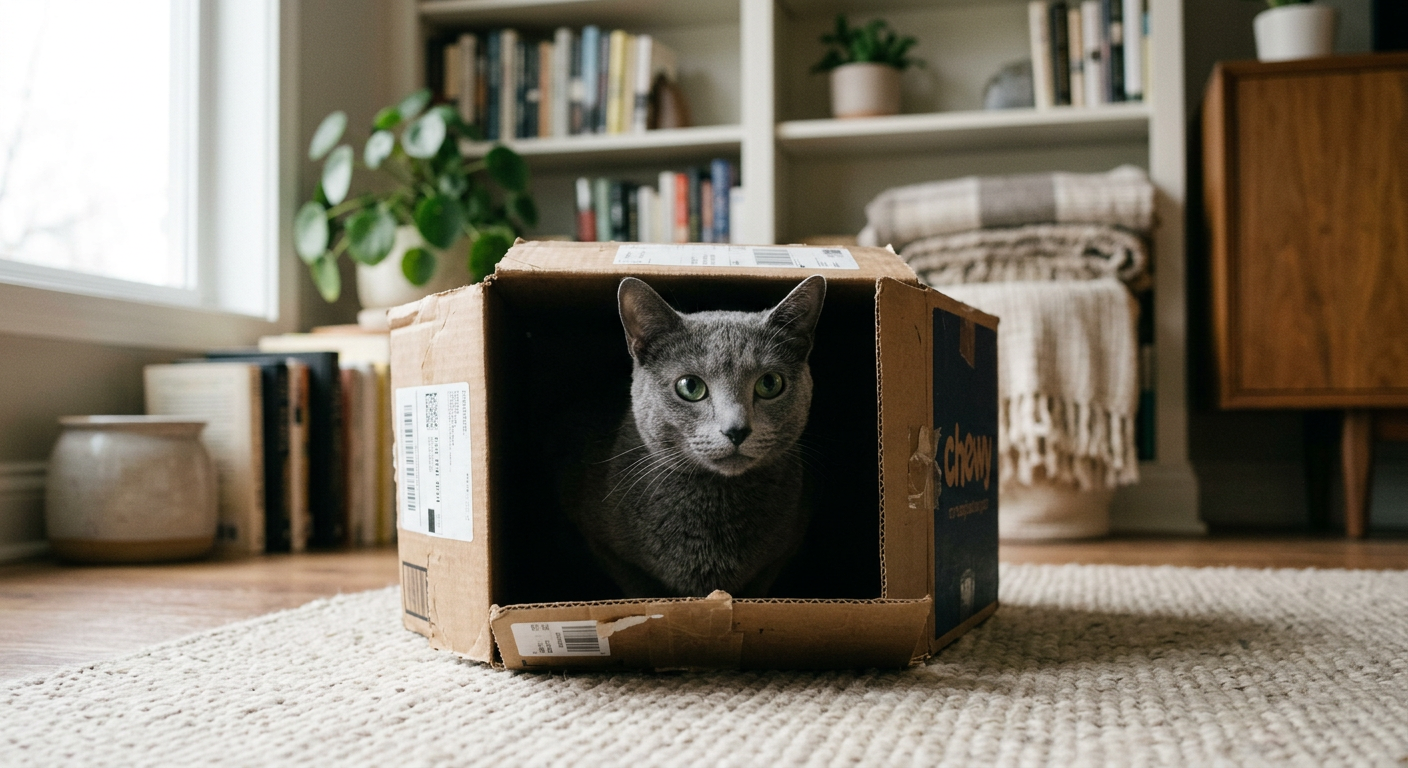
This room should contain all their cat care essentials, including food, water, a comfortable bed, and a litter box. Providing hiding spots is crucial; a cardboard box with a hole cut out or a cat tree with a cubby allows them to observe the world while feeling protected. When a cat feels they have a safe place to retreat, they are actually more likely to venture out sooner.
The Importance of Vertical Space
Cats are three-dimensional thinkers. For a rescue cat, being high up provides a sense of security because they can survey the room for potential "threats" without being easily reached. Consider adding wall shelves or clear window perches to your sanctuary room. This elevation helps reduce stress and encourages the cat to occupy the room more confidently.
Managing Environmental Noise
Shy cats are often hypersensitive to sound. During the initial bonding phase, try to keep the household volume low. Avoid loud music, vacuuming near their room, or hosting large gatherings. Soft, repetitive sounds, such as classical music or calming feline pheromone diffusers, can help take the edge off their anxiety and make the environment feel more welcoming.
Mastering the Art of Passive Interaction
One of the biggest mistakes well-meaning owners make is trying to force affection. With a timid feline, the most effective way to bond is often by doing nothing at all. Spend time in their room simply existing in their space without looking at them or trying to touch them. This is known as "passive socializing."
Bring a book or a laptop and sit on the floor at a distance. Occasionally talk to them in a soft, melodic voice so they become accustomed to your scent and sound. By not demanding their attention, you show them that you are not a threat. Over time, their curiosity will outweigh their fear, and they may begin to approach you for a sniff.
Reading Feline Body Language
To succeed in bonding with a shy or rescue cat, you must become a student of their non-verbal communication. Cats speak volumes with their ears, tails, and eyes. Understanding these subtle cues helps you know when to lean in and when to give them space. If you notice a cat's ears are pinned back or their tail is twitching rapidly, it is a sign they are feeling overwhelmed.
- Slow Blinks: In the cat world, closing one's eyes is a sign of extreme trust. If you catch your cat looking at you, try blinking very slowly. This "cat kiss" signals that you are friendly.
- The Sniff Test: When your cat approaches, offer a stationary finger at their nose level. Let them come to you to investigate your scent rather than reaching over their head.
- Exposed Belly: While often mistaken for an invitation for a tummy rub, an exposed belly is usually just a sign that the cat feels relaxed in your presence.

Recognizing Stress Signals
A rescue cat might exhibit "freezing" behavior where they stay perfectly still, hoping to go unnoticed. While it might look like they are being "good," they are actually quite fearful. If their pupils are fully dilated and they are crouched low to the ground, they need more quiet time. Consistent observation ensures you never push them past their comfort threshold.
The Power of Positive Reinforcement
Food is a universal language and a powerful tool for building trust. Associating your presence with high-value treats can speed up the bonding process significantly. Find out what your cat loves—whether it is small pieces of plain cooked chicken, specialized cat treats, or "lickable" treat tubes.
Start by tossing a treat toward the cat while you are sitting in the room. Gradually, place the treats closer to you until they are comfortable eating near your feet. This creates a "positive association" where the cat learns that your arrival means something wonderful is about to happen. Eventually, you can transition to hand-feeding treats to solidify that physical connection.
Play Therapy for Confidence
Interactive play is an excellent way to help a shy cat build confidence. Use "fishing pole" style toys that allow the cat to engage in their natural hunting instincts from a safe distance. Success in "catching" the toy releases dopamine and helps the cat feel more at home in their skin. It also focuses their energy on a task rather than their anxiety.
Handling Early Physical Contact
The first time you pet your rescue cat is a major milestone, but it should be on their terms. Wait until the cat is actively seeking your attention by rubbing their cheeks against your hand or legs (scent marking). Start with gentle scratches around the chin and ears—areas where cats naturally have scent glands and enjoy being touched.
Avoid the "full-body stroke" or touching their paws and tail until you have a deep level of trust. Keep initial petting sessions very short, ending the interaction while the cat still wants more. This leaves them with a positive memory of the touch and makes them more likely to seek it out again later.
If you are considering adding another pet to your home later, it is helpful to understand breed temperaments. For example, you can see how different breeds compare in personality by checking out the French Bulldog vs Poodle guide, which highlights how some animals are naturally more outgoing than others, much like cats.

Managing Expectations and Timelines
Growth is rarely a straight line when bonding with a shy or rescue cat. You might have three great days followed by a day where the cat hides under the bed all afternoon. This is normal and usually isn't a reflection of your efforts. External factors like a loud truck outside or a change in the weather can sometimes trigger a temporary setback.
Celebrate the small victories. The first time they purr, the first time they eat in front of you, or the first time they sleep out in the open are all significant markers of progress. Patience is your most valuable asset during this transition. If you are curious about how your cat's development compares to other breeds, such as a Maine Coon, keeping track of their age and life stage can provide helpful context for their behavior.
When to Consult a Professional
While most shy cats will eventually come around with time and love, some may require extra support. If your cat remains completely hidden for more than a week, refuses to eat, or shows signs of extreme distress (such as excessive grooming or litter box avoidance), it is important to consult a veterinarian. They can rule out underlying medical issues that might be contributing to the cat's fear.
A veterinarian might also recommend feline behaviorists or calming supplements to help take some of the pressure off your new pet. Proactive wellness care ensures that your cat is physically comfortable, which is a prerequisite for emotional health. Remember, providing a stable, loving home is the greatest gift you can give a rescue animal.
Conclusion
Bonding with a shy or rescue cat is one of the most rewarding experiences a pet owner can have. It requires us to slow down, listen to a language without words, and offer unconditional support. By creating a safe environment and respecting their pace, you are showing them that the world can be a safe and loving place.
As the weeks pass, that hidden cat will begin to blossom. The moment they finally choose to curl up next to you on the sofa is a profound testament to the trust you have built together. With patience and consistency, your rescue kitty will soon become a confident and cherished member of your family.